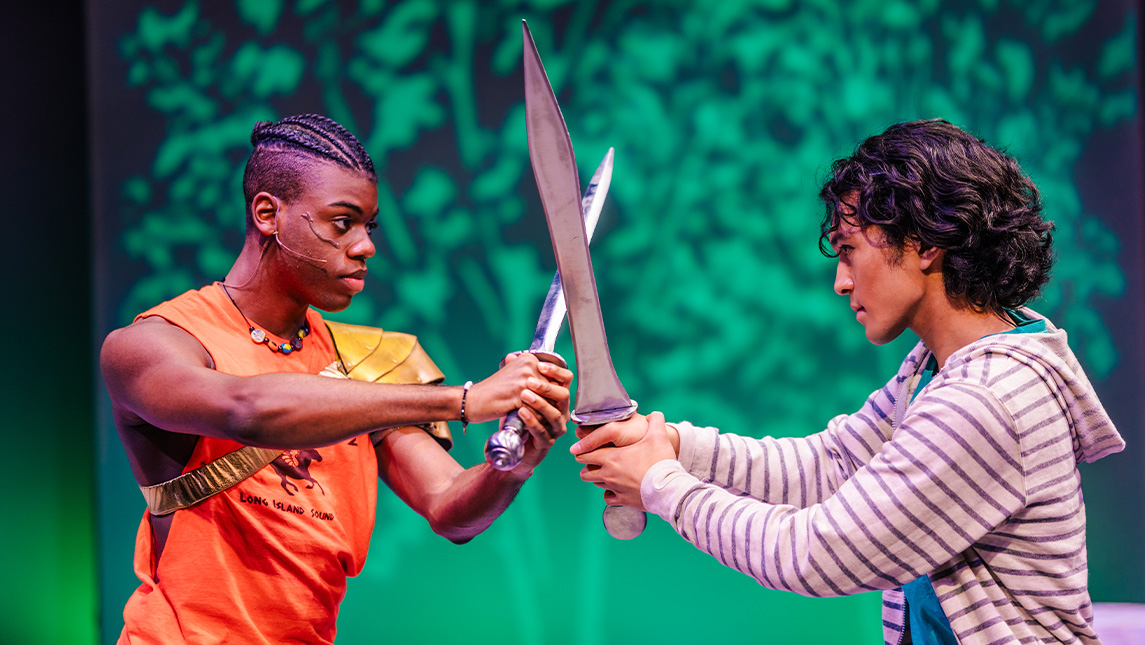
UNC Greensboro students are getting the opportunity to put their work and the stories of the African American community center stage at the Amplify Black Voices Theatre Festival.
The festival, held on April 26 and 27 at the International Civil Rights Museum in Greensboro will feature four plays by North Carolina student playwrights: two from UNCG’s College of Visual and Performing Arts: Keshia McLeod will be presenting her original play “The Invisible Orchids” and Jamaas Britton will present his play “Emasculated.”
“This is my first play that will be performed in public,” says Britton, who is working toward a masters of fine arts in drama. “I’m honored to be able to be a part of something like this this.”
STORIES UNHEARD
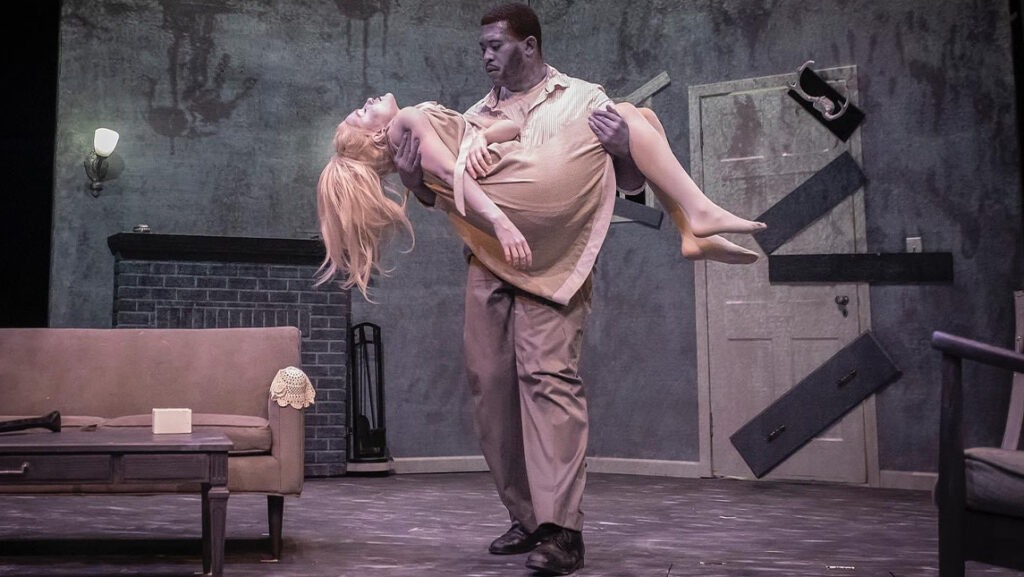
Britton was chosen for his original play titled “Emasculated,” it focuses on two couples and the issues men may face in a specific relationship dynamic.
“It comes together to show the Black-male perspective,” he says. “It shows how men and women need each other and it’s shining light on this particular message and also spreading love.”
The Amplify Black Voices Theatre Festival that began in 2022 is hosted by the Greater Greensboro Theater Consortium, which was founded in 2020 following the murder of George Floyd. The festival aims to bring to light the ability of theatre to bridge differences, spark dialogue, and give voice to stories that often go unheard. The festival brings together six local college theatre departments, and the cast and crew are blended from the six programs.
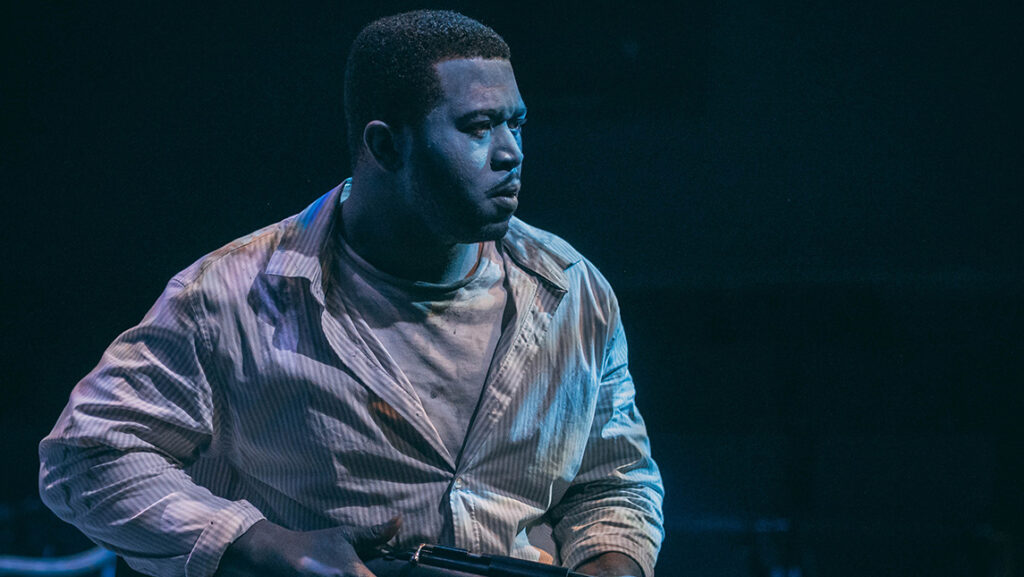
“I’ve heard there were times when people really had to fight for this kind of exposure,” says Britton. “So, this opportunity for someone that looks like me is amazing. It’s a great way to celebrate how I look, how other people look, and to share experiences with a diverse audience.”
Britton chose UNCG’s School of Theatre for its focus on diversity and inclusion.
“Historically in theatre, individuals that look like me didn’t have as many opportunities to share their stories on a wider platform,” he says. “But UNCG’s program allows students that look different or identify as something other than the norm has been great to see. It’s very important to have diversity in theatre because you get the opportunity to hear and tell other peoples’ stories that you might not know personally.”
ALUMNI ADVICE
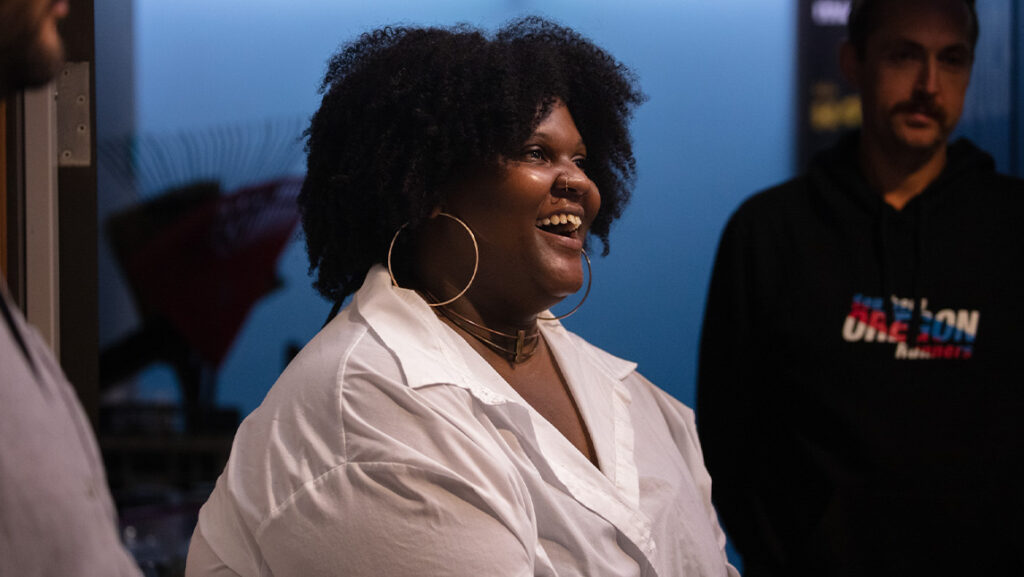
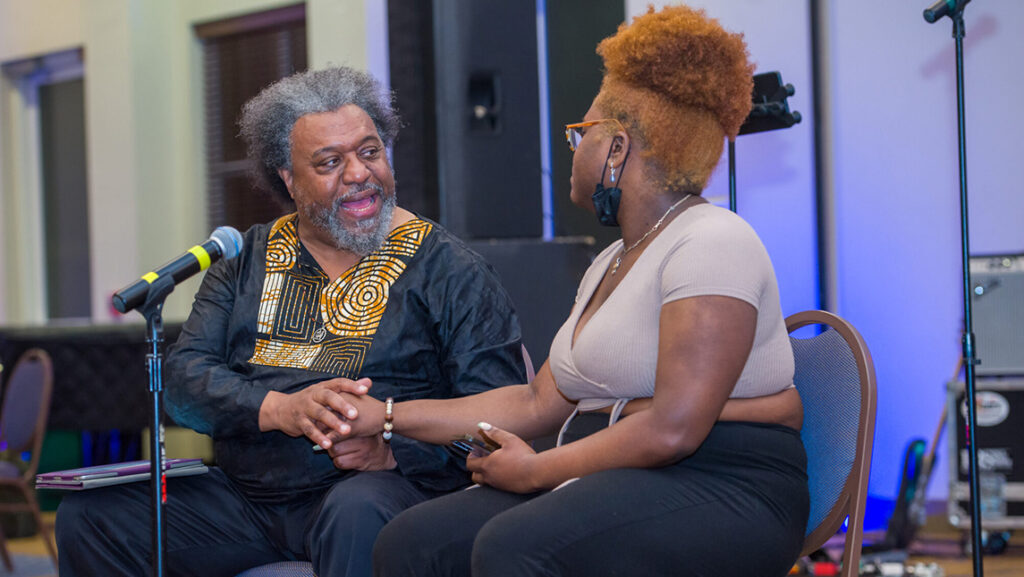
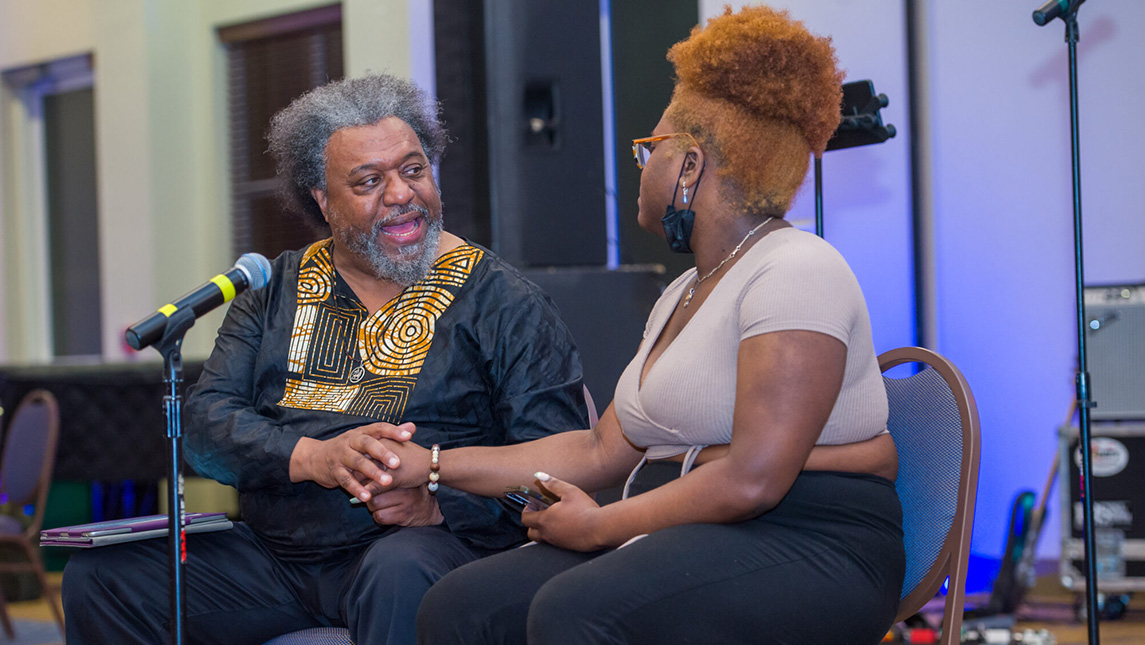
Kamilah Bush ’15, a selected playwright from the 2022 festival and UNCG alumna, has been mentoring the students on their work. She came to Greensboro in February to lead a workshop as they were putting their stories together.
Bush transferred to UNCG from another institution and says coming to the University saved her life.
“I’m still friends with many of the people I went to school with, and I collaborate with those people,” says Bush, who earned a bachelor of fine arts in drama, theatre education from UNCG. “I wouldn’t have traded the education I received for anything.”
She is now the literary manager for Portland Center Stage at The Armory in Portland, Oregon and says her degree is useful every day.
“UNCG’s theatre program is the reason I’m so good at what I do,” she says. “When I’m in rehearsal, when I’m in tech, when I’m in design meetings, I have all of the language and the knowledge that I need to communicate with people outside of my discipline in a way that some other specialized student might not.”
CELEBRATING BLACK TALENT
Seeing the student’s work and collaboration is exciting for Bush and she also says it’s beneficial for students as they study theatre.
“I’m always excited about new work,” says Bush, “The only way our art survives is through new work. It’s important for these students to have this experience because it’s rare thing to get at this stage in their career.”
When Bush presented her play at the 2022 festival, it was the first time she’d seen her work performed in its totality.
“Greensboro has a wealth of Black talent, and I was one of those kids at some point. It’s beautiful that there’s finally a chance for those voices to not only get out but be shouted out and celebrated in such a big and impactful way,” she says.
Each evening will feature two of the four plays starting at 7:00 p.m. Tickets are available here and are $10 for a 1-day pass and $15 for pre-purchase of a 2-day pass. Students can attend at no cost.
Story by Avery Craine Powell, University Communications
Photography by Sean Norona, University Communications
Additional photography courtesy of Kamilah Bush and the Greater Greensboro Theatre Consortium