


The Masters of Science (M.S.) program prepares students with a high level of evidence-based, ethical, and culturally responsive skill sets to serve clients. The School Counseling concentration prepares them to attend to the academic, career, personal, social development of students in K-12 settings.
All of the Department of Counseling and Educational Development’s (CED) programs are CACREP accredited and held in person on the UNCG main campus. Its curriculum centers around evidence-based, ethical, and culturally responsive skills. Through coursework and supervised clinical training, students learn how to work with both children and adolescents. They will graduate ready to respond to common challenges faced in learning environments and to guide students in making meaningful, beneficial decisions. They will be competent in serving a multicultural student population.
master’s in counseling, school counseling Program Distinctions
Within North Carolina, CED is rated as the top graduate counseling program and comes in fourth nationally in U.S. News & World Report rankings. The program has been rated among the top 15 in the country for more than three decades.
Master’s students in the counseling programs receive intensive clinical supervision while they develop their skills in clinical practicum and internships.
The Nicholas Vacc Counseling and Consulting Clinic, an in-house training clinic, gives students the practical experiences of working with clients. The Vacc Clinic provides high-quality affordable assessment services to the Greensboro community. In the meantime, students gain real-world assessment experience and ongoing professional learning via supervised practice.
CED includes a variety of professional development programs for a reasonable fee. These ensure professionals stay up-to-date with current trends and emerging research in the area of counseling and mental health.
- Adopting a Trauma-Informed Lens in Supervision
- Approved Clinical Supervisor Training
- Motivational Interviewing Strategies in Clinical Supervision
- Broaching Multicultural and Identity Issues in Clinical Supervision
- Trauma-Informed Professional Practice (TIPP) Certificate Training Program
- TIPP Certificate Training Program for Educators (K–12)
- Using Interpersonal Process Recall in Clinical Supervision to Enhance Supervisees’ Multicultural Awareness
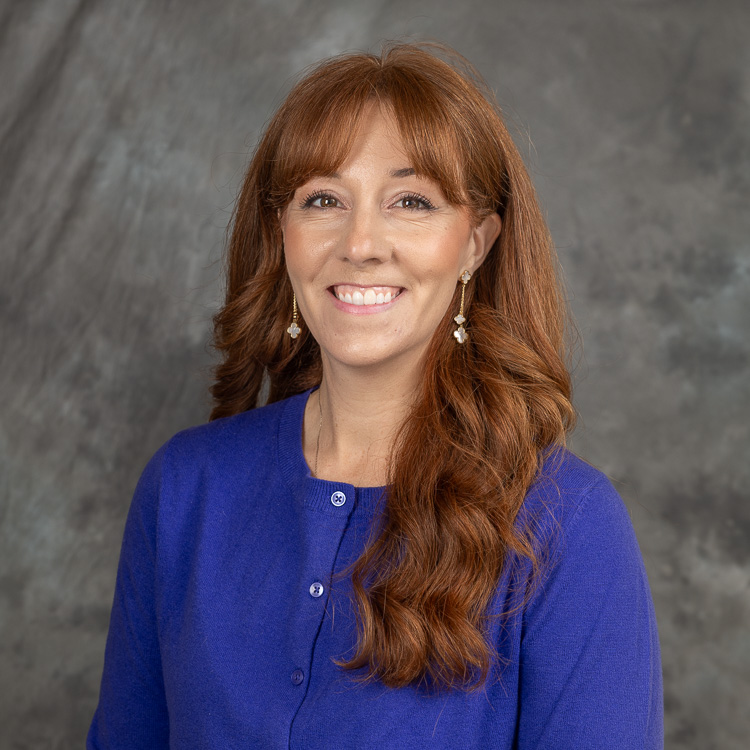
“The more I learned about UNCG as a University, the community engagement element was really appealing to me.”
–Dr. Jennifer Niles, assistant professor of counseling and educational development
The Master’s in school counseling Student Experience
UNC Greensboro’s School Counseling track builds counseling and leadership skills. Beginning in the first semester, students engage in hands-on practical experiences with almost every content class. They learn about school systems and the needs of Kindergarten–12-aged students.
Topics of discussion include:
- Counseling diverse populations
- Trauma and crisis in counseling
- Counseling children and adolescents
- Career counseling
- Implementing and evaluating school programs
They work directly with clients under clinical supervision in the Nicholas A. Vacc Counseling and Consulting Clinic. A 600-hour internship at a local school matches them with a grade level (elementary, middle, or high school) befitting their career goals. There, they learn how to utilize data an innovative problem solving to establish a comprehensive school counseling program.
Each year, approximately 32-38 master’s students are recommended for admission into the full-time/day-time counseling program by an Admissions Committee, which consists of program faculty.
All CED programs are full-time with courses offered predominantly during the day between 9 a.m. to 5 p.m.

“I hope my legacy will be that I led students, as well as other school counselors, to the pinnacle of their motivation so they, in turn, could positively influence the communities around them.”
–Sweety Patel ’06, MS in Counseling and Educational Development
Applying to the master’s in counseling, couple and family counseling program
The deadline to apply for the master’s program is Nov. 15. Admission is for the fall semester only. Applications not completed by the respective deadlines will not be reviewed. Applicants should contact the Graduate School to confirm they received all required information.
Application criteria for application for master’s program
- A complete online graduate school application.
- Two professional letters of recommendation for master’s students (at least one of which should be an academic reference).
- Resume or curriculum vitae detailing work experience, volunteer experience, and research background.
- Three written statements in 12-point font and double-spaced:
- Experience and background
- Ethical decision making
- Personal statement.
- Undergraduate and, if applicable, graduate transcripts.
- If your undergraduate GPA was a 2.75 or below, please complete a statement that contextualizes your earlier academic performance. Explain how you are now prepared to be successful in a graduate program.
*Please note: GRE scores are not required for application to the master’s program.
Experience and background Statement (2 pages)
Reflect on your developmental history, personal experiences, and background. Consider how these shaped you into the person you are today. Please describe how your background will impact your effectiveness with clients, both in terms of your strengths and limitations.
Ethical Decision Making Statement (2 pages)
The American Counseling Association’s Code of Ethics states “Counselors refrain from referring prospective and current clients based solely on the counselor’s personally held values, attitudes, beliefs, and behaviors. Counselors respect the diversity of clients and seek training in areas in which they are at risk of imposing their values onto clients, especially when the counselor’s values are inconsistent with the client’s goals or are discriminatory in nature.”
This statement points to the idea that counselors are expected to provide services to individuals from all backgrounds regardless of race, color, sex, national origin, age, and religion. How are you prepared to meet this ethical standard by thinking through complex issues that may arise, particularly with individuals who represent backgrounds or perspectives that differ from your own?
Personal Statement (2 pages)
Describe your interest in pursuing a master’s degree in counseling and your post-graduation aspirations. Discuss what you believe positions you to function successfully as a professional counselor. Explain how you came to the decision to pursue graduate training in a helping profession, along with other information that helps to describe you.
Reference Letters
Submit two professional references from people whom you have worked with in a workplace or educational context (e.g., instructor, adviser). These individuals should be able to describe you as a worker or learner. They should know you well enough to discuss your potential for success in a graduate program in counseling.
Transcripts
Applicants may upload official transcripts issued by their institution’s Registrar’s Office onto their online application. Or they may order official transcripts to be mailed to the Graduate School at the following address:
The Graduate School
The University of North Carolina at Greensboro
241 Mossman Building
1202 Spring Garden Street
Greensboro, NC 27412
Applying Online for the Couples and Family Counseling Track
The CED graduate program use a completely electronic application process. All applicants should include the following supplemental documents as attachments to their online application:
- Personal Statement
- Experiences and Background
- Ethical Decision Making
- Resume or Curriculum Vitae
Timeline and Interviews
UNC Greensboro’s admissions committee will begin reviewing applications after the application deadline.
- They will invite selected applicants for an interview early in the spring semester. Participation in the interview process is mandatory for selected students.
- Applicants typically get notified of their admission status within two to four weeks of all interviews being completed.
- Typically, students receive notification no later than April 15.
After Graduating with your master’s degree in school counseling
Graduates of the program are well prepared to serve as school counselors in elementary, middle, and high school settings working with students around mental health, behavioral, and academic concerns. You can also work in alternative schools or group home settings.
The U.S. Department of Education requires that all higher education institutions advise students as to whether their curriculum provides them with the eligibility to apply for a professional license and/or certification in the state for which they plan to practice. As such, please review UNC Greensboro’s status by state for the initial teaching license. You should note whether the program either “meets”, “does not meet”, or if there “has not been a determination” of the program’s status in the state for which you plan to practice.
Review the Licensure Reciprocity Information. Search “By Program” and enter “Counseling, MS, School Counseling Concentration.”
Program Details
Degree Type: Master's
College/School: School of Education
Program Type: Majors & Concentrations
Class Type: In Person
Catalog Name: Counseling, M.S. School Counseling Concentration
Similar Degree Offerings
Contact Us
CED Admissions Staff
ced@uncg.edu
336.334.3434

Scott Young
Chair of the Master’s Admissions Committee
jsyoung3@uncg.edu