

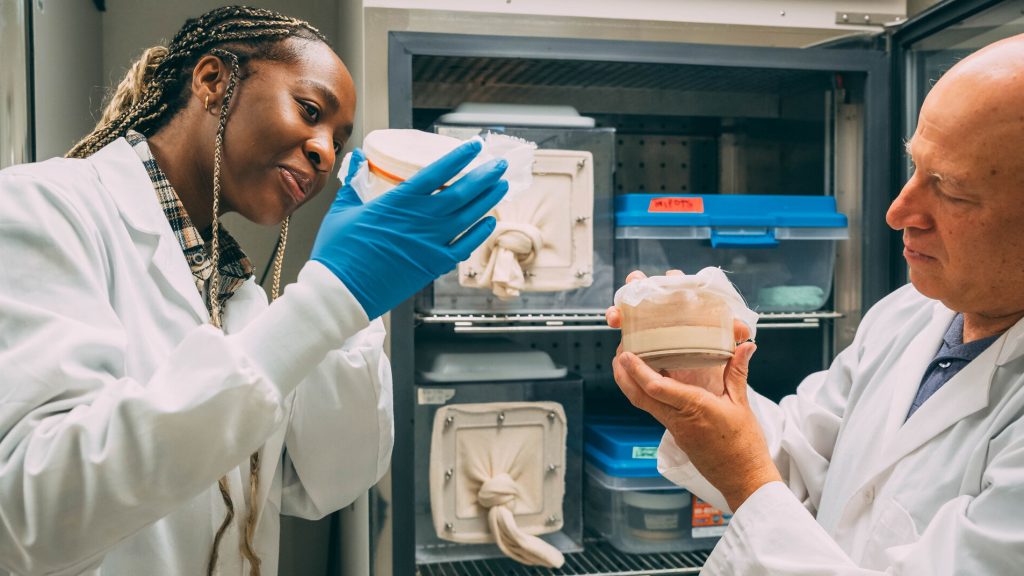
Wasserberg Awarded $3.7 Million for Sand Fly Research to Combat Parasitic Disease
With NIH funding, UNCG-led team will determine how to attract and kill egg-bearing P. papatasi sand flies, to combat leishmaniasis.
With NIH funding, UNCG-led team will determine how to attract and kill egg-bearing P. papatasi sand flies, to combat leishmaniasis.
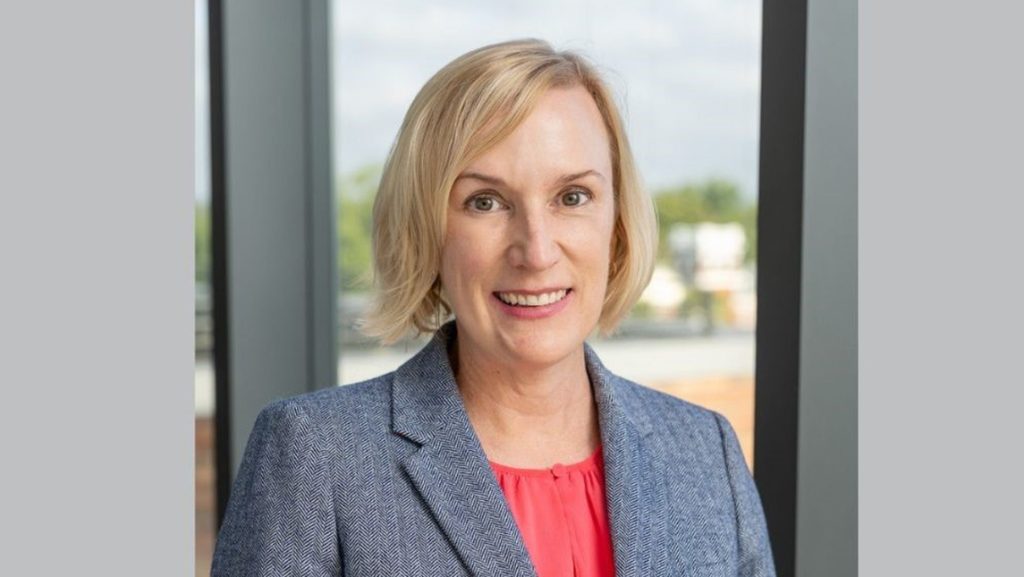
With more than 20 years of experience in HIV/AIDS research and a strong commitment to public health, Kate Clouse, Ph.D., aims to expand the the School of Nursing’s research portfolio and address urgent health challenges to improve all communities.
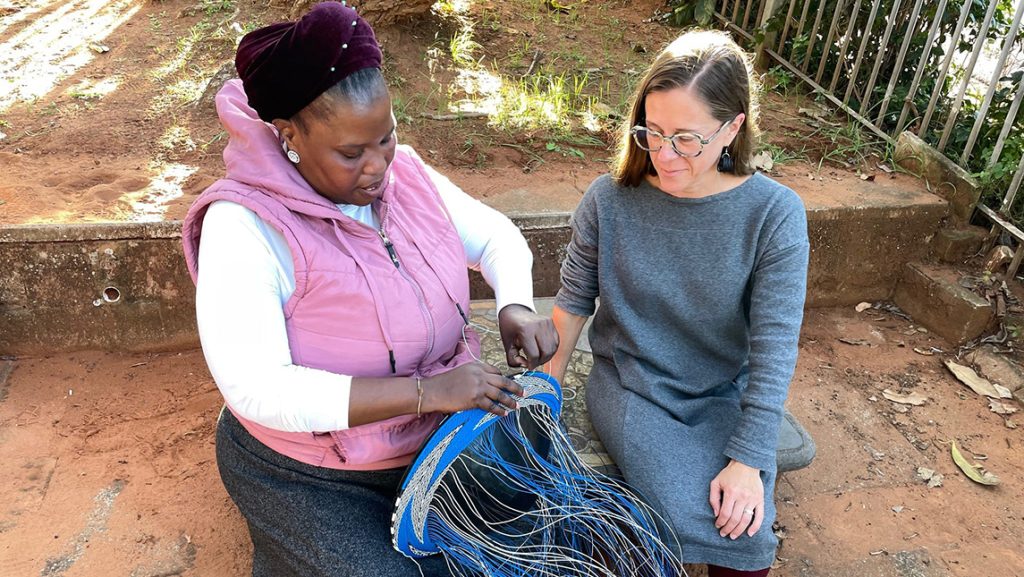
UNCG’s Smart-Tillman Distinguished Professor of Art History explores the cultural background of telephone wire weaving. For her doctoral research, Elizabeth Perrill, Ph.D., collaborated with South African artists to help preserve and elevate the art form on a global scale.

A new study led by Dr. Dora Gicheva found first-year female college students are experiencing slower academic recovery from the COVID-19 pandemic compared to males.

UNCG mobilizes a new research institute, iCOMMAND, for military advances, defense, and veteran student well-being.

Bethany Allen, a community and therapeutic recreation major, wanted to introduce elementary students to the role of a recreational therapist. Through the teamwork and communication exercises she formed, students became more engaged in the topic and showed increased interest in college.

In this issue, follow UNCG researchers’ search for cancer-killing compounds found in fungi. Explore innovative, immersive tools transforming the arts. Learn about new initiatives positioning N.C. as a center for military defense, battery, and energy tech. These are just some of the ways you’ll see we’re improving the health and safety of our communities.

Debra J. Barksdale, Ph.D., began her term as president of the American Academy of Nursing on Oct. 18. Under her leadership, UNCG’s School of Nursing has expanded research capacity, doubled enrollment, and sharpened its focus on health disparity in vulnerable populations.

URSCO Director Mitch Croatt discusses the world of opportunities that open up to students who engage in undergraduate research and shares a list of new workshops for them to learn more.

The findings of Associate Professor Maryanne Perrin regarding the timing and nutritional content of donor milk by country could help hospitals improve care for babies born preterm.