


The Bachelor’s in Interpreting, Deaf Education, and Advocacy Services (IDEAS) in Advocacy and Services for the Deaf prepares students to become effective advocates, service providers, and allies for Deaf, Hard of Hearing, and DeafBlind individuals through a unique combination of language acquisition, cultural competency, community engagement, and professional preparation. Rather than focusing solely on communication skills or disability services, the program emphasizes understanding Deaf culture, and promoting accessibility across a variety of settings.
Bachelor’s in Advocacy and Services for the Deaf Program Distinctions
One of just two advocacy-specific undergraduate programs in the United States, the Advocacy and Services program has long-standing connections with Deaf communities throughout North Carolina. The program benefits from established expertise, experienced faculty, community partnerships, and a strong network of alumni working in advocacy professions. This concentration prepares students to meet the communication, educational, and human services needs of individuals from kindergarten through adulthood who are deaf or hard of hearing.
UNCG’s Advocacy and Services for the Deaf concentration is accredited/affiliated with the National Council for Accreditation of Teacher Education and the North Carolina Department of Public Instruction.
The Student Experience in the B.S. in Advocacy and Services for the Deaf
Students in the Bachelor’s in Advocacy and Services track will be able to complete fieldwork and internships with schools, heathcare, government, and nonprofit organization. This program provides students the opportunity to develop proficiency in American Sign Language (ASL) and gain a deeper understanding of Deaf culture and Deaf community perspectives. The curriculum emphasizes language acquisition, communication, and service delivery and allows students to learn how to identify barriers to participation.
UNCG has an ASL Lab located within the School of Education that IDEAS students can utilize. Students are also encouraged to participate in research opportunities with faculty members and doctoral students, study abroad, and attend conferences and professional develop experiences.
If you have completed an AAS degree, your credits will transfer on a course-by-course basis unless your degree is covered by a specific 2Plus program.
Applying to the Bachelor’s in Advocacy and Services for the Deaf Concentration
Upon Graduating with An Advocacy and Services for the Deaf degree
People in the position of advocate help members of the deaf community to be aware of their rights regardless of their hearing ability and how the Americans with Disabilities Act and other laws allow them to self advocate. Graduates of the program work in public schools, with federal and state agencies, in human services, and with nonprofit organizations.
Career paths include:
- Deaf Services Specialist
- Vocational Rehabilitation Counselor
- Disability Services Coordinator
- Community Advocate
- Parent Educator
- Job Placement Specialist
- Independent Living Counselor
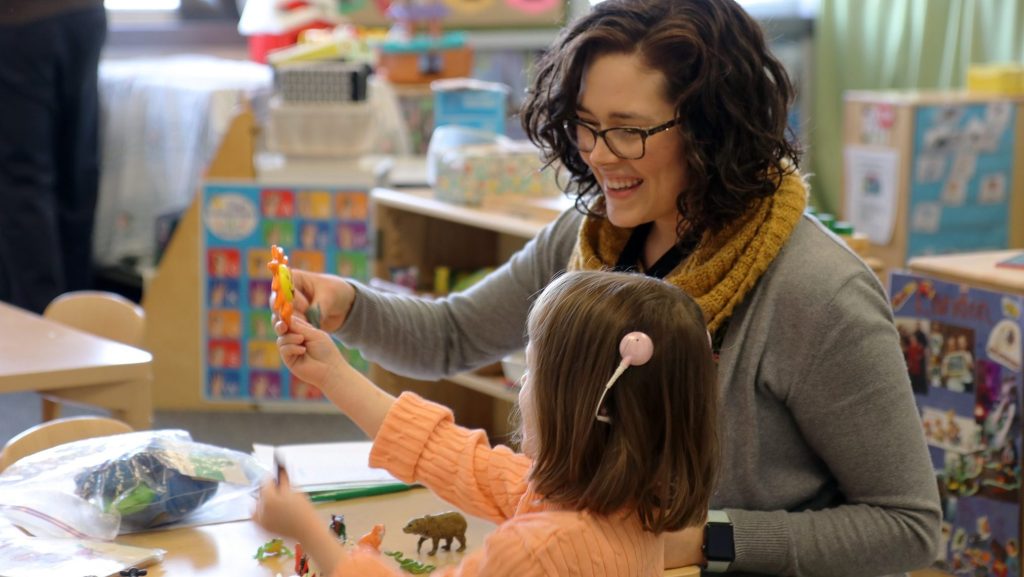
“The best part of the job is coaching, working with teachers who are working with groups of students and trying to improve their skill set. I teach them the pedagogy of deaf education that they maybe didn’t get in undergrad or graduate study.”
– Virginia Madorin ’11, Office of Exceptional Children and co-director of the North Carolina DeafBlind Project
Advocacy and Services for the Deaf FAQs
Program Details
Degree Type: Bachelor's
College/School: School of Education
Program Type: Majors & Concentrations
Class Type: In Person
Catalog Name: Interpreting, Deaf Education and Advocacy Services, B.S. Advocacy and Services for the Deaf Concentration
Learn More About the Interpreting, Deaf Education, and Advocacy Services (IDEAS) Programs
View UNCG CatalogSimilar Degree Offerings
Contact Us
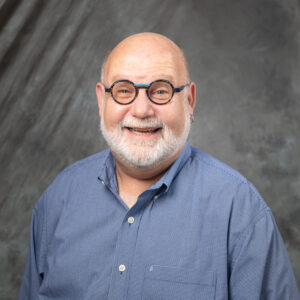
Samuel Parker, MFA, CSC, ASLTA
Interpreting, Deaf Education, and Advocacy Services (IDEAS)
336.256.1217 (voice)
336.543.2139 (video phone)
sdparker@uncg.edu