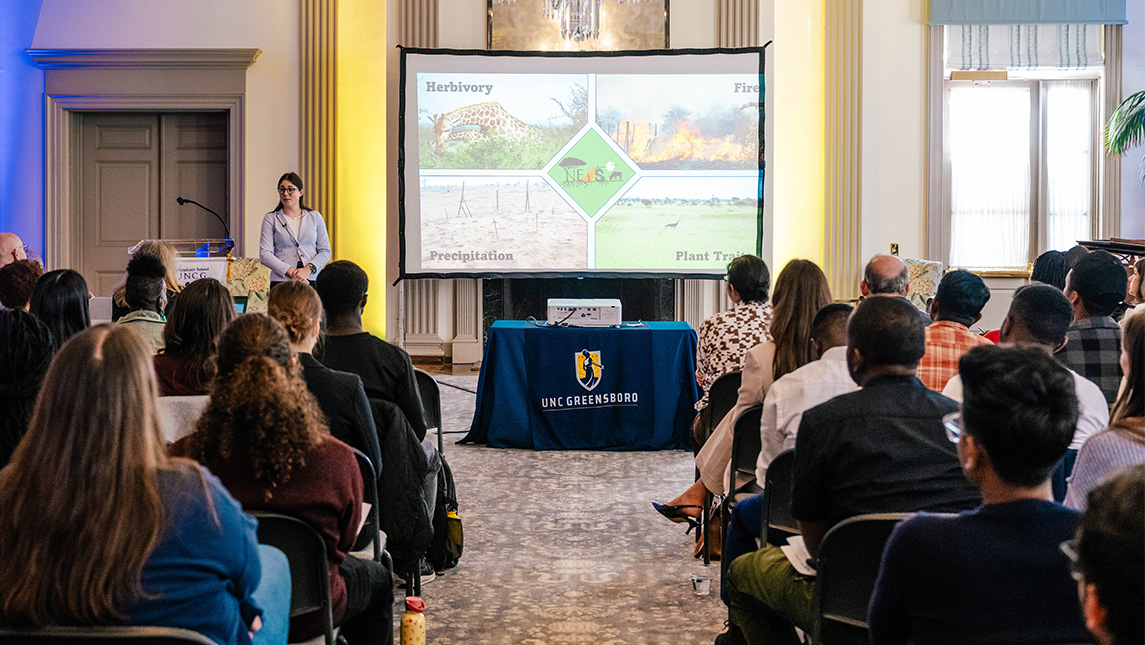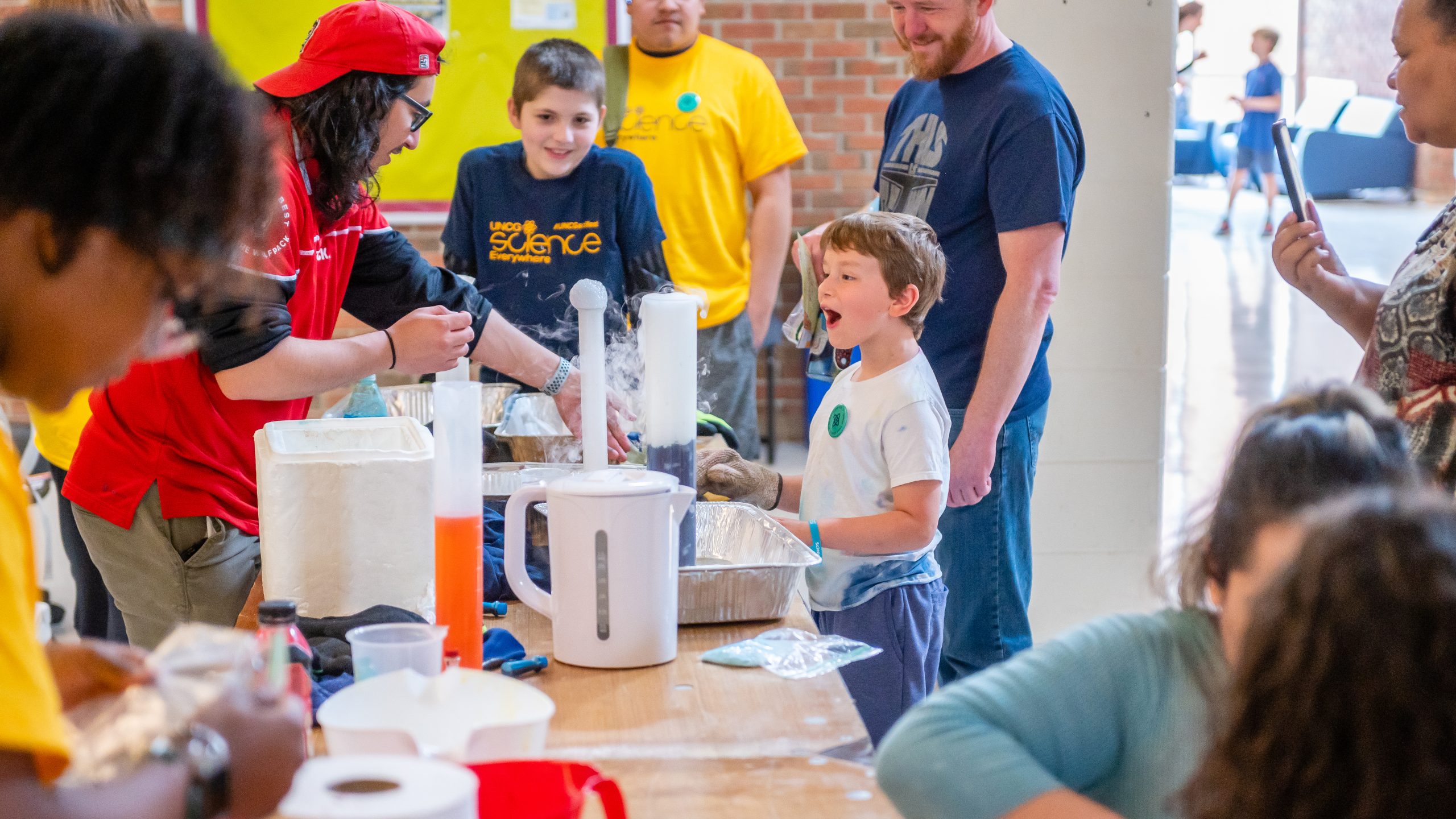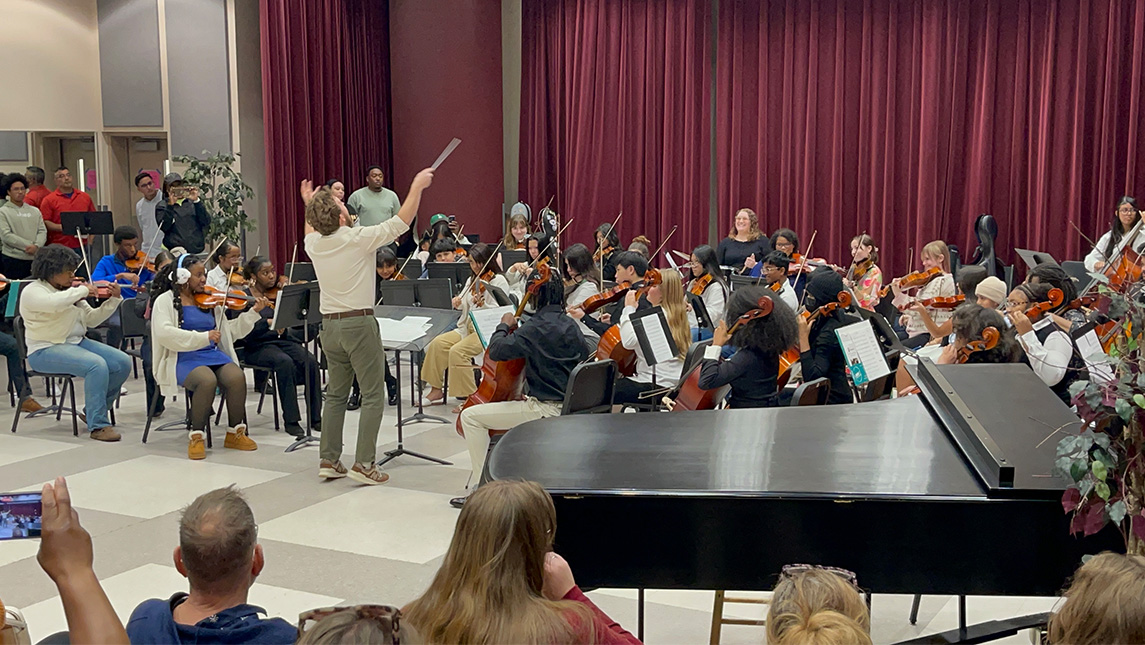

Here at UNCG, student success is viewed through a holistic perspective that recognizes the connection between well-being, learning, and community engagement. Through the University’s wellness initiative Spartans Thrive, new projects are helping students connect wellness with their academic and personal lives. Among these efforts are the Spartans Thrive Engagement Grants, led by Provost Fellow Dr. Eric Willie and the Division of Student Success, which support innovative programs designed to integrate wellness into the academic and co-curricular experience.
This year, six innovative initiatives were selected as recipients of the Spartans Thrive Engagement Grants. These grants support programs to assist students in connecting wellness concepts with their academic work and everyday lives. For this academic year, these grants are focusing on three of UNCG’s Eight Dimensions of Wellness: career, environmental, and intellectual wellness.
Together, the projects highlight the creativity and commitment of UNCG educators and staff who are building a campus culture where students can thrive in their personal and professional lives.

Expanding Leadership Through Music

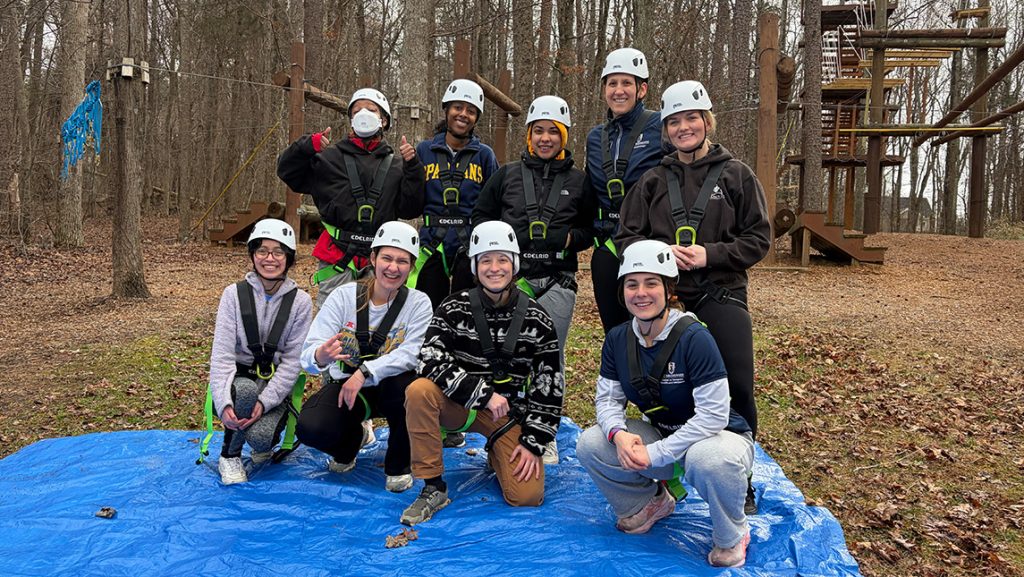
In the School of Music, Dr. Scott Glasser’s Peer Artist Leadership Program (PAL) offers undergraduate music students an opportunity to progress their career readiness through teaching. Through PAL, string music education majors provide weekly lessons to middle and high school students from Guilford County Schools, hands‑on experience that prepares them for careers in music education.
The program operates through a multi‑layered mentorship model: graduate students mentor undergraduate instructors, and undergraduate instructors mentor younger musicians. This structure allows UNCG students to refine their teaching skills while serving the broader community.
“Programs like PAL give students a chance to practice leadership in real educational settings,” Glasser explains. “They learn how to communicate, plan lessons, and reflect on their own teaching while making a meaningful difference for local students.”
Beyond strengthening pedagogical skills, the program also encourages reflection on time management, professional growth, and personal well‑being, which are crucial elements for students preparing for demanding careers in education.
For more information on PAL events, please download the flyer here.
Student Leaders Promoting Wellness
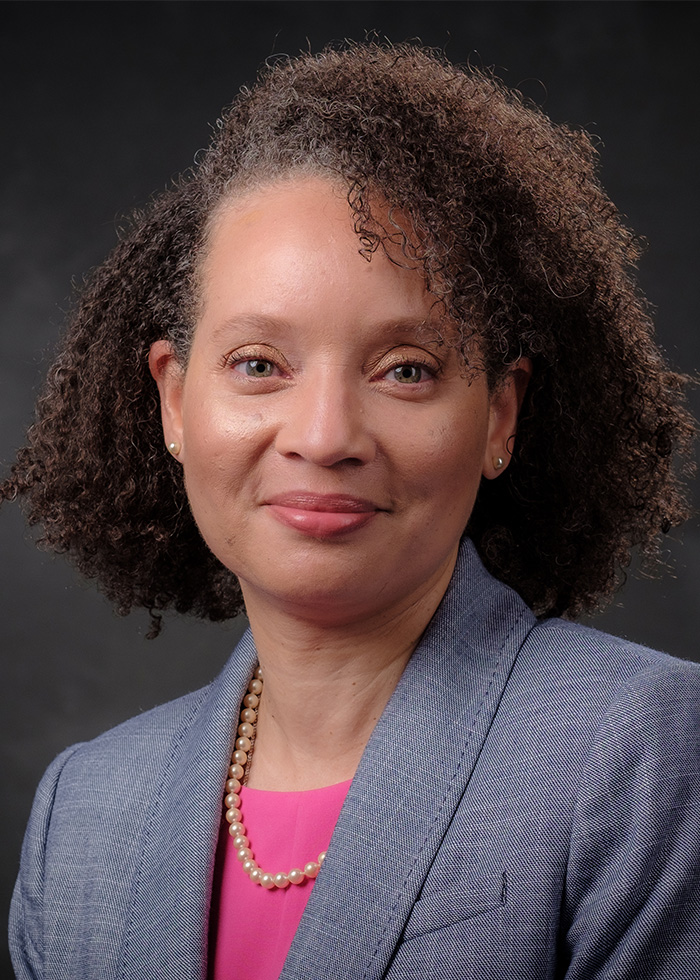

In the School of Health and Human Sciences, the Health & Wellness Event Series places leadership directly in the hands of students. Developed through the HHS Student Leadership Program led by Dr. Joi Bulls and Larissa Witmer, this initiative features a series of events designed and led by undergraduate students.
Activities such as Pilates sessions, nature walks, run clubs, and workshops about health and career initiatives encourage students to explore multiple dimensions of wellness.Each event includes concise educational components which translate how wellness practices can directly support their academic success.
The program allows student leaders to gain experience in project management, communication, and event planning while helping their peers discover new ways to manage stress, build and retain relationships, and remain active.
Building Resilient Leaders
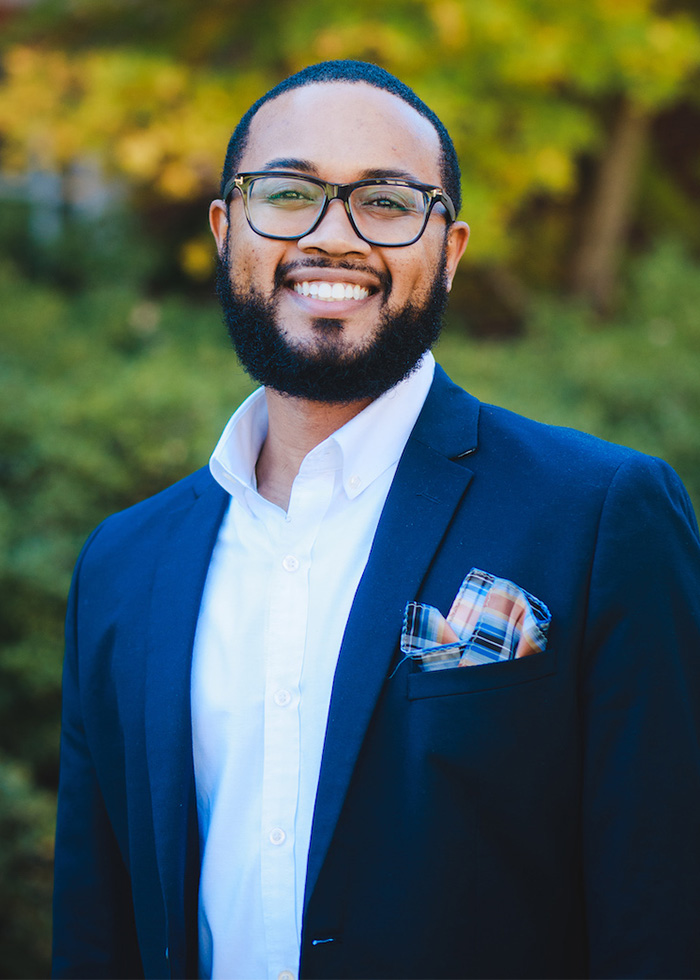
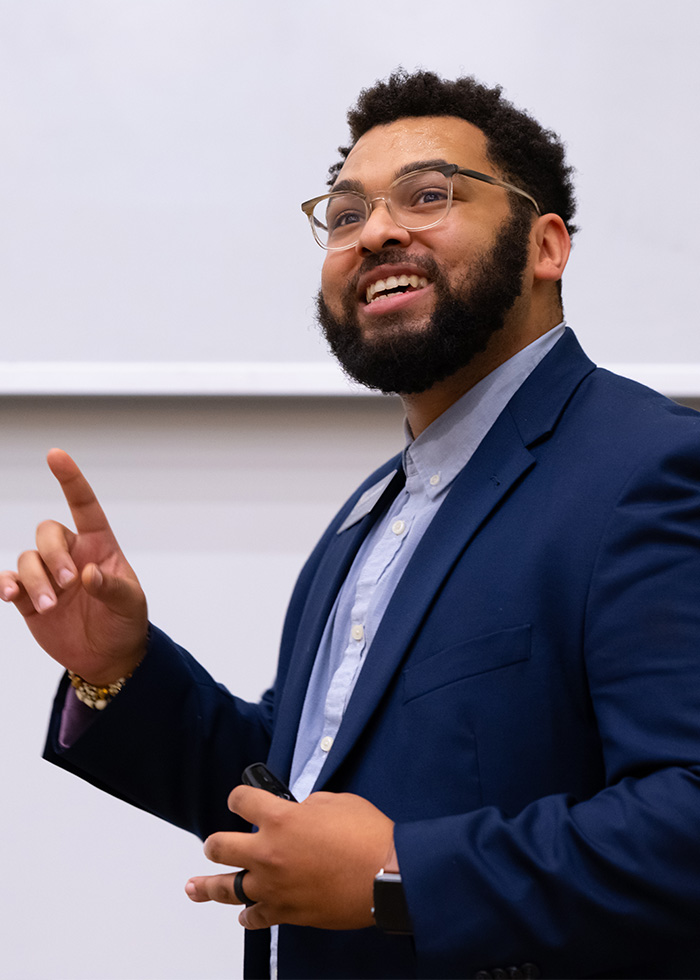
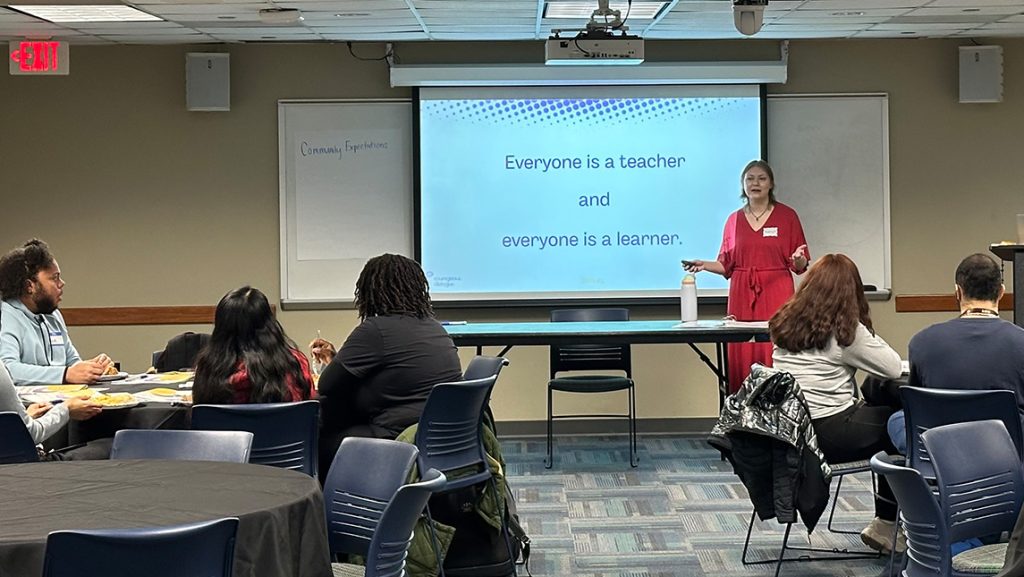
Another project focuses on leadership development through dialogue and reflection. The Office of Leadership and Civic Engagement Director Jarrod Rudd and Associate Director for Leadership Jordan Farmer will expand their Empower Hour programming by incorporating two nationally recognized LeaderShape workshops: “Courageous Dialogue” and “Resilience.”
These workshops are designed to help students develop emotional agility, strengthen communication skills, and navigate difficult conversations with empathy and respect.
Through guided discussions and interactive exercises, participants are exploring strategies for managing stress, adapting to change, and building stronger communities.
By embedding these workshops into an already existing leadership program, the initiative ensures that wellness‑focused leadership development becomes a recurring part of the student experience at UNCG.
For more information on “Building Resilient Leaders” events, please download the flyer here.

Upcoming “Building Resilient Leaders” Events
Resilience Workshop
April 20, 11:30 a.m.–1:30 p.m.
EUC Alexander Room
Supporting Community Health and Mentorship

At the Center for Women’s Health and Wellness, Dr. Jaclyn Maher’s Active Girls–Healthy Girls program connects UNCG students with local youth in a powerful example of community engagement.
The program hosts a free spring break camp for elementary‑aged girls from Greensboro, focusing on physical activity, nutrition, confidence building, and mental wellness. This grant has enabled the development of a comprehensive training program for UNCG students who serve as camp counselors.
Through training sessions focused on teamwork, youth development, and leadership, undergraduate participants gain valuable experience in mentoring and health promotion. In turn, they will help create a positive and empowering environment for attendees.
Maher notes that the program benefits both groups. “Our students gain hands‑on leadership experience while the campers see role models who encourage healthy, active lifestyles,” she says.
Learn more about how “Active Girls-Healthy Girls” gets girls moving.
Encouraging Exploration Through Movement
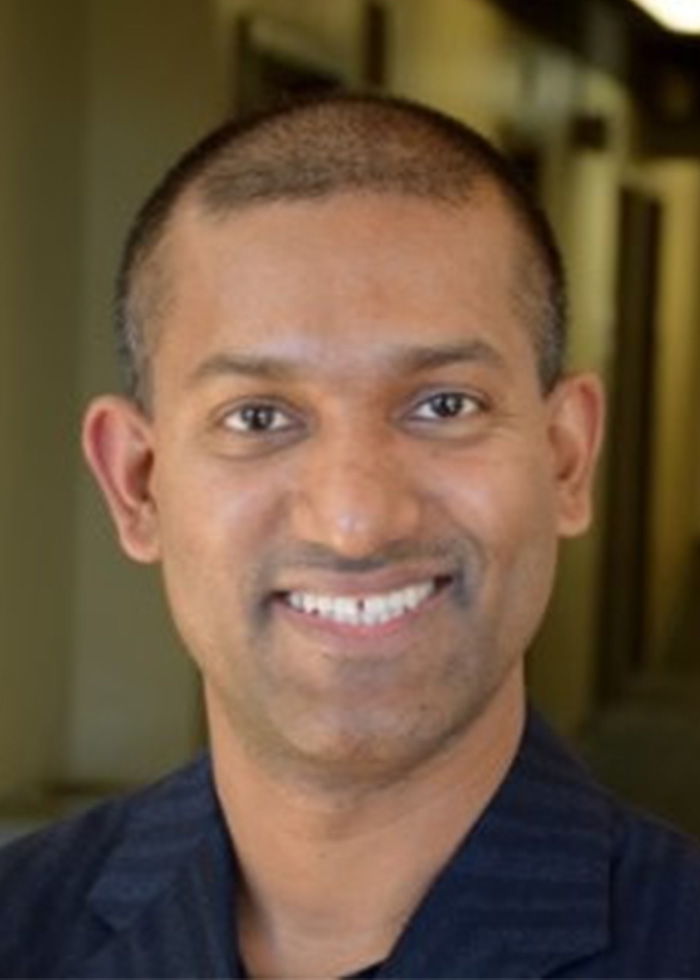
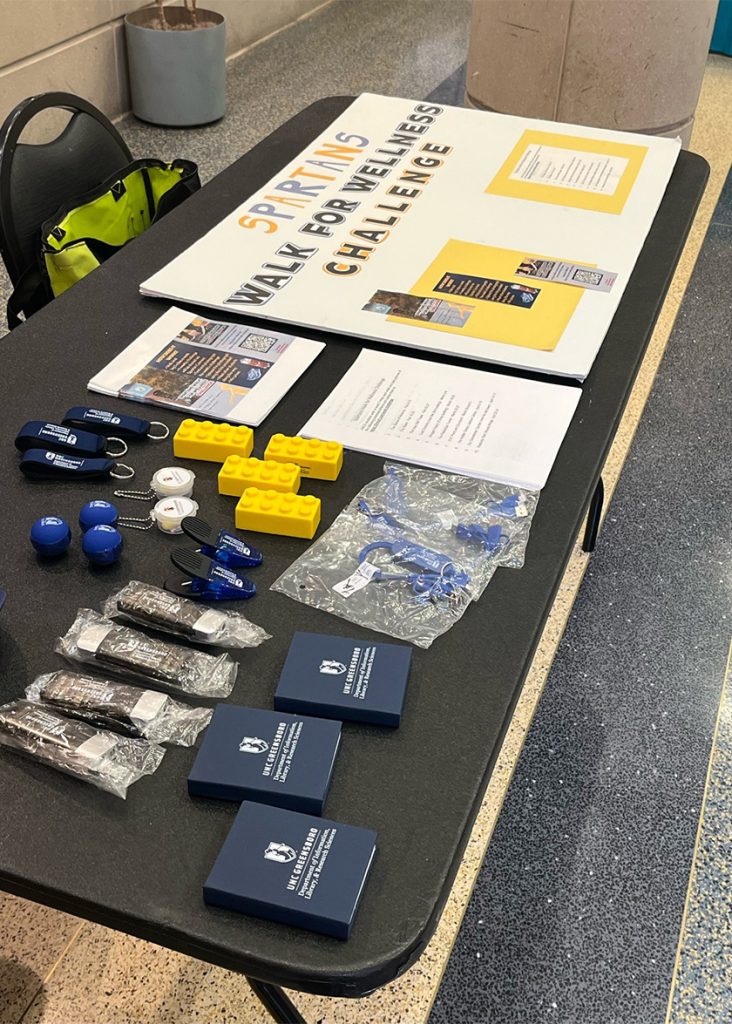
For first‑year students adjusting to college life, maintaining healthy routines can be challenging. The “Spartans Walk for Wellness Challenge” aims to make physical activity both accessible and engaging for students living in residence halls.
Led by Dr. Hamid Nadir, assistant professor of information, library, and research sciences, the program encourages students to walk five miles per week across campus while documenting their journeys through photos of campus landmarks.
Participants log their progress through Spartan Connect.
The challenge promotes physical activity, helping students explore the campus environment while connecting with peers. By turning movement into a social and collaborative experience, this initiative is encouraging students to develop healthy habits during their first year at UNCG.
For more information on the “Spartans Walk for Wellness Challenge” events, please download the flyer here.
Exploring Belonging Through Dialogue and Storytelling
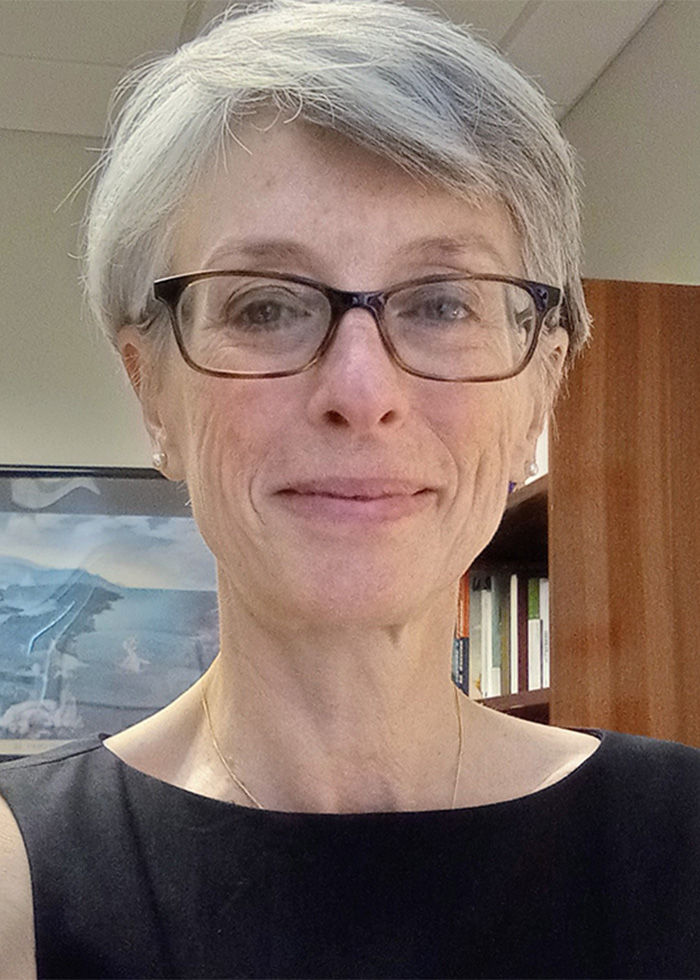
The “Exploring Belonging Through Dialogue and Storytelling” initiative explores wellness through the lens of dialogue, culture, and community storytelling. Led by Dr. Ana Hontanilla and Dominick Hand, the project brings together students from courses in Languages, Literatures, and Cultures and African American and African Diaspora Studies.
Through a five‑week dialogue series, facilitated in conjunction with the Office of Intercultural Engagement, students will explore how language, history, and identity shape experiences of belonging.
Participants learn oral‑history techniques and collaborate with community partners to document local stories for the University’s Digital Greensboro archive.
By combining dialogue, scholarship, and community engagement, the project helps students develop empathy, communication skills, and a deeper understanding of cultural perspectives.
A Shared Vision for Student Well‑Being
While each of the six projects approaches wellness in a different way, they share a common goal: empowering students to succeed academically while developing the habits, skills, and relationships that support long‑term well‑being.
Through mentorship, leadership opportunities, creative scholarship, and community engagement, the Spartans Thrive Engagement Grants demonstrate how wellness can be woven into the fabric of the University experience.
As these initiatives unfold throughout the year, they will continue to highlight the many ways UNCG faculty, staff, and students are working together to build a campus community where every Spartan has the opportunity to grow, connect, and thrive.