Over 10 years ago, UNCG’s Hispanic faculty-staff association, Alianza, had an idea that promised to make a real impact on UNC Greensboro’s enrollment.
Neither a radical policy change nor a novel marketing campaign, the idea centered around establishing support and understanding of the college experience for a growing group of North Carolina high schoolers. Alianza knew if they could break down cultural barriers and create paths of understanding for Hispanic families, young students could find real opportunities at UNCG. They just needed a CHANCE!
UNCG’s Chance for Enrollment Growth
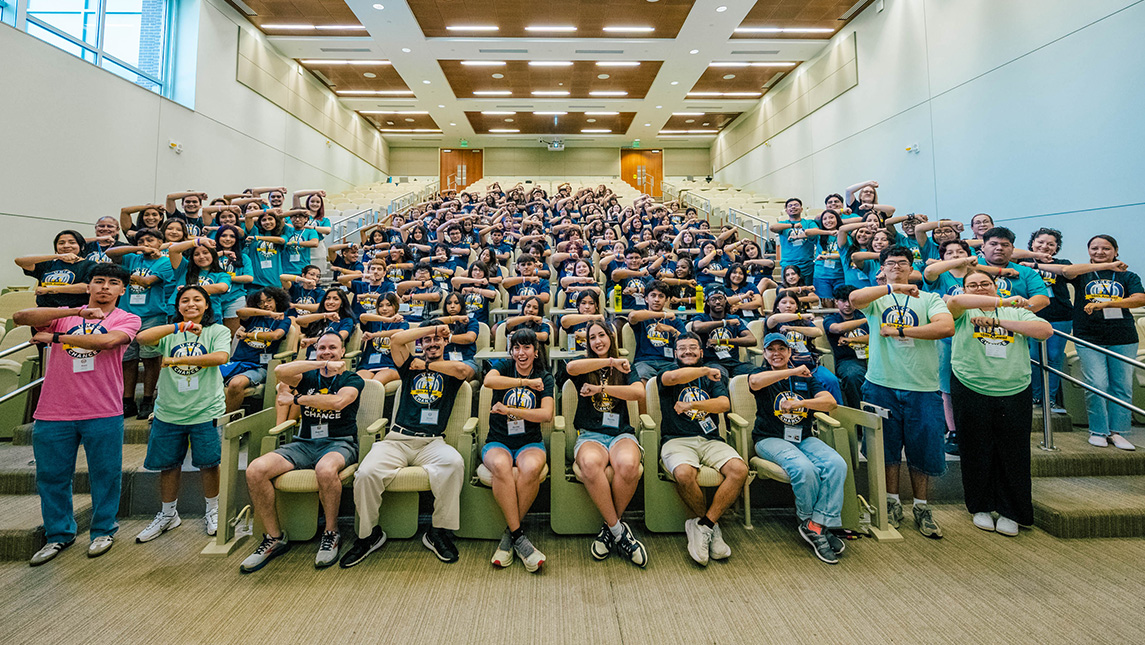
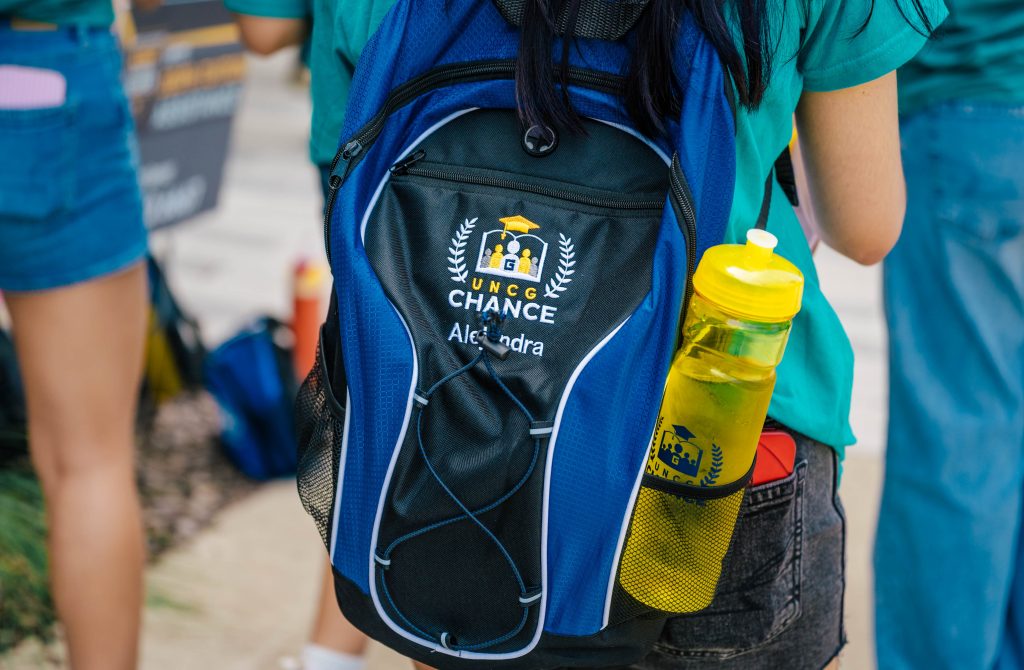
Hence, an annual summer camp was designed to introduce high school students to college life, complete with residence hall stays, academic classes, resource fairs, and tutorials on financial aid and application processes. The program’s name, CHANCE, stands for Campamento Hispano Abriendo Nuestro Camino a la Educación. Directly translated, the acronym means “Camp for Hispanics Opening the Way to Education.”
“CHANCE is so much more than just a camp,” says Grecia Navarro, “For once in my life, an educational institution acknowledged me. They acknowledged my community. They recognized our barriers, our struggles, our efforts.” Navarro was introduced to UNCG through the CHANCE camp. After becoming a Spartan, she served as a mentor. Once she graduated, she continued to give back as a CHANCE committee member while leading the Thriving at Three program for UNCG’s Center for New North Carolinians.
Navarro was one of 62 campers who arrived at UNCG for the first CHANCE camp in 2017. By the next year, participation had doubled. Fast forward to today: 876 students have participated in the camp over the last 10 years.
Meanwhile, UNCG’s enrollment of Latinx students has risen from 1,864 to 2,920 since those first CHANCE campers became Spartans in Fall 2018. In 2019, Excelencia in Education named UNCG a “Program to Watch” for its dedicated work supporting and increasing Latinx student success. Today, students who self-identify as Hispanic make up 15.6% of our current enrollment, which is the highest percentage in the UNC system.
Coincidence? Hardly, says Augusto Peña, UNCG’s Office of Intercultural Engagement director and the director of CHANCE. “The majority of our campers apply to UNCG and around 40% become Spartans,” says Peña.
10 Years of Impact

Total Campers:
876
40% Became Spartans
17% Became Camp Mentors
57%
Growth of UNCG’s Hispanic Enrollment
Since the First CHANCE Camp
CHANCE’s Recipe for Success
“The secret sauce of CHANCE, what makes it a unique and special program in North Carolina, is the people who came together from across campus to dream it, plan it, and deliver it,” says Peña. “We intentionally built a planning team with librarians, faculty from various disciplines, admissions counselors, and staff from every student support area to create a network of resources that campers can engage with during the camp experience — and also readily access later when they become Spartans.”
But simply gathering resources wouldn’t be enough to turn campers into college students. As one of the founders of CHANCE, Peña knew he had to build trust year after year through engaging with families in Spanish, building community, and culturally-informed academic peer-to-peer mentoring.
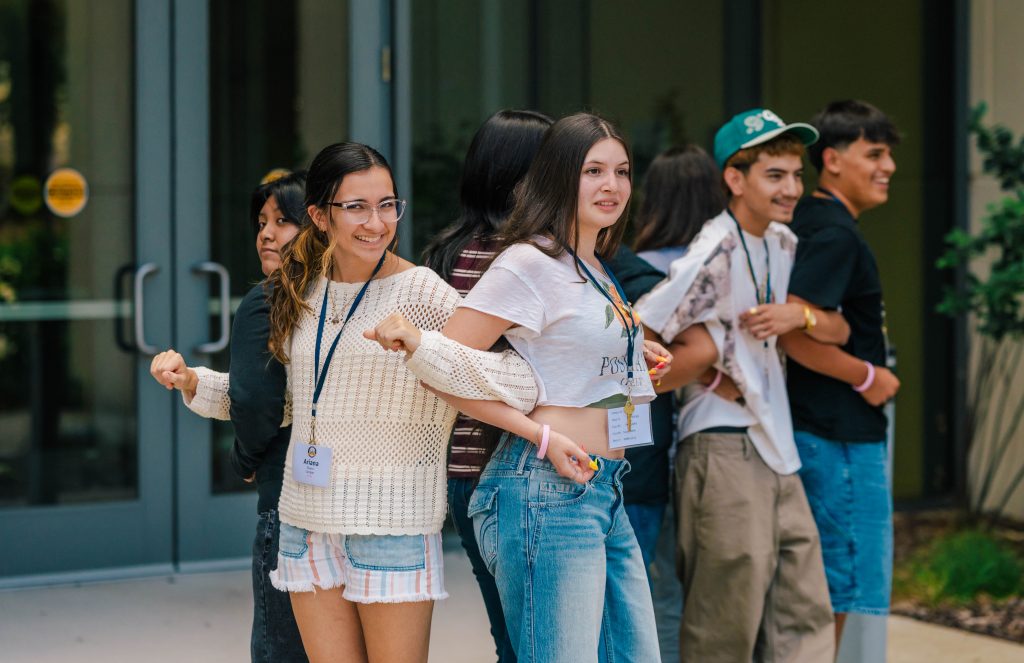
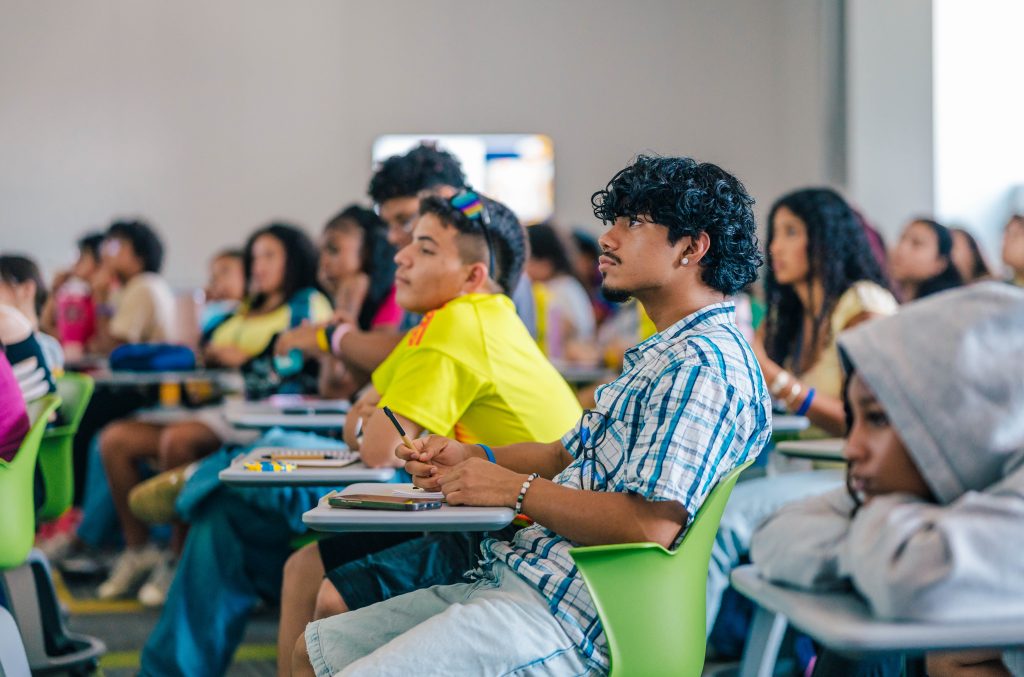
At each CHANCE camp, the campers are divided into smaller groups led by mentors who are current students at UNCG. The high schoolers can see themselves in these mentors, so the simple act of getting to know them makes college life feel accessible. After each seminar, the campers return to their small group to reflect on what they’ve learned or ask questions more privately for personalized answers. This is where complex issues like financial aid get demystified, and high schoolers can relieve anxiety about majors, academic assistance, or campus living.
Bertha Figueroa Mejia is a double alumna who just graduated with a master’s degree. She was an intern with the program this summer, but has also served as a mentor, volunteer, and counselor coordinator for CHANCE. “The most rewarding thing is to see campers that I mentored years ago, who are now serving as counselors,” she says. “This year, nine of our counselors were former campers.”
The fast filling of mentor positions is evidence that efforts to build community are working. In fact, 52 past campers have become CHANCE counselors. That’s 17% of the total participants!
“Past campers, as well as the families of Spartans, are our best ambassadors,” Peña says. “Campers share the empowering and life-changing experiences of CHANCE, and families tell other families that their students are well taken care of by supportive faculty and staff at UNCG.”
A Model for First-Generation Support
Although CHANCE was designed to create a college access pathway for Hispanic students, participation has always been open to all without preference for race or backgrounds. The development of CHANCE camp as a recruitment tool is just one example of how the University has prioritized student support and become a trusted N.C. institution for producing graduates who serve as ladders for their families and communities’ future prosperity.
UNCG’s demonstrated success in student support has earned the University distinctive accolades:
- Top Performer in the System (UNC System reports)
- Best Bang for Your Buck (Washington Monthly)
- #1 in NC for Social Mobility, #13 in Nation (US News and World Report)
“We see CHANCE as a model for introducing first-generation students from different backgrounds and cultures to the college experience,” says Joel Lee, Vice Chancellor of Enrollment Management. “Demystifying the application process and communicating our culture of care are always top priorities. CHANCE is an excellent example of how to reach families and improve their comfort level with higher education.”
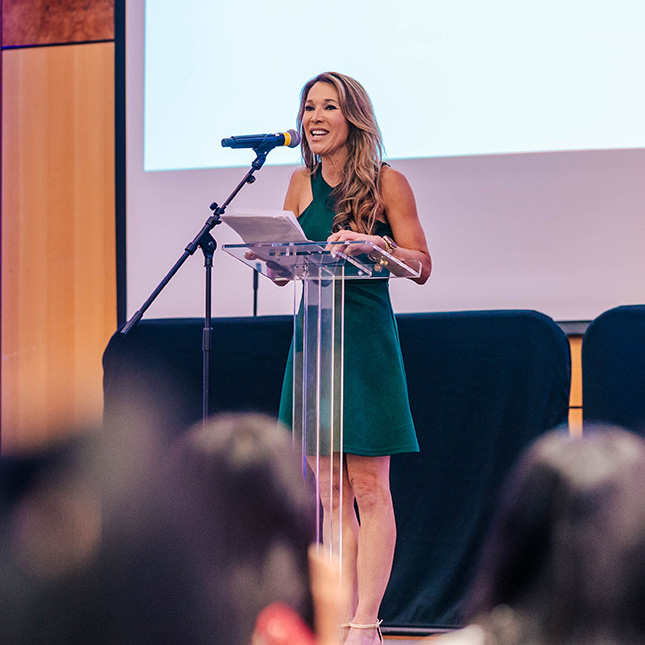
On the closing day of this summer’s camp, after the final night’s fiesta celebrating CHANCE’s 10th anniversary, campers gathered for a keynote address by WXII news anchor Christine Cruz. A child of Cuban immigrants, Cruz graduated from Florida International University and went on to a 30-year career in broadcast journalism. She spoke as a successful professional who was once in the campers’ shoes:
“I know it all feels overwhelming, but you’re going to be okay,” said Cruz. “You have the support system you need here, and this is your chance to write your story. Make it a story you’ll be proud to read to your own children someday. I guarantee it’s already a story your mom, your dad, and your abuelos are proud of. Find the version of yourself that fills your heart with happiness. This is your chance.”
Story by Becky Deakins, University Communications.
Photography by Sean Norona, University Communications.
Videography by Jefferson Castillo, University Communications.