For most people, dreams are fleeting — strange stories that fade with the morning alarm. For Dr. Scott Young, UNC Greensboro counseling and educational development professor, dreams can offer powerful insight into emotional well-being and clinical care.
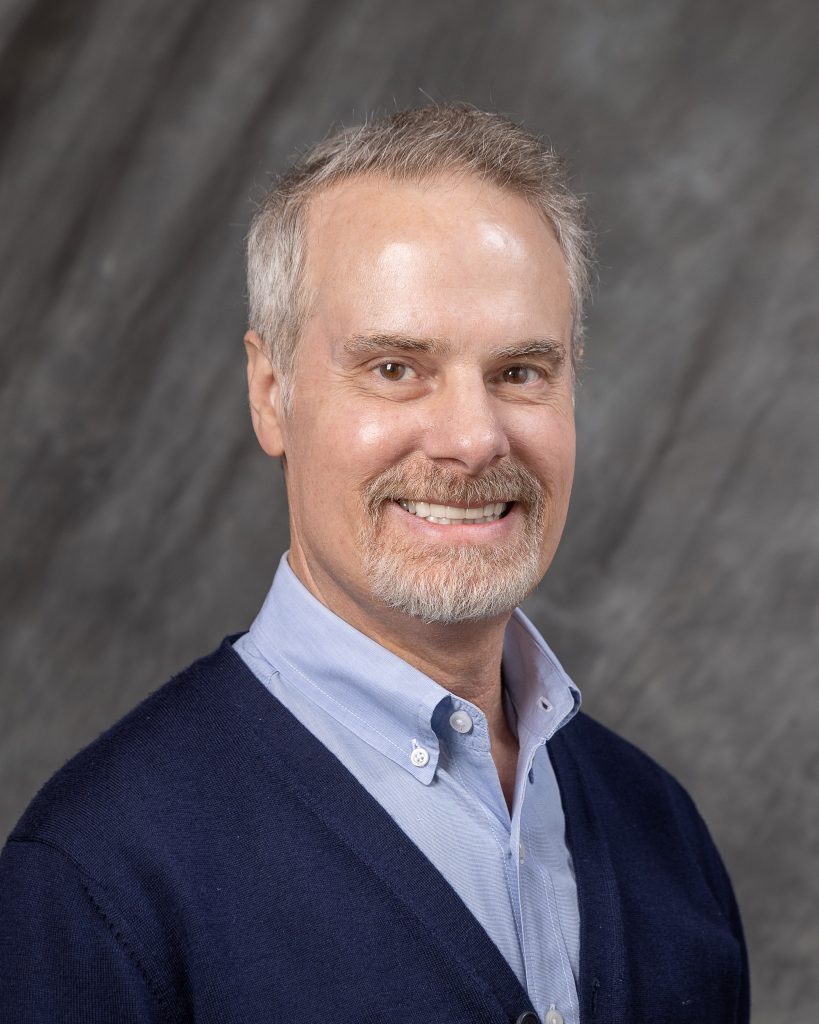
Young and his former student Dr. Alwin Wagener are working to bring dream research back into practical counseling conversations. Their recent publication, “Nightmare Relief: Implementing Image Rehearsal Therapy in Counseling,” promotes a research-supported intervention to help clients reduce the frequency and severity of nightmares — including those related to trauma and post-traumatic stress disorder.
Image rehearsal therapy (IRT) is a behavior technique that invites clients to intentionally revise distressing dreams. Rather than remaining passive recipients of recurring nightmares, clients rescript troubling elements of the dream narrative and mentally rehearse the new version before going to sleep.
“People don’t think about dreams as something that can be shaped or modified, but they can be,” Young explains. “When people learn to do that, they often stop having the same repetitive nightmare.”
Citing research previously published in the field, the counselors say IRT not only reduces nightmare frequency but also decreases broader negative mental health symptoms associated with trauma. In their article, published in the Journal of Mental Health Counseling, Young and Wagener provide clear, step-by-step guidance, so counselors can confidently implement the technique in everyday practice.
Wagener, who graduated with his doctorate from UNCG in 2015, is Young’s former mentee and frequent collaborator and is now director of the Clinical Mental Health Counseling Program at Farleigh Dickinson University.
“One of the things Alwin and I have tried to do is keep up with the research that’s happening in different places and then communicate it in ways that are helpful to people sitting in front of clients trying to bring about change,” Young says.
Centering the dreamer’s cultural context
Young and Wagener emphasize that dreamwork must be culturally responsive. In another recent article, “Culturally responsive dreamwork: Facilitating culturally competent dream discourse,” they encourage clinicians to move away from outdated models that position therapists as expert interpreters of dream symbolism.
“We’ve been arguing that you can empower the dreamer and let them take more of the lead on what’s important to them,” Young says.
Dream meaning, they emphasize, is deeply embedded in cultural, religious, and personal context. For example, some individuals may view dreams as neurologically random, while others interpret them through spiritual or cultural frameworks.
“The real question is what it means to them,” Young says. “If somebody grew up in a very religious context, the same imagery could be very comforting for one person and very distressing for another.”
Their model encourages counselors to begin by exploring clients’ own beliefs and associations before offering interpretations or interventions. Even structured techniques like IRT, they note, should be delivered with sensitivity to cultural frameworks and personal meaning-making.
A practical tool for everyday clinicians
Across both recent publications, Young and Wagener aim to demystify dreamwork.
They outline a streamlined process that counselors can use without specialized dream-analysis training. The collaborative approach guides therapists to:
- Explore the dream narrative with the client
- Identify emotionally significant moments
- Notice key images and feelings
- Invite the dreamer’s own meaning-making
- Consider possible revisions or insights
They hope their work will help restore dreams as a meaningful tool in mental health care.
“Most people are curious about their dreams if they pay attention at all,” he says. “Often, they’ll say, ‘I don’t know what that was about, but it was really powerful.’”
Young is helping counselors respond to that curiosity, not with rigid interpretations, but with cultural awareness and practical strategies that support healing.
By Sierra Collins, Division of Research and Engagement
Photography by University Communications