Are plastics, especially nanoplastics and microplastics, omnipresent in our daily life harmful? That is the focus of a recently published iScience article by UNC Greensboro Ph.D. student Ajmal Khan who is exploring the human cardiovascular effects of microplastics in the Jia Lab within the Department of Biology. The lab’s work has shed light on the potential health effects of these plastic particles that can be found everywhere.
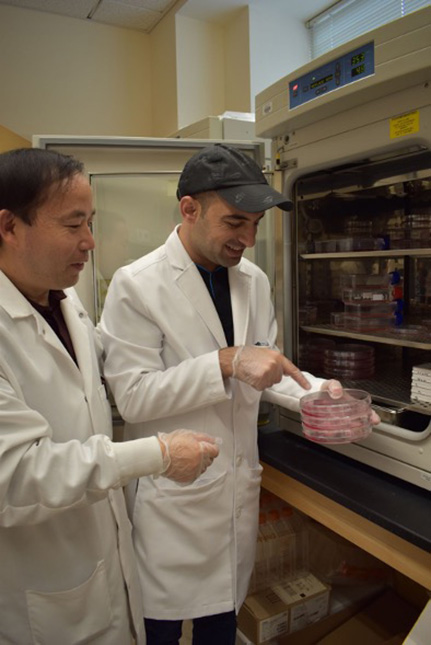
As one of the most exhaustive assessments to date, the Jia Lab evaluated data and findings from a large volume of studies ranging from laboratory experiments, animal studies, and human observational data to better understand the potential health risks posed by microplastics and nanoplastics. Their work confirmed that plastic particles can be found in human blood, lungs, sputum, saliva, hair, skin, and even placenta (highlighting the potential risk of plastic exposure during the fetal stage), which indicates their imminent toxic effects on human health.
“Microplastics and nanoplastics can breach the body’s defense barriers via a variety of routes, including inhalation, ingestion, and dermal exposure,” says Khan. “These particles may then interact with human cells and tissues, targeting molecular pathways within the cell, which may have detrimental effects on health.”
Those impacts could include problems with the circulatory, respiratory, digestive, neurological, and reproductive systems. These microplastics and nanoplastics can also enhance the incubation period (viral survival) and the transportation of the COVID-19 virus into the human body, emphasizing the need for more research on these potentially toxic particles.
As global plastic consumption continues to escalate, Khan and peers within the lab hope their current and future findings can help reduce the impending risks of microplastics and nanoplastics to mankind.
“This study is an important step toward understanding the potential risks posed by microplastics and nanoplastics,” says Khan, “and highlights the need for continued research in this area. We hope these findings will inform future regulations and policies to reduce exposure to these particles and ultimately protect public health.”
Story by University Communications
Photography by Page Turner, Administrative Assistant Department of Biology
Learn more about graduate programs in biology at UNCG