

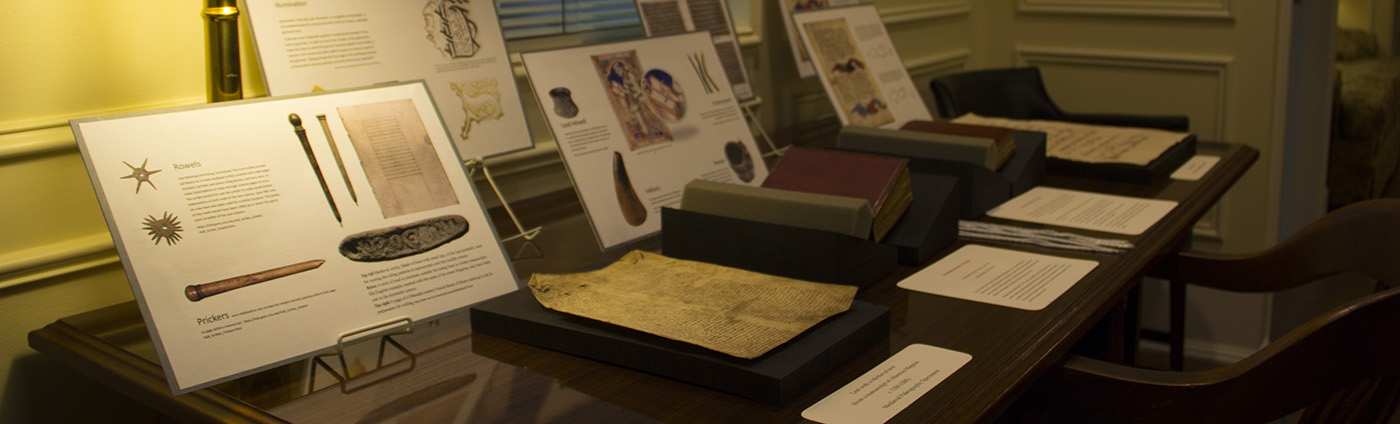
UNCG’s Master of Arts in History helps students build highly valued skills in research, critical thinking, and writing. Students may concentrate their studies on any area of American, European, or World history. They work closely with faculty members for hands-on research and develop skills to analyze the impacts of historical events.
In addition to research, master’s students find opportunities to apply their studies in Greensboro internships like Guilford Courthouse National Military Park, International Civil Rights Center and Museum and area nonprofits. Students with aspirations to teach will be prepared to go beyond memorization of facts and encourage students to reframe the way they think about the world.
Masters in History PROGRAM DISTINCTIONS
College Factual ranks UNCG’s master’s in history program 4th in the state, which is amplified by its low public tuition rate and high financial aid options.
Students in small cohorts work directly with faculty mentors, who are world-renowned scholars in their fields. Particularly for American history scholars, learning and researching in a North Carolina city that is rich with history is an advantage.
THE Masters in History STUDENT EXPERIENCE
In the master’s in history program, students create their own fields of study based on their individual areas of interest. This personalized learning environment is a UNCG advantage. Students pick a team of three faculty members who specialize in three different time periods of history. One of these faculty members from the history department will serve as the student’s main advisor.
Writing, research, and critical thinking are touchstones of the student experience. Classes are small, generally between 10-15 students. History master’s students are required to take 30 hours and are expected to pass a language proficiency examination or take an extra three hours of course work in either their major or minor.
The UNCG environment gives aspiring teachers practice mentoring undergraduates as teaching assistants, and Greensboro’s historic outlets allow for local internship opportunities. Applicants with specific interest in museum work should consider the master’s in museum studies at UNCG.
“We had this procedure we followed when we reached out to interview descendants. We’d pick them up and take them to the park, show them the remains of the house we were excavating and what we had found, and then we’d record their oral history.”
–Dr. Asa Eger, history professor on an excavation trip he led to the Middle East in 2023

AFTER GRADUATIng with a Masters in History
Graduates of the master’s in history program often go on to Ph.D. programs or find employment in teaching, government, and business. Some examples:
- Clyde Ellis, M.A. 1986: Professor of History & University Distinguished Scholar, Elon College, Elon, NC
- Hayley Chambers, M.A. 2008: Senior Curator of Collections at the Totem Heritage Center and the Tongass Historical Museum in Ketchikan, AK
- Sarah McNulty, M.A. 2011: Director of Programs and Marketing at the Surry Arts Council in Mount Airy, NC
- Felicia (Lowrance) Abrams, M.A. 2012: Manager, Onsite Education at Jamestown-Yorktown Foundation
- Max Ostrowski, M.A. 2016: Oral History Researcher, The HistoryMakers Digital Archive, Chicago, IL
- Laura Michal-Balderson, M.A. 2018: Tour guide, Monticello, Charlottesville, VA
- Kyle Booker, M.A. 2020: Assistant Site Manager, James K. Polk State Historic Site, Pineville, NC
Study the Past,
Inform the Future
Get More Information About the History, M.A. Degree
Program Details
Degree Type: Master's
College/School: College of Arts and Sciences
Program Type: Majors & Concentrations
Class Type: In Person
Catalog Name: History, M.A.
Similar Degree Offerings
Contact Us
Dr. Jill Bender
Director of Graduate Studies
Department of History
jcbender@uncg.edu