

The Bachelor’s in Interpreting, Deaf Education, and Advocacy Services (IDEAS) at UNC Greensboro offers students a specialized pathway focused entirely on Deaf, DeafBlind, and hard of hearing communities. Rather than approaching these topics as a minor or specialization, the entire major is built around communication access, advocacy, education, and service.
Bachelor’s in Interpreting, Deaf Education, and Advocacy Services Program Distinctions
UNC Greensboro’s Interpreting, Deaf Education, and Advocacy Services (IDEAS) program stands out because it is the only undergraduate program in the southeastern United States dedicated specifically to advocating for, educating, and providing services to individuals who are Deaf, DeafBlind, or hard of hearing. This unique focus combines professional preparation, language development, cultural competency, and community engagement in ways few programs can match.
- 100% of interpreting graduates pass the National Interpreter Certification (written).
- More than 90% of education graduates obtain employment as teachers and many states accept licensure reciprocity.
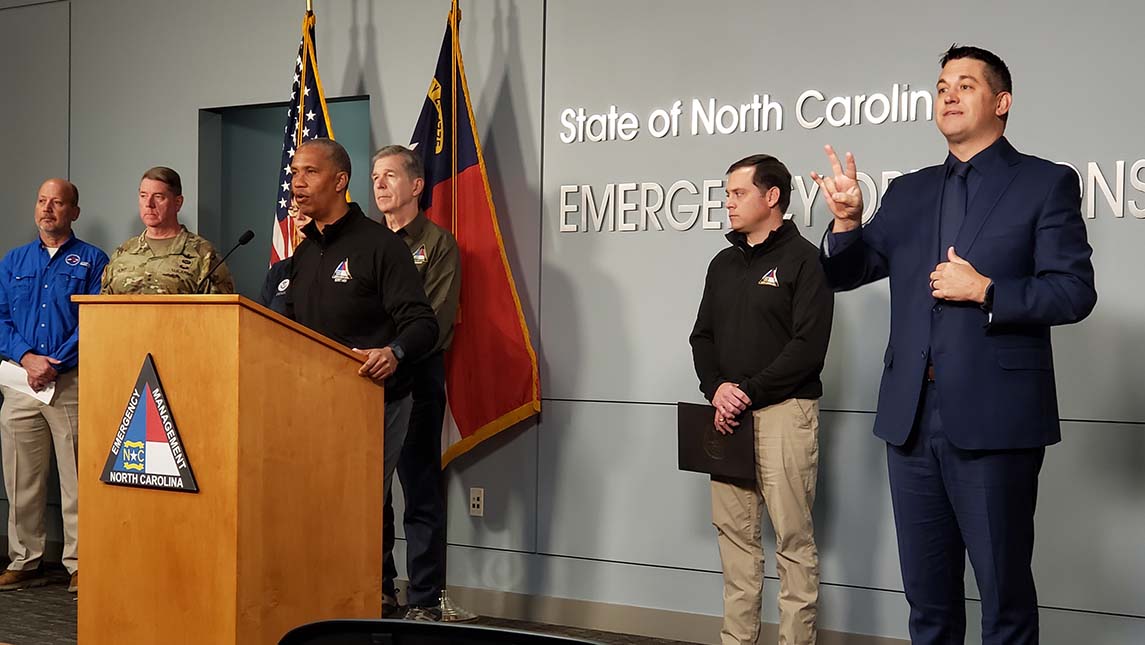
- Our Faculty have extensive experience in the field, including former K-12 teachers and interpreters. Samuel Parker, interpreter coordinator, served as the lead interpreter for President Bill Clinton’s inauguration among other high-profile roles.
- Accreditations and affiliations include:
- National Council for Accreditation of Teacher Education (NCATE)
- N.C. Department of Public Instruction (NCDPI)
- 2Plus interpreter preparation agreements with four North Carolina community colleges
Bachelor’s in Interpreting, Deaf Education, and Advocacy Concentrations
The IDEAS program features three unique concentrations:
- Interpreter Preparation
- Advocacy and Services for the Deaf
- K-12 Deaf and Hard of Hearing Teacher Licensure
The Interpreter Preparation concentration combines rigorous American Sign Language (ASL) instruction, immersive engagement with Deaf communities, and professional interpreter training within a program backed by more than five decades of Deaf Education expertise. UNCG is home to the only four-year interpreter preparation program in the UNC System.
Students in the Advocacy and Services for the Deaf concentration are prepared to become effective advocates, service providers, and allies for Deaf, hard of hearing, and DeafBlind individuals through a unique combination of language acquisition, cultural competency, community engagement, and professional preparation. One of just two advocacy-specific undergraduate programs in the United States, the Advocacy and Services program has long-standing connections with Deaf communities throughout North Carolina.
The concentration in K-12 Deaf and Hard of Hearing Teacher Licensure combines more than 50 years of leadership in Deaf Education with extensive clinical experiences, strong partnerships with schools and Deaf communities, and a comprehensive approach to preparing teachers who can support diverse learners across a variety of educational settings. UNCG is home to the ONLY Deaf and Hard of Hearing Teacher Licensure program in North Carolina.
The Interpreting, Deaf Education, and Advocacy Services Student Experience
Students in all three IDEAS concentrations receive extensive field and internship experience in areas such as schools, government and community agencies, heath-related organizations, and nonprofits. Specialized training in communication modes is offered through ASL classes and the Sign Language Laboratory. Students actively participate in conferences, volunteer placements, professional development, and other networking opportunities.
Learning extends beyond the classroom. Students engage with Deaf communities through observations, volunteer experiences, and community events. These experiences help students develop cultural competence and real-world skills that are valued by employers.
Community engagement is a key part of the student experience. IDEAS students host an annual Deaf Field Day, bringing students from across the state to campus each spring. A number of students also assist in producing shadowed stage productions with a local theater.
Once you Graduate with a Bachelor’s Degree in Interpreting, Deaf Education, and Advocacy Services
The program addresses workforce needs in areas where qualified professionals are in high demand. Graduates pursue careers as:
- Sign language interpreters
- Teachers of deaf and hard of hearing students
- Deaf services specialists
- Accessibility coordinators
- Community advocates
- Human services professionals
Many graduates enter the workforce with significant field experience already on their résumés.
“The best part of the job is coaching, working with teachers who are working with groups of students and trying to improve their skill set. I teach them the pedagogy of deaf education that they maybe didn’t get in undergrad or graduate study.”
– Virginia Madorin ’11, Office of Exceptional Children and co-director of the North Carolina DeafBlind Project
“Their guidance of my academic path laid the groundwork for the IDEAS program. You need content knowledge to work in a legal setting, social services setting, religious settings and others. You have to know a little about a lot, so you can interpret not just words, but concepts for an equivalent message in ASL.”
–Mark Lineberger ’00, Freelance Interpreter
Applying to the Interpreting, Deaf Education, and Advocacy Services Program
Applicants to the IDEAS program must meet with an advisor and complete forms outlining Technical Standards, Dispositions, and Program Requirements. Students must have an overall GPA of at least 2.50.
Program Details
Degree Type: Bachelor's
College/School: School of Education
Program Type: Majors & Concentrations
Class Type: In Person
Catalog Name: Interpreting, Deaf Education, and Advocacy Services, B.S.
Learn More About the Interpreting, Deaf Education, and Advocacy Services (IDEAS) Programs
View UNCG CatalogSimilar Degree Offerings
- Bachelor's in Interpreting, Deaf Education, and Advocacy Services - Interpreter Preparation
- Bachelor's in Interpreting, Deaf Education, and Advocacy Services - Advocacy and Services for the Deaf
- Bachelor's in Interpreting, Deaf Education, and Advocacy Services - K-12 Deaf and Hard of Hearing Teacher Licensure
Contact Us

Jana Wilhelm
Assistant Clinical Professor
336.334.5843
jbwilhelm@uncg.edu
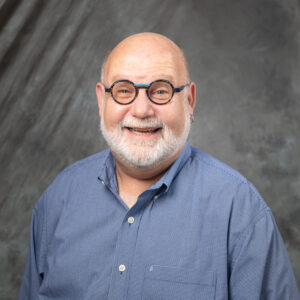
Samuel Parker, MFA, CSC, ASLTA
Interpreter Preparation Coordinator
336.256.1217 (voice)
336.543.2139 (video phone)
sdparker@uncg.edu