


FULLY ONLINE PROGRAM AVAILABLE
Learn More
The Master’s in Peace and Conflict Studies at UNCG is dedicated to providing high-quality, professional training in multiple conflict intervention and prevention skills such as mediation, negotiation, facilitation, restorative practices, violence prevention, and collaborative problem-solving. Students engage in community-based learning through a variety of courses to build practice, intervention, and research skills. The program focuses on pragmatic approaches to solving personal and social problems in a variety of social settings. Students are exposed to an array of techniques and strategies to achieve non-violent solutions to conflict that arises in diverse family, organizational, and community environments.
The program promotes a systemic and critical perspective to the challenges facing individuals, families, organizations, and communities in both a global and local analytical and practical perspective. With an interdisciplinary commitment to social justice and human rights, we train professionals to seek collaborative, constructive, and conciliatory methods for resolving human conflict. Our goal is to train reflective conflict professionals — practitioners with a critical understanding of theory, research, and a range of methods; local and global perspectives; and an appreciation of diversity, peace development, and social justice. The program offers two concentrations: Transformative Peace, which is fully online, and Sustainable Peace and Justice, which is in-person.
The Master’s in peace and conflict studies Student Experience
The Master’s in Peace and Conflict Studies Program uses an interdisciplinary, critical, and social justice approach to conflict theory, peace studies, research, and practice. Our courses are for aspiring conflict professionals and for students in other programs looking to enhance their skills through conflict and peace electives.
Students are encouraged to explore a range of professional applications of practice skills. Students are closely mentored and supported by the faculty in the professional seminar series offered throughout the first year of study.
The master’s program is one of only two in North Carolina, and offers engaging coursework:
- A comprehensive integrated core curriculum
- Varied electives
- Flexible time schedules.
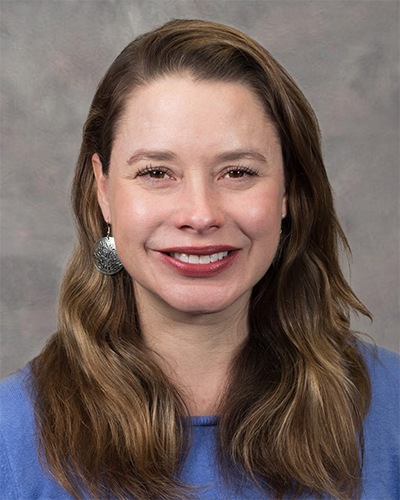
“Our faculty love to train students in research and practices of conflict transformation, and our students bring that work into nonprofits, companies, government, and education. Our field touches the personal, interpersonal, group, and international dimensions of peace and conflict dynamics.”
– Marcia Hale, Assistant Professor
After Graduating with your master’s in peace and conflict studies
Students graduating with a Master’s in Peace and Conflict Studies may find careers in fields such as:
- Academic Foreign Languages Translator
- Advocacy Coordinator
- Attorney
- Business Development Manager
- Case Manager
- Community Building / Organizing
- Community Relations Specialist
- Community Service Agent
- Conflict Resolution Expert or Consultant
- Counterterrorism Analyst
- Development Associate
- Diplomat / Peacebuilder
- Educator: K–12 and Higher Education
- Government Technical Representative
- Higher Education Professional
- Homeless Management Information Systems Specialist
- Human Resources & Trauma Specialist
- Humanitarian Assistant Officer
- Humanitarian Immigration Lawyer
- International Development
- Judicial Services Coordinator
- Juvenile Justice
- Law Enforcement
- Legal / Criminal Justice
- Marketing & Public Relations Assistant
- Mediator / Negotiator
- Medical / Health Care
- Nonprofit Director
- Paralegal
- Peace Practitioner
- Policy Officer or Legal Advocate
- Political Office
- Program Manager/Director
- Recovery Services
- Residential Specialist
- Restorative Justice
- School Counselor
- Student Conduct & Alternative Resolution Specialist
- Trainer / Facilitator
- War & Defense Lecturer
- Sites of employment can include:
- Government / Public
- Community
- Businesses and Corporations
- Non-governmental Organizations (NGOs)
- Nonprofits

“PCS is fluid…How can we contribute to the process? We can only contribute to a small space. Just enter and find a space where you can do this work by using different lenses to figure ways for people to exist better, with more dignity.”
–Cathy Knowles ’98, ’25 MPCS, MA in Peace and Conflict Studies
Applying to the Master’s in peace and conflict studies Program
Admission to the master’s program is on a rolling basis year round. If you wish to be considered for an assistantship or tuition remission you must meet the early deadline of Feb. 15th. Additional application details include:
- Complete an online application to the Graduate School.
- For Fall admission, complete your application by July 1st.
- For Spring admission, complete your application by Oct. 1st.
- Submit the following to the Graduate School:
- Official transcripts for all undergraduate work (whether a degree was obtained or not).
- Three (3) letters of recommendation (preferably by persons capable of speaking about your academic work or academic potential).
- GRE is not required.
- Write a personal statement (250-300 words) explaining your personal goals and why you wish to study Peace & Conflict Studies.
- As part of the admission process, you may be called for a short personal interview, either in person, by telephone, or Skype.
Program Details
Degree Type: Master's
College/School: School of Health and Human Sciences
Program Type: Majors & Concentrations
Class Type: In Person,Online
Catalog Name: Peace and Conflict Studies, M.A.
Similar Degree Offerings
Contact Us
Dr. Marcia Hale
Graduate Program Director
Department of Peace and Conflict Studies
UNC Greensboro
1510 Walker Avenue, 4th Floor
Greensboro, NC 27412
mrhale@uncg.edu