The generosity of a family caregiver goes beyond words, but even the deepest well can run dry.
Becoming a family caregiver transforms lives, relationships, and family dynamics. It means reprioritizing careers, hobbies, and, sometimes, putting one’s own needs to the wayside.
“Family caregivers are extremely selfless,” says Elise Eifert, Ph.D., program director for UNC Greensboro’s Gerontology Program. “They will care until they’ve got nothing left to give. That’s what I want to prevent from a health perspective and as a professional.”
Today’s caregivers face tough headwinds. As family sizes shrink and adults become more mobile—frequently living far from their hometowns and relatives—the networks they used to rely upon while tending to a parent or elderly relative become more limited. “We know from research from the Family Caregiver Alliance that the responsibilities of family caregivers are increasing,” says Eifert.
With the number of adults older than 65 outpacing people under 18, caregivers may need help building new support systems.
“Family caregiving is one of the most important—and demanding—responsibilities a person can hold,” says Terri Shelton, Ph.D. The former vice chancellor for research and engagement at UNCG serves on the board of directors for United Way of Greater Greensboro. “We understand that caregivers thrive when they are not carrying the load alone.”
‘I’m just a good child.’ Accepting Caregiver Identity
Even as roughly one in four Americans steps into a family caregiver role, according to Eifert, they are wary about calling themselves a caregiver.
She says, “I’ve heard a lot of adult children say, ‘My mom took care of me, and now I’m taking care of her. I’m not a caregiver, just a good daughter.’ Or a spouse says, ’50 years ago, I stood in front of my family, friends, and God and vowed for better or for worse. I’m not a caregiver, just a good husband.'”


That aversion may stem from the pain of watching a loved one lose their independence to age, illness, or disability, or the stigma surrounding conditions like dementia and Alzheimer’s.
Breaking down that reluctance is important to Eifert, whose research expertise is caregiver identity and how it influences behavior. She explains, “If you don’t see yourself as a caregiver, then you don’t necessarily seek the services available to caregivers, because you don’t see those as meaningful to you.”
There are ways to reframe caregiving in a positive light. Eifert says, “A couple of things that people talk about at the end of their caregiving experience is, ‘This brought out my inner strength. It tested me, but I overcame it.’ They also say it brought them closer to their relatives, because they got to spend time together that they wouldn’t have gotten otherwise.”
Space to talk, listen, and learn
Helping caregivers can range from connecting them to nonprofits to educating companies on how to better serve their caregiving employees.
Striking the balance between work and family drives UNCG’s own Caregiver Support Network for its employees. Participants can hear from campus and community experts about caregiving, future planning, communication, memory care, and self-care.
“Caregivers often face stress, isolation, and difficult decisions,” says HealthyUNCG Director Stefanie Milroy. “Having a space where they can learn, ask questions, and connect with others in similar situations helps reduce that burden. It also fosters a sense of community and belonging, reminding caregivers that they are not alone.”

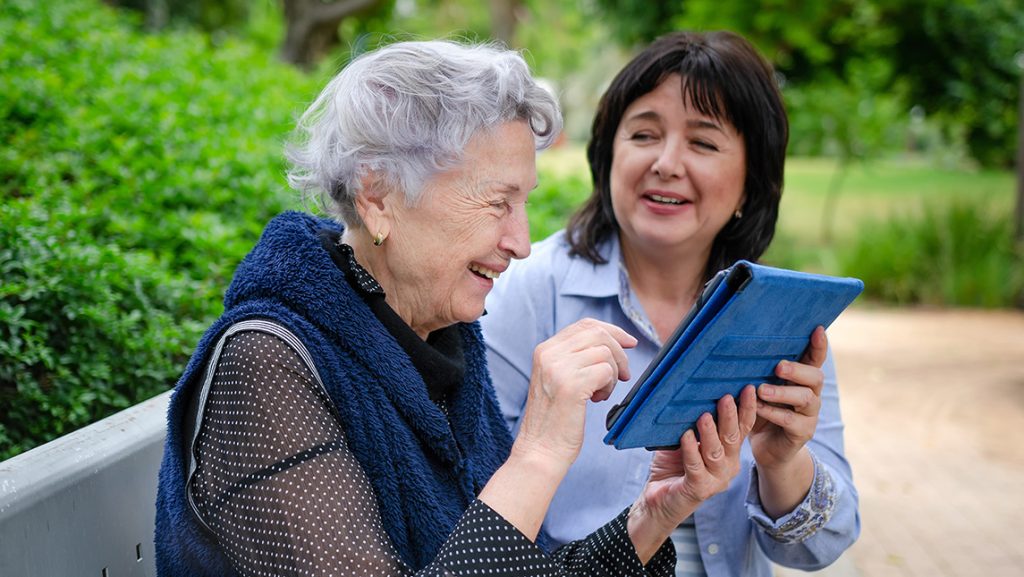
Meeting facilitators keep the environment welcoming and accepting. Milroy says participants may keep their cameras turned off in virtual meetings and submit questions anonymously. No one is pressured to divulge more information than they want.
Networking with fellow caregivers is like finding a treasure chest fille with firsthand knowledge, anecdotes, and reassurance. “Psychoeducation is probably the biggest thing people need, because nobody prepares you to be a caregiver,” says Eifert. “Support groups are safe spaces for family caregivers to be around other people who are experiencing the same thing that they’re experiencing.”
Growing the network of care
Support for today’s caregiver support may begin with conversation, but it doesn’t end there. Eifert points out that financial demands may put up barriers to resources like adult day centers and counseling.
“We see a lot of people falling through the cracks because we don’t have the programming or policies to support them,” says Eifert.
A caregiver may pass up a job promotion to stay with their loved one or find themself choosing between paying a utility bill or medication. Shelton sees this play out daily, as United Way tries to address all needs directly and indirectly impacted by caregiving.
“United Way of Greater Greensboro’s collaborative model brings together childcare support, employment pathways, financial guidance, and community resources to help families stabilize and flourish,” says Shelton. “Supporting caregivers is essential not only for individual well-being, but for building a stronger, more resilient Greensboro.”


When examining what role employers can play, Eifert would like to see more companies offer long-term care insurance to help alleviate that burden and extend grace to employees who face erratic schedules at home. “One of caregivers’ biggest needs is flexibility,” she says. “They may need to leave in the middle of the day to go take care of something, work from home, or arrive 30 minutes later. When employers offer more flexibility, that helps a lot.”
Last year, UNCG became North Carolina’s first public university certified by Family Forward NC. The organization designates employers with policies and practices supporting the health and well-being of working families and children, including paid leave, amendable hours, and childcare support.
How to find resources near you
UNCG’s Caregiver Support Network uses a listserv to update members on meetings and other opportunities. Anyone interested can contact HealthyUNCG to join. Milroy says UNCG employees can also look into the Human Resources Employee Assistance Program and organizations outside the University.
“In addition to the workshops, support groups, and programs we offer on campus, we include resources for those who may prefer to access support outside of work,” she says. “Reach out to us directly with any questions. We are happy to provide guidance and connect them to the resources that best meet their needs.”
Caregivers may also call 211 to ask their local United Way about assistance programs.
Story by Janet Imrick, University Communications
Photography courtesy of Adobe Stock