At the beginning of the April 20 High Point City Council meeting, Sam Antkowiak and his mother, Stephanie, arranged themselves in front of the dais alongside High Point Mayor Cyril Jefferson. With them was Lisa Pluff, director of UNC Greensboro’s Office of Comprehensive Transition and Postsecondary Education (CTP).
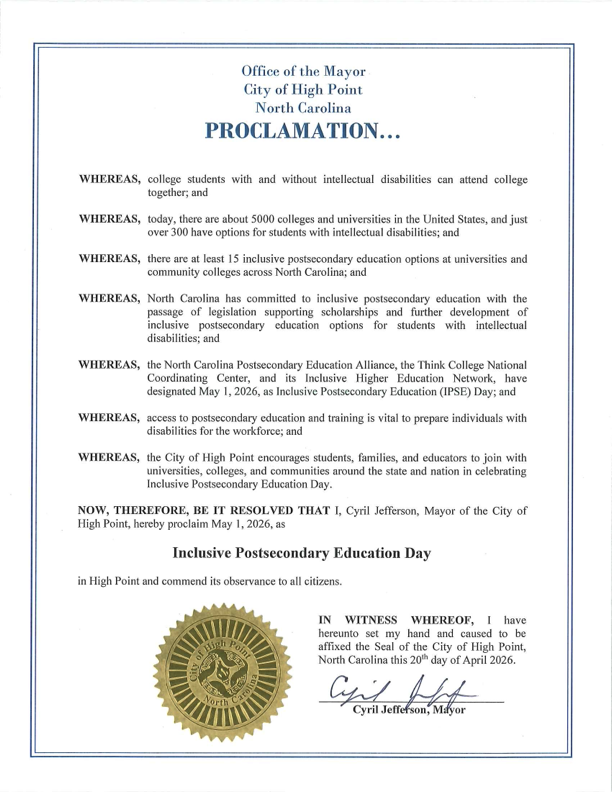
As the group found their places, Mayor Jefferson began his proclamation that centered a transformative education model that both expands and fulfills the University mission.
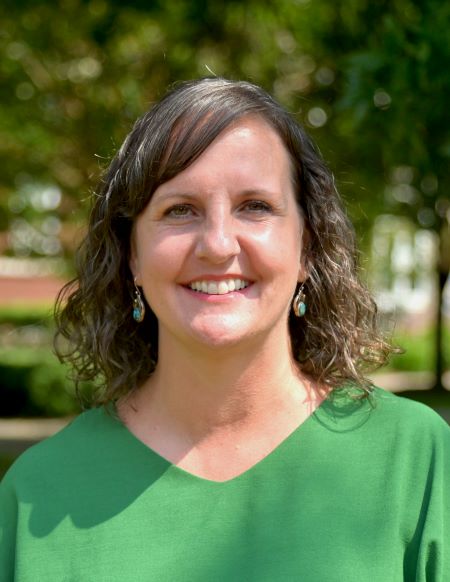
“Whereas college students with and without intellectual disabilities can attend college together,” he began, “and whereas today there are about 5,000 colleges and universities in the United States, and just over 300 have options for students with intellectual disabilities….”
In the jargon of higher education, Jefferson was talking about Inclusive Post-Secondary Education (IPSE). In essence, he was describing an advanced practical and academic curriculum for people with intellectual and developmental disabilities (IDD), like the program administered by Pluff and her team at UNCG.
She and her companions all have a vested interest here. In addition to her duties as UNCG’s IPSE champion, Pluff is president of The Arc of North Carolina, which helps people with IDD achieve their life goals. Stephanie Antkowiak is the Arc of High Point’s executive director. And her son Sam is a graduate of UNCG’s Integrative Community Studies program, the University’s inclusive academic pathway for students with IDD.
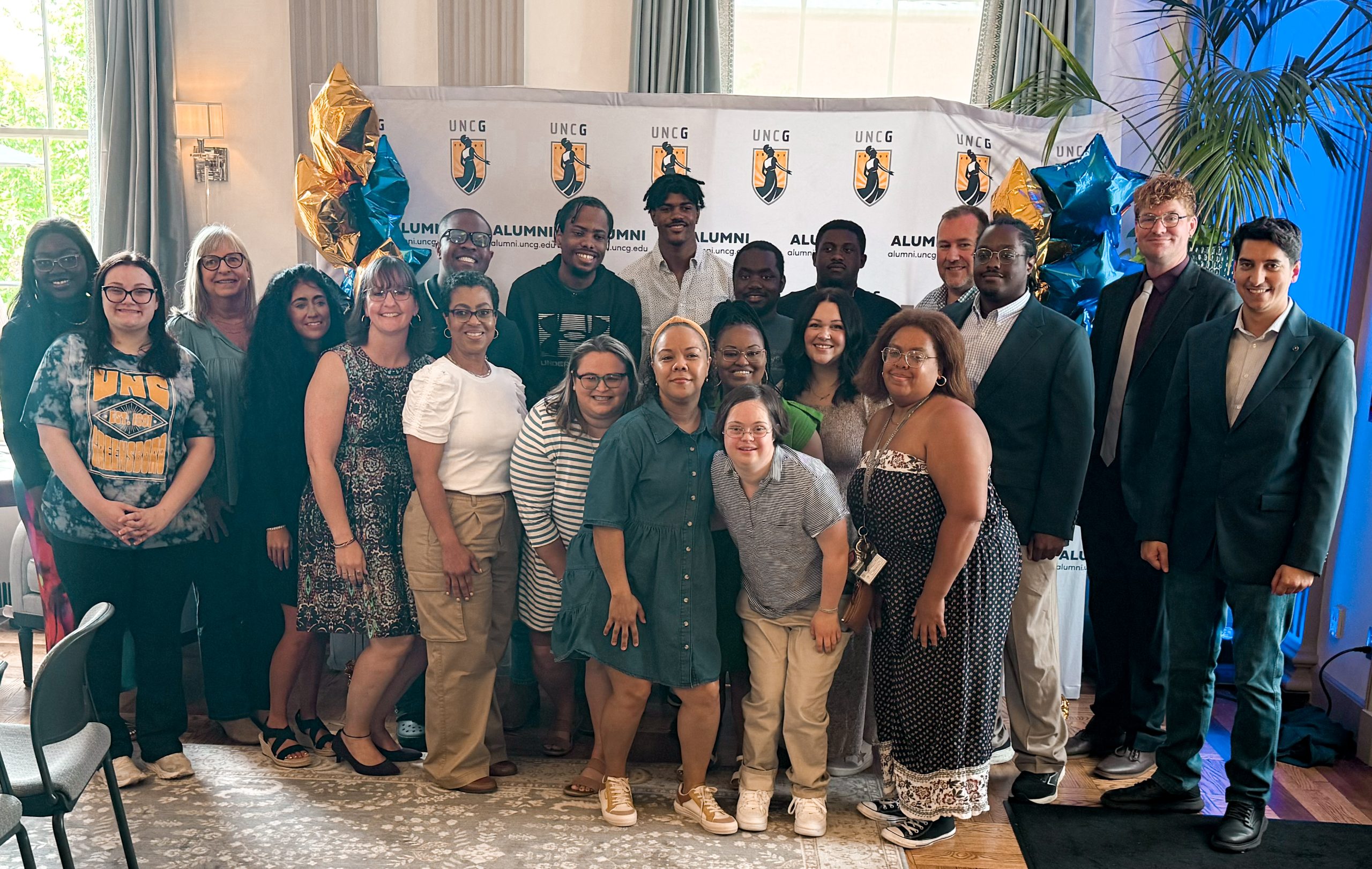
IPSE can be challenging to describe in words, but this collection of people define the program aptly: a government official, representatives from education and the nonprofit sector, and someone whose life was changed because of everyone’s commitment and dedication to the cause.
A national day of recognition
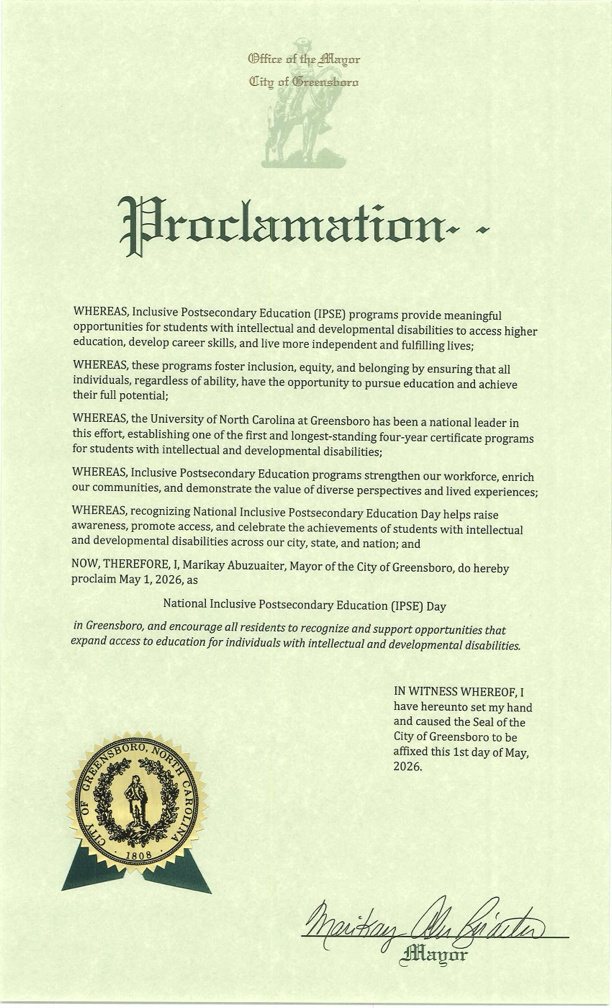
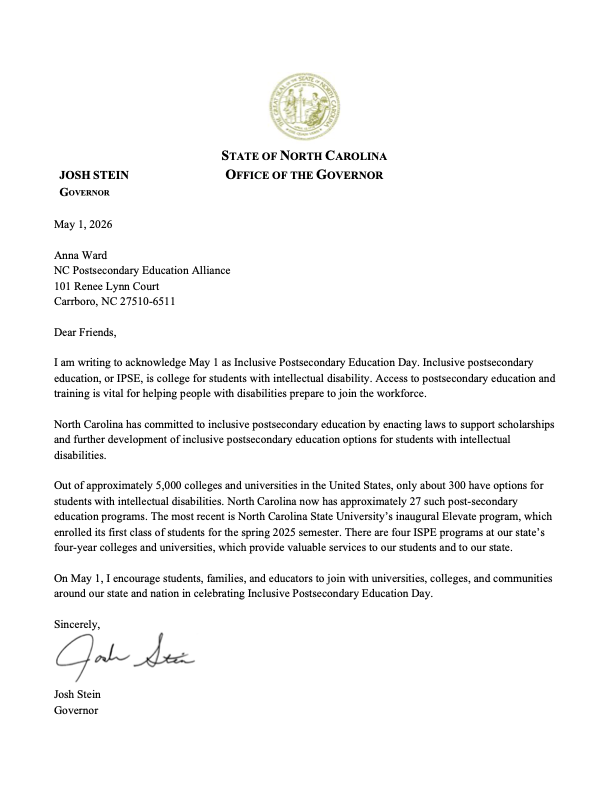
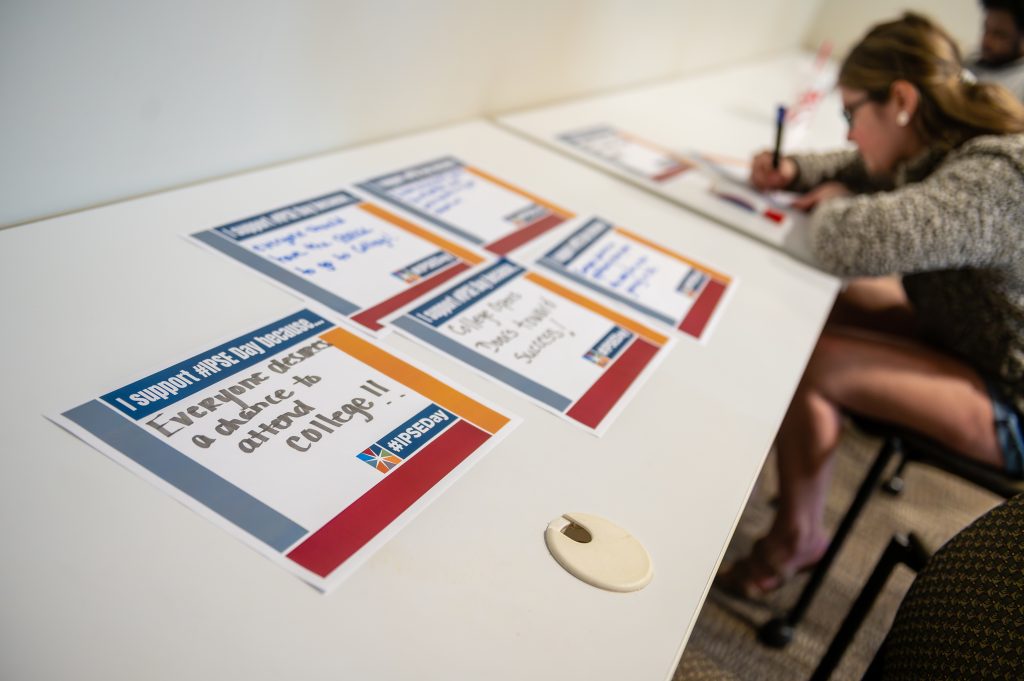
Jefferson’s proclamation, along with one signed by Greensboro Mayor Marikay Abuzuaiter, celebrates May 1 as IPSE Day in the Triad, as it is everywhere else in the United States.
IPSE Day articulates the pressing need to support those with IDD as they become more independent and productive. It is an initiative spearheaded by Think College, a national center that promotes infrastructure to enrich the lives of people with IDD after they age out of primary education.
UNCG has been a part of this enterprise since 2007, a year before the federal government began recognizing programs like this with grants and initiatives. This makes UNCG the first university in North Carolina to launch a 4-year IPSE program. Before then, there was little in the way of education or training after high school for people with IDD in the state.
UNCG’s program is housed under ICS, also known as Beyond Academics, with a mission to provide both real-life and academic experiences that engage students and encourage them to develop to their full potential.
Three pillars of learning
UNCG’s ICS program supports and guides individuals with IDD in three vital areas, Pluff says. “Our three pillars are career development, autonomy and agency, and life planning. The goal is for them to live as independently as possible after graduation.”
Students graduate with a certificate in Integrative Community Studies, issued by the Office of the Provost.
“The ICS Program is just one of the ways that UNCG advances the University mission beyond traditional academics,” said University Provost and Executive Vice Chancellor Alan Boyette. “Like all our graduates, IPSE students make us proud as they turn their potential into achievement.”
While they are at UNCG, the students attend classes, take meals in the dining hall, and live in University housing.
“We use a purposeful housing model, which supports the students in transitioning through different opportunities of living,” Pluff says. “They start on campus typically, and then move into a more traditional type of housing to gain those skills of how to cook and clean, pay the bills, and all of that.”
The career development piece is accomplished through classwork and electives. “Students take a variety of coursework,” Pluff says. “Some are courses that we developed specifically for the certificate, but there are courses available to them from all over the University, depending on their interests and career desires. For example, some students might take some courses in education if they want to go into a teaching support role.”
‘Like any other student’
IPSE students have been diagnosed with a range of IDD such as Down syndrome, Williams syndrome, or cerebral palsy. Autism, Pluff says, is a developmental disability as opposed to an intellectual disability, “so if our students have autism, they also have a co-occurring intellectual disability. But that common denominator is the cognitive or intellectual disability.”
The heart of the program, Pluff says, is inclusion and access.
“There is the idea of inclusion, which is just having a seat at the table,” she says. “But what we are looking for is for our students to truly be part of the community, and a reciprocal part of the community. It’s about true and deep inclusion of folks with varying abilities. UNCG is a very inclusive place. And our students want to make friends and be a part of the community, just like any other student.”
Story by Brian Clarey, University Communications
Photos courtesy UNCG Office of Comprehensive Transition and Postsecondary Education