Dr. Hughes Gives NBA Star an Assist With Old Salem Research
Posted on February 16, 2026
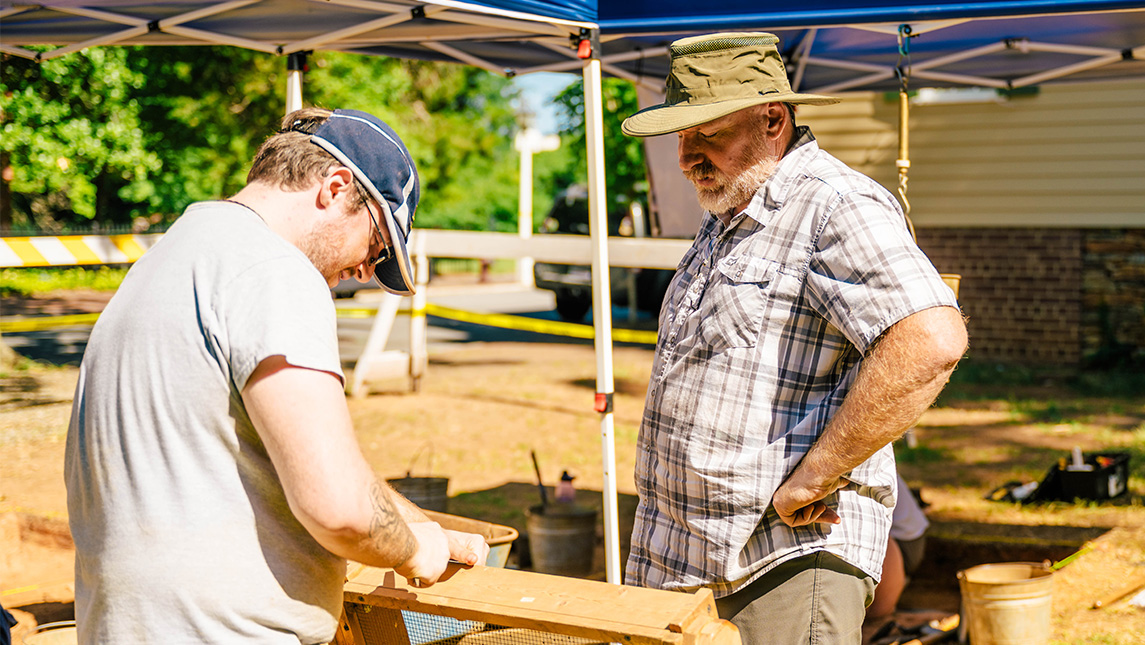
Dr. Geoffrey Hughes does field research with students in Old Salem.
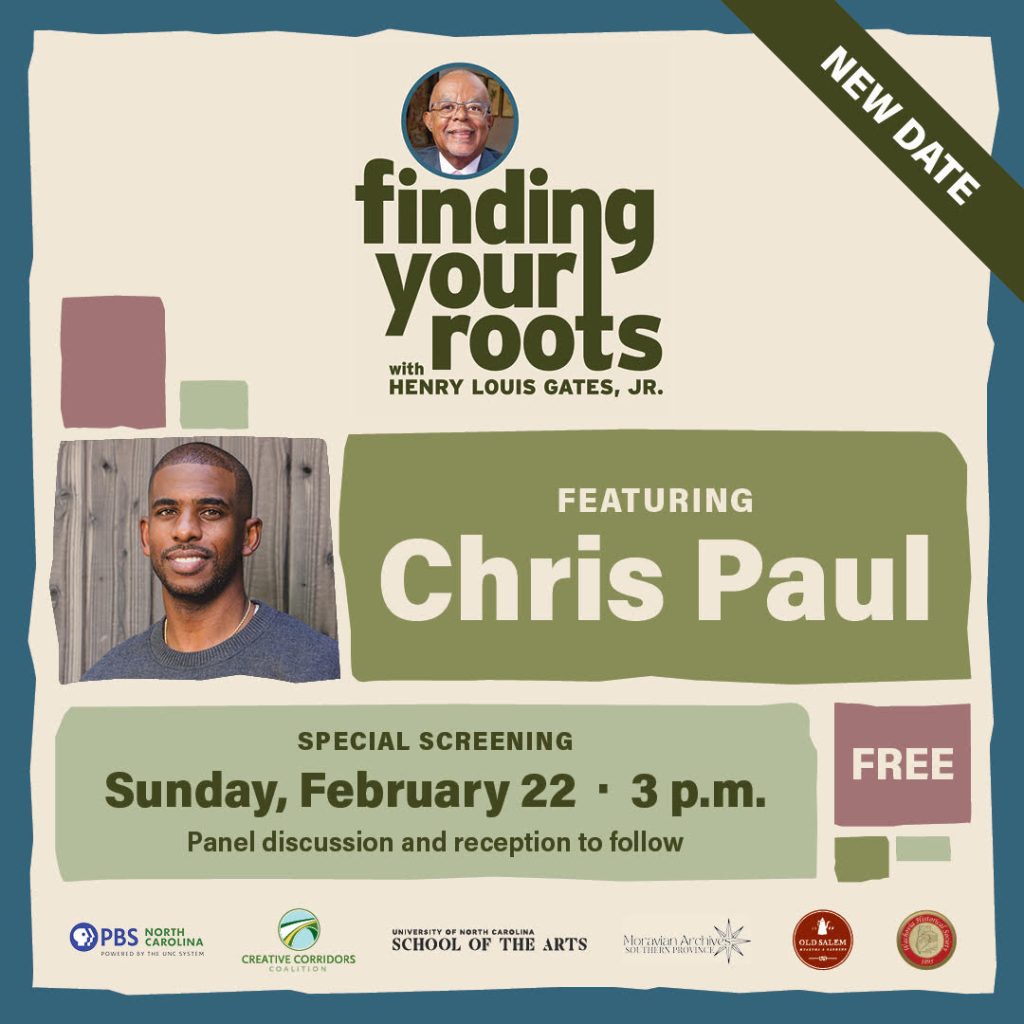
Archaeologist Geoffrey Hughes, Ph.D., lecturer in anthropology, is being featured as an academic expert on an episode of the PBS show Finding Your Roots. His archaeological dig site at Old Salem intersected with the “Point God,” 12-time All-Star Chris Paul.
Paul, a Winston-Salem native who just announced his retirement after 21 seasons, is related to Peter Oliver. Oliver was a slave who labored at Bethabara and Salem. He joined the Moravian church, became a skilled potter, and used his earnings to secure his freedom in Pennsylvania in 1800. He then returned to Salem as a free man.
The Finding Your Roots episode “Love & Basketball” focuses on Paul’s connection to Oliver, with Hughes providing the historical and archaeological information about Peter’s kiln site at Old Salem. Hughes has been conducting field schools at Old Salem. He and his students have been excavating an experimental pottery kiln site at Old Salem Museums & Gardens, which played a crucial role in Peter Oliver’s experience as a potter and his journey to freedom.
Special Find Your Roots Showing
On Sunday, Feb. 22, Hughes will speak at a special screening of the episode “Love & Basketball” at the Main Theater at the Ace Exhibition Complex-UNCSA School of Filmmaking.
Feb. 22, 3–5:30 p.m. 1533 S. Main Street, Winston-Salem
Hughes will serve on a discussion panel at the end of the screening. The audience will also hear from members of Paul’s family and PBS North Carolina staff with a behind-the-scenes look at the episode at its historical context.
The event is free and open to the public, but requires an RSVP. A reception will follow.
“It’s one of the most competitive awards in Southern history,” she says. “I truly didn’t expect it.”
The award, bestowed each November by the Southern Historical Association, recognizes the best dissertation on Southern history defended in the previous calendar year.
Parker’s winning work, “The Intercultural Origins of Health Care in the Antebellum American South,” explores how Native Americans, enslaved Africans and their descendants, and Europeans combined and transformed medical knowledge in ways that still shape American medicine today.
The project was directed by Dr. Greg O’Brien, professor and department head of history. “It’s a coup for our department,” O’Brien says. “This prize is typically dominated by flagship institutions and Ivy Leagues.” The distinction places Parker and the university’s graduate history program among the strongest in the nation.
The C. Vann Woodward Prize recognizes scholarship that advances the field. Parker’s project does so by bringing together three medical traditions that historians often study separately: Native American botanical and spiritual healing practices, African and African-descended healing knowledge developed during and after enslavement, and European medical traditions transplanted to the Americas.
“No one had ever tried to integrate all three,” O’Brien explains. “We’ve had studies of enslaved healers, studies of European medicine, and studies of Native medicine—but not a comprehensive picture. Jewel created one.”
America’s medical history
Parker traced the history of Native Southerners as the region’s first medical experts. Their knowledge—built through thousands of years of experimentation with local plants and ecosystems—became the foundation on which European settlers and enslaved Africans learned to heal in the Americas.
“Newcomers arrived with no understanding of the plants, animals, or environment,” she says. “Native communities had already built vast stores of knowledge. Without them, settlers wouldn’t have known how to survive.”
Imagine encountering—with no prior knowledge of its existence—a rattlesnake.
Cherokee and Choctaw healers, says Parker, warned Europeans when they arrived about the dangers the snakes posed. They also identified roots that could help with bite severity if applied quickly.
“Our modern pharmacopeia still relies on compounds derived from botanical remedies used by these communities,” Parker says. “That history has largely been forgotten. My goal was to recover the origins of the medicines we use today and give credit where it’s due.”
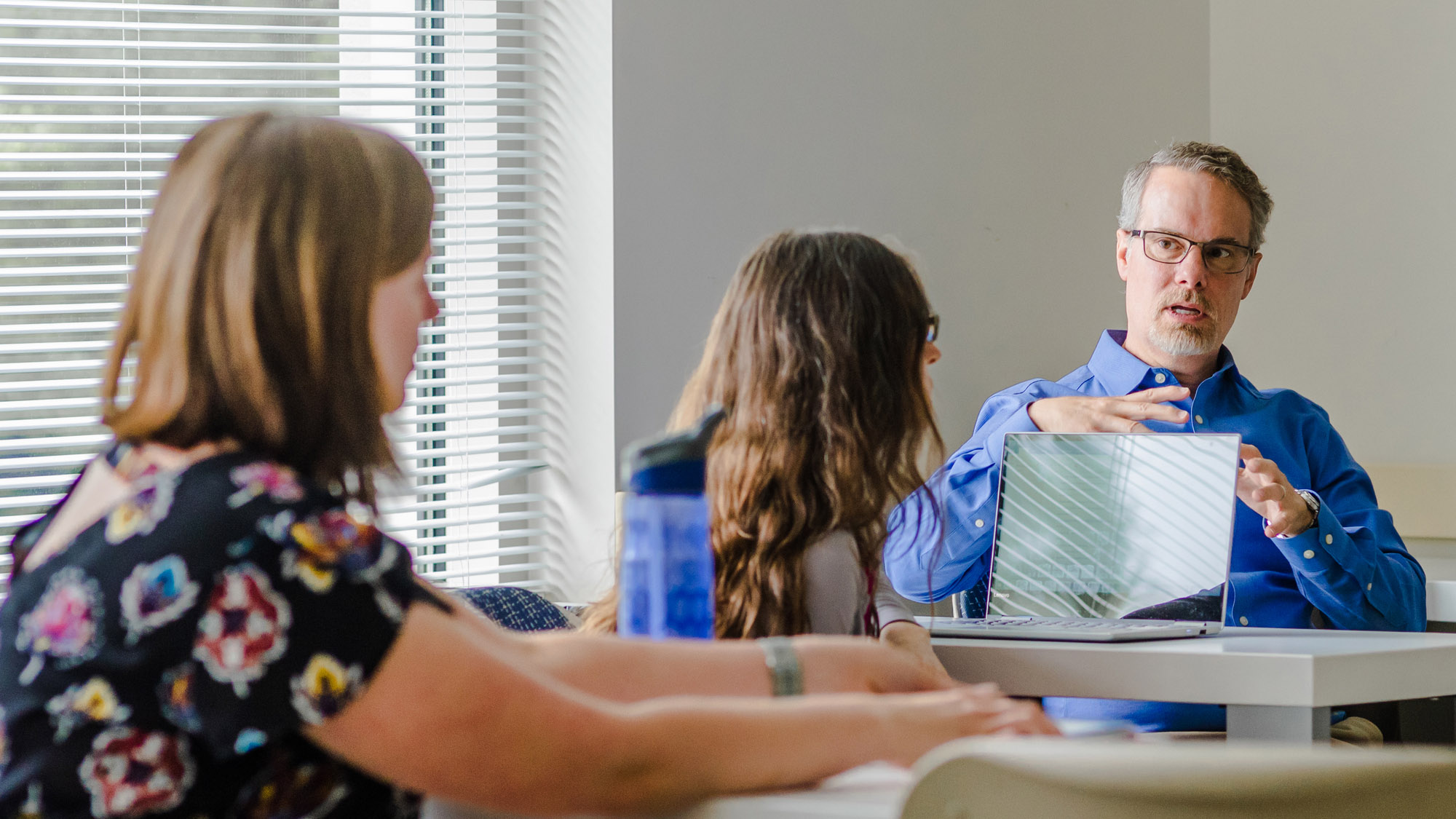
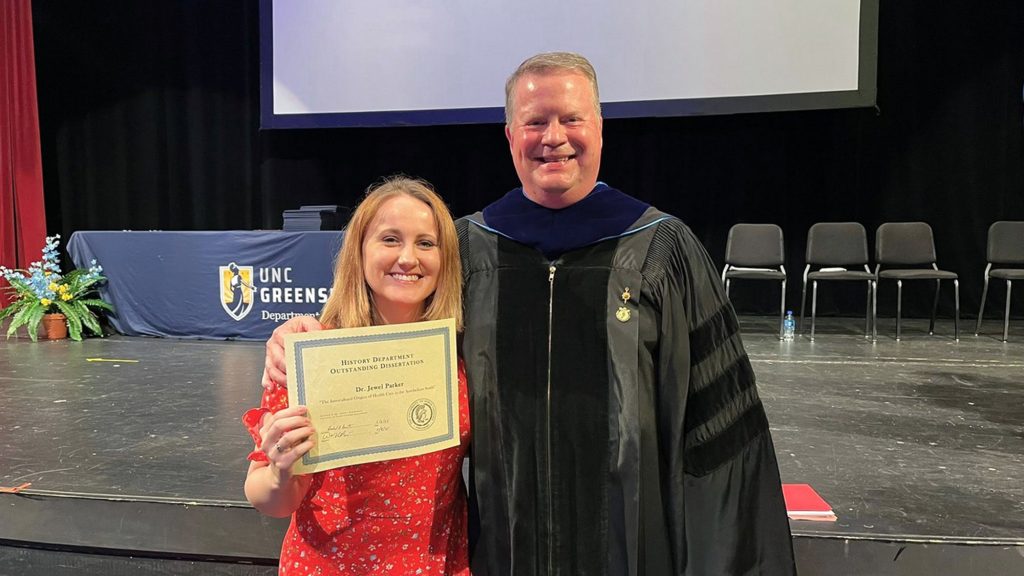
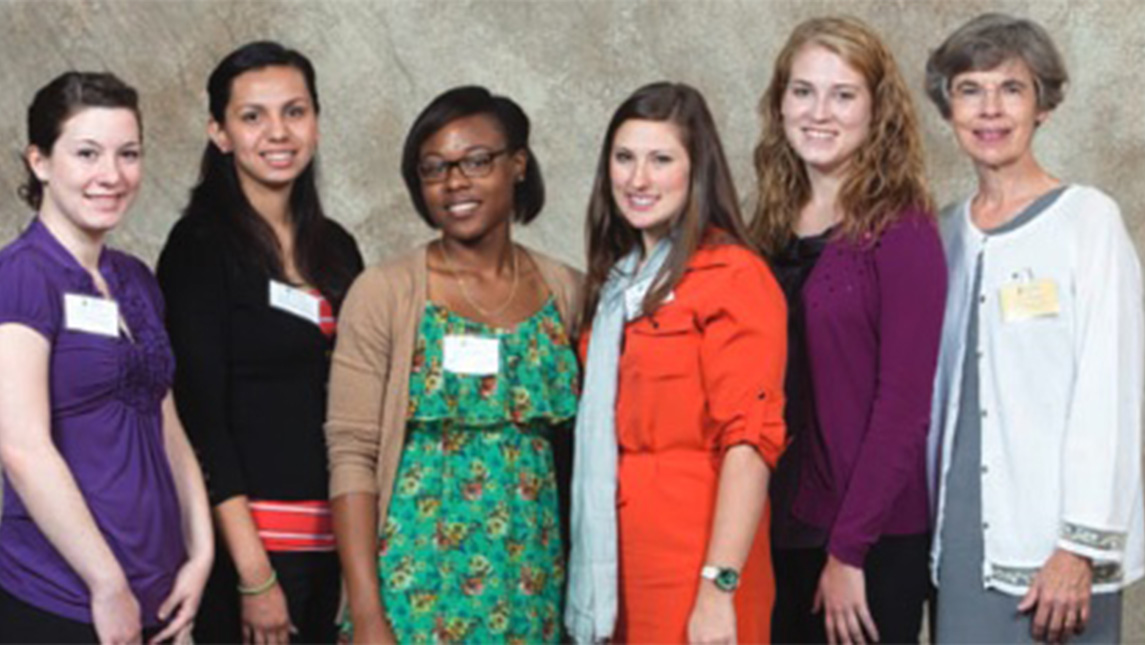
Parker and O’Brien
Examples in Parker’s dissertation include American ginseng, valued for pain relief and overharvested after settlers learned of its medicinal uses, and willow bark, used by Native healers for its pain-reducing properties long before its active compound inspired modern aspirin.
The botanical practices were sometimes learned through trade and intermarriage, sometimes observed and recorded, and sometimes extracted under coercive or exploitative conditions.
Parker’s work highlights this complex, everyday intercultural exchange that shaped the region’s medical landscape.
Ultimately, she hopes her efforts encourage scholars and the public alike to rethink the origins of American health care.
“Our modern medicines are deeply rooted in Native and African knowledge,” she says. “We should remember that, honor it, and continue learning from it.”
A national honor rooted in UNCG Training
For Parker, who now teaches at Appalachian State University, her path to the award began long before her dissertation defense. She credits O’Brien’s mentorship as essential to her success.
During her time at UNCG, he encouraged her to apply for competitive funding—and to make a case for why her work mattered. The results funded her to travel to archives across the country, where she uncovered the documents that brought her project to life.
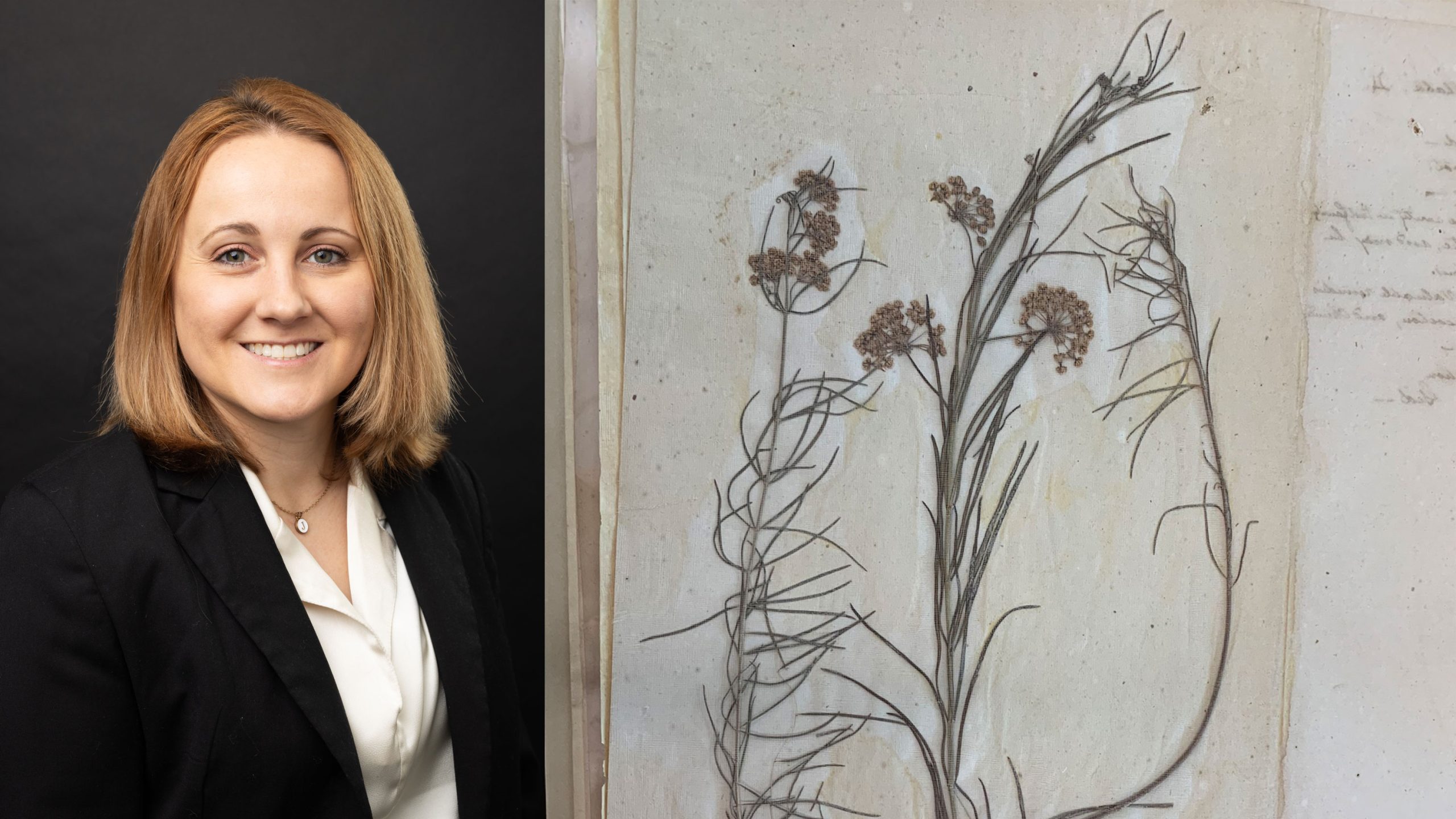
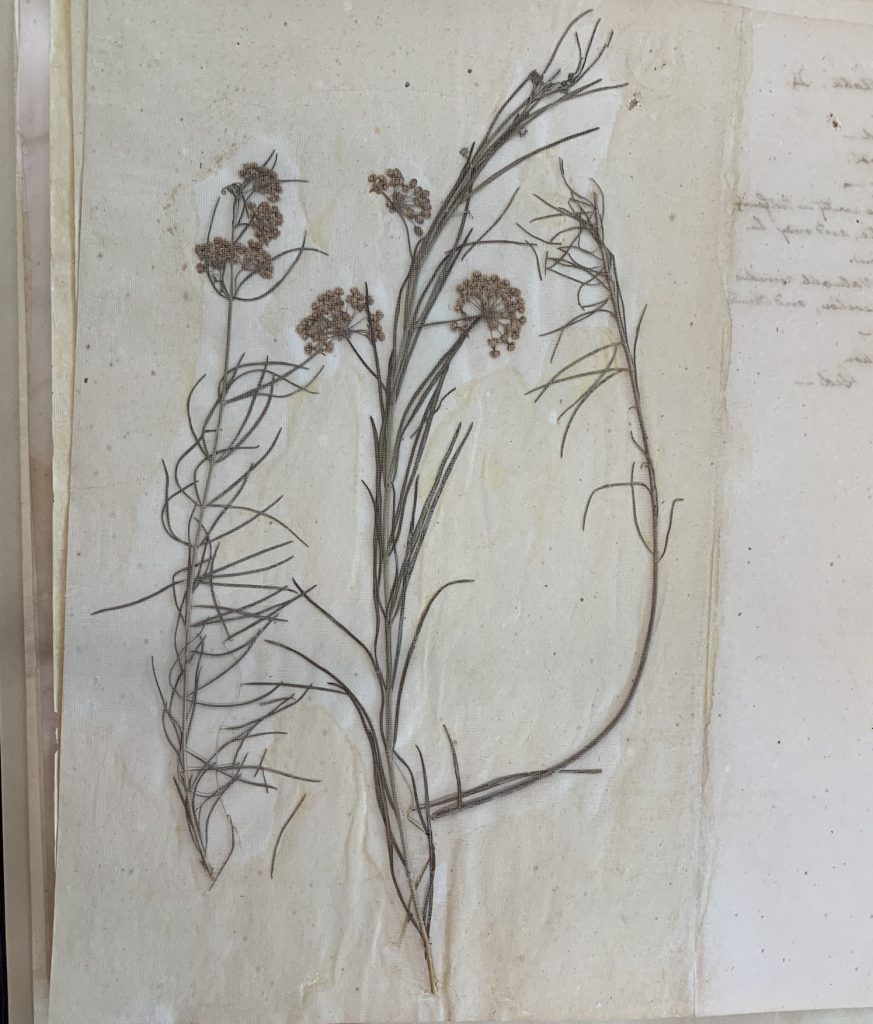
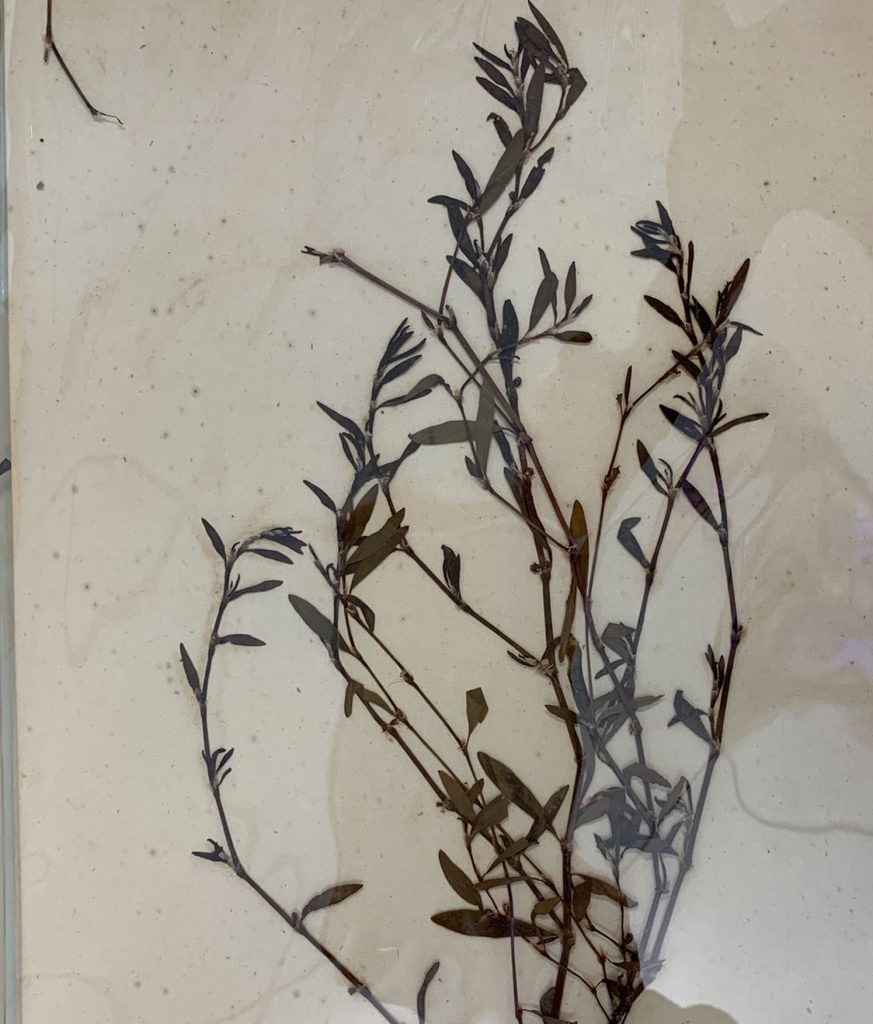
Samples of pink snakeroot, rattlesnake master, and knottgrass (l-r) from the Gideon Lincecum Collection at the UT Austin Briscoe Center. “Lincecum was a physician who spent some time living among the Choctaws in Mississippi and learning directly from a Choctaw doctor,” says Parker. “He writes that the Choctaws viewed pink snakeroot as one of their most valuable remedies against snakebite, while rattlesnake master was a Muscogee remedy. Knottgrass was a Choctaw remedy for preventing miscarriages.”
“UNCG faculty were incredibly supportive,” Parker says. “Dr. O’Brien pushed me academically, helped me secure research funding, and taught me how to communicate my work clearly. That mentorship shaped the historian I became.”
Her gratitude is shared: O’Brien won the UNCG Excellence in Graduate Mentoring Award in spring 2025, with Parker as one of the students who nominated him.
For the UNCG Department of History, Parker’s award is a testament to the university’s strength in training graduate students for high-impact careers.
“She did innovative, important work,” O’Brien says. “It’s exciting to see the wider field recognize that. This award is a major accomplishment for her—and a real point of pride for our department.”
By Sierra Collins, Division of Research and Engagement
Eighth Pathways and Partnerships Cohort Highlights Refugee Communities, Church Preservation
Posted on February 06, 2026
Project members conduct oral histories with Strieby community members in Randolph County.
The Institute for Community and Economic Engagement (ICEE), in collaboration with the Division of Research and Engagement, welcomes its 8th cohort for the Community-Engaged Pathways and Partnerships (P2), a collective scholarship fellows program.
ICEE received the largest number of applications in the history of the grant, with nine very strong proposals. A multi-tier review process was completed by a committee of community partners, staff, and faculty from multiple disciplines. The two programs selected bring together communities spanning the Piedmont region and faculty representing six UNCG departments.
Find more information about the research and members of each team on the ICEE website.
Kayah Theh Du Theh Tu: Growing in Wisdom Together
Theh Du Theh Tu (TDTT), which translated means “to grow in wisdom,” focuses on the Triad’s Karenni community, an indigenous ethnic group from Myanmar who became refugees due to ever-increasing persecution and ethnic cleansing in their homeland.
The partnership connects the Bamboo Roots community organization, the Karenni Community of Winston-Salem, and UNCG’s Departments of Public Health Education, Social Work, and Kinesiology. The team aims to strengthen the relationship between UNCG and the Karenni community and address community-identified priorities.
The Strieby Cultural Heritage Collaborative
Based in Randolph county, NC, the Strieby Cultural Heritage team consists of lifelong community members, the Strieby Congregational Church, School, and Cemetery Cultural Heritage Site, and the Departments of Ancient Mediterranean Studies & Archaeology, Anthropology, History, and Geography, Environment, and Sustainability.
This team aims to document the cemetery, locate the schoolhouse foundation, collect oral histories, and construct an on-site interpretive exhibit. Building on extensive archival research by Strieby community members, the initiative integrates archaeological fieldwork, geophysical survey, and digital humanities.
Mary Jo Helfers, a clinical nurse professor who passed away in 2023, continues to guide the paths of UNCG School of Nursing students. She first established the Mary Jo Helfers Endowed Scholarship in 2013 to honor her great aunt, and an estate gift is now increasing the endowment.
Body Image, Self Worth, Healthy Eating Round Out February Employee Wellness Events
Posted on February 16, 2026
Valentine’s Day sentiments carry on through UNCG’s employee wellness program. Before February ends, you can take part in guided meditation, an esports day, an expert talk on healthy fats, and a women’s table talk on body image and self-worth, led by UNCG’s psychology faculty, Dr. Janet Boseovski and Dr. Ashleigh Gallagher.
Deadlines for Undergraduate Research Opportunities
Posted on February 09, 2026
Undergraduate Research, Scholarship and Creativity advises students and their faculty mentors to jump on two opportunities to get their work in front of the community. Deadlines for the Undergrad Research and Creativity Awards and the Carolyn & Norwood Thomas Undergraduate Research and Creativity Expo are in February.
Undergrad Research and Creativity Awards
URCA helps faculty and students partner in meaningful projects that result in advances in understanding within their discipline or field of study. This funding can be used to help defray the cost of material expenses, travel expenses, or can be used to provide a stipend for the students.
Students can receive up to $5,000 in funding for up to two of the following funding periods: summer session I, summer session II, fall, and spring. The funding maximums are $2,500 for each of the summer sessions and $1,500 for the fall or spring semesters. Faculty can request up to $500 in support of the project’s cost.
The deadline to apply is Feb. 16.
Undergraduate Research and Creativity Expo
The Carolyn & Norwood Thomas Undergraduate Research and Creativity Expo is the campus-wide celebration of undergraduate research, scholarship, and creative activities. All students engaged in faculty-mentored scholarly inquiry are encouraged to participate. They have the chance to place first through third in seven categories, each of which grants them a monetary award.
The deadline to sing up is Feb. 18.
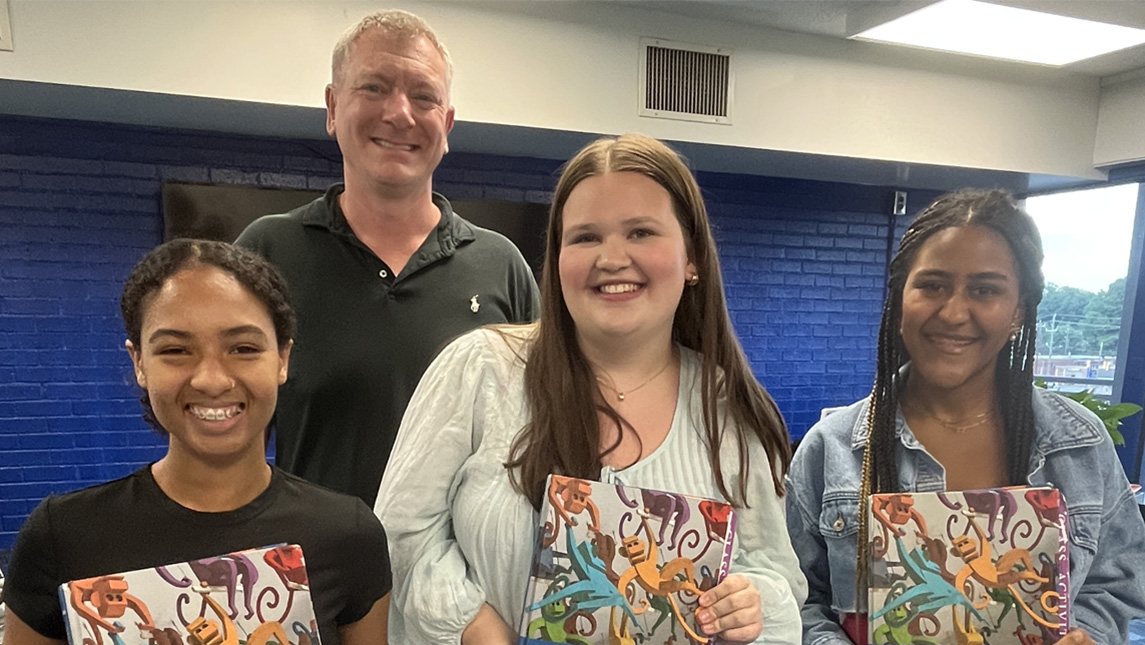
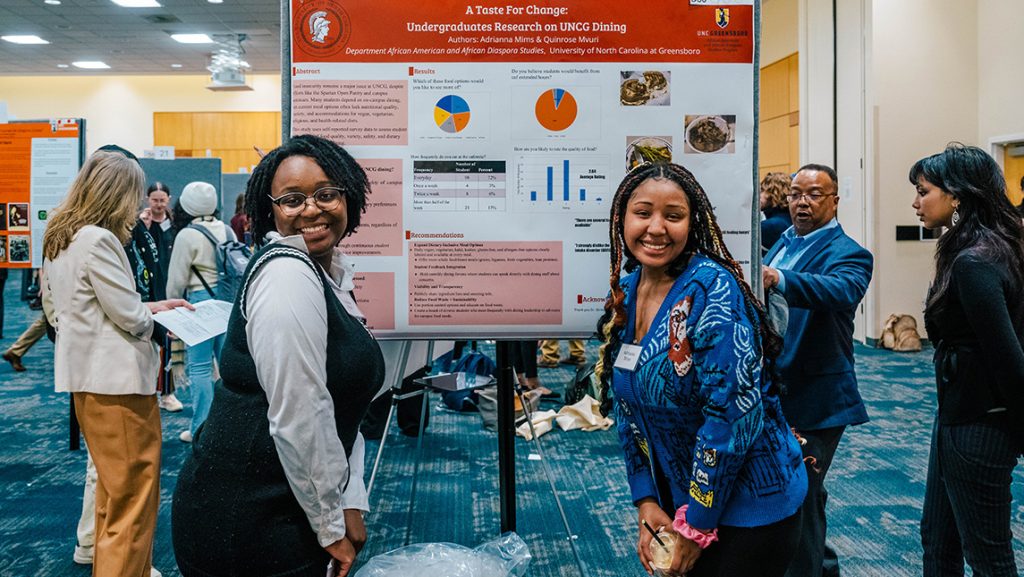
Quinrose Mvuri and Adrianna Mims placed first in the 2025 expo’s humanities category.
Whether you love or hate winter weather, all can agree that central North Carolina has experienced an unprecedented couple of weeks. But thanks to committed essential staff and a responsive facilities team, it’s been an unforgettable time for Spartan students who live on campus.
Ice, Ice, Baby
Spartan “snowmageddon” began on Jan. 24 as the Triad region braced for Winter Storm Fern with forecasts of ice and threats of power outages. What started as freezing rain on Saturday vacillated between snow and bouncing balls of sleet through Sunday. Fortunately, the trees and power lines were not badly affected. However, the campus was covered in approximately two inches of snow and ice. And unlike typical North Carolina winter accumulation, this would stick around for a while as overnight temperatures dipped into the teens throughout the week.
Even before the storm arrived, UNCG staff sprang into action, making sure students living on campus stayed safe. Students staying on campus were instructed to move their vehicles to the decks to make the roads easier to clear. Facilities Management crews salted roads and walkways, Housing and Residence Life (HRL) staff planned for essential workers to stay on campus to serve students, and Spartan Dining stocked up to ensure there would be food no matter what the storm brought.
“Within Facilities, we had multiple meetings with leadership and staff to assure all available equipment, supplies and personnel were available when needed,” said Jon Soter, Director of UNCG Facilities Operations. “In accordance with our winter storm plan, the first priority was to provide safe access from the residence halls to Moran Commons, followed by providing safe access to all the buildings on campus for faculty, staff and students.”
Snow & Ice Removal By the Numbers:
226 facilities employees 9,800 man-hours clocked over 10 days
7.5 miles of streets cleared 150K feet of sidewalks cleared 40 acres of parking lots cleared
Don’t Worry Be Happy
Thanks to the University’s careful planning, students and their families didn’t have to worry. When lingering ice on the roadways moved classes to remote for most of the week, the students’ biggest concerns were being stuck inside during the bitter cold.
These worries were swiftly mediated by UNCG Coordinators of Residence Life (CRL), who arranged for pop-up events like Jaden Simmon’s music bingo at the Haywood Clubhouse with Italian ice refreshments, Gabrielle Burrow’s DIY coffee pop-up for North and South Spencer residents, and Allyson Walker’s work–out class at Tower Village for students who missed the gym.
More than 30 students in Cone Residence Hall played Grocery Bingo as they waited for the ice storm to arrive on Saturday, Jan. 24. CRL Yahira Robinson planned the event to assuage her residents’ fears about running out of snacks during the storm. Seven winners walked away with full bags of groceries and all who participated left with at least one snack to eat over the weekend.
Robinson also planned a Mocktail Monday pop-up that drew a crowd of 50 residents. “Students just wanted a way to feel connected while having virtual classes and being stuck in the halls during the snow,” she said. This week, she’s planning to lead an exercise class in the Cone Dance Studio, where participants can learn a beginner-friendly version of the Dallas Cowboy Cheerleaders’ Thunderstruck routine.
Let it snow
The campus remained under Condition 2 for most of the week, with non-essential staff and classes operating virtually. But before students, faculty and staff had a chance to catch their breath, local meteorologists were forecasting another approaching storm. Winter Storm Gianna arrived on Saturday, Jan. 31, bringing snow totals that reached 10 inches at UNCG.
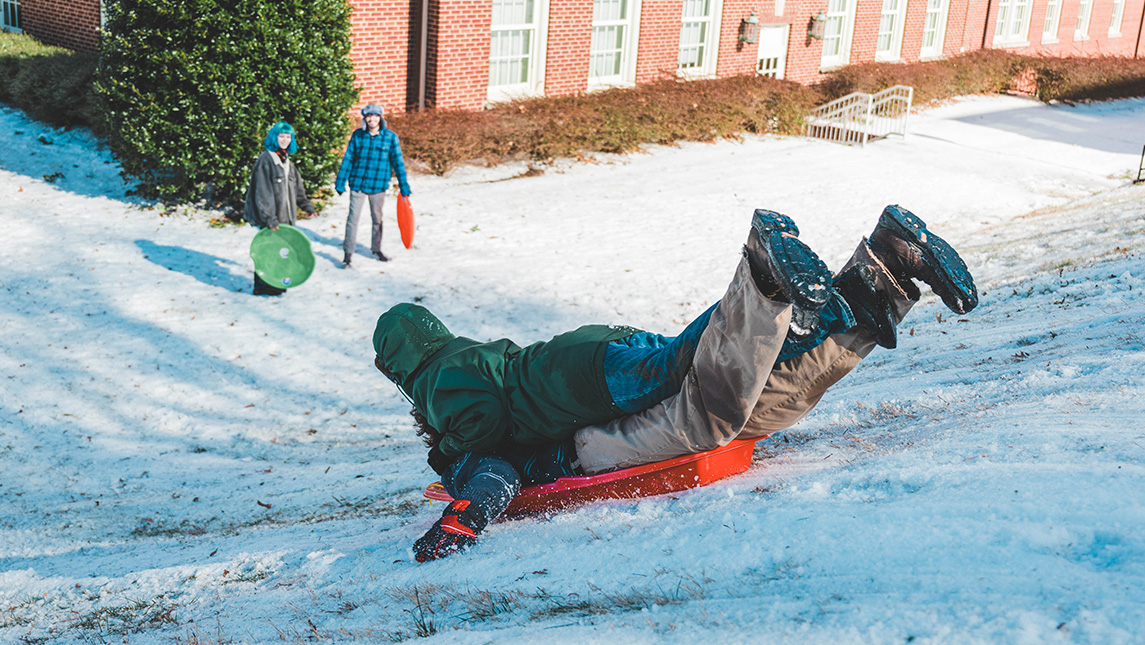
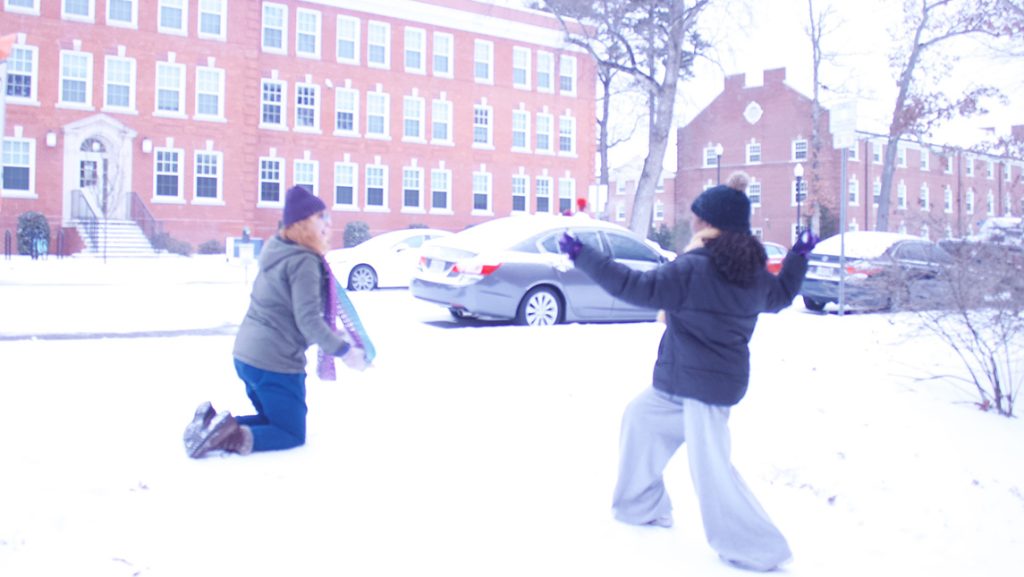
Unlike the previous weekend’s ice storm, this was the kind of dry, fluffy snow that North Carolinians see every 20 years or so, and it fell constantly from the early morning until after dark. Without the threat of power outages and under the care of essential staff, who had been keeping the campus safe and warm all week, the effects of Gianna brought out the kid in everyone. Students and staff alike marveled at the white blanket of snow that transformed the campus into a magical sight.
Grace Wiggins and friends.Katie Stern with friend.Photo by Sean Norona.Yahira Robinson snowboards on a box top.Photos submitted by students, except for bottom left by Sean Norona.
Student Brittany Jarrell couldn’t wait to sled and make a snowman with her friends. Not everyone had a sled, so they got creative. Jarrell’s CRL, Robinson, grabbed a storage tote and lid from under her bed, and the group headed to College Ave to hit the slopes.
Katie Stern, a first-year from Greensboro, could’ve easily gone home during the storm but says it never crossed her mind. “I’ve been on campus for all the snow days,” she said. “My friends and I have had a blast!”
Snow and ice accumulations from both storms led officials to keep classes remote for another week, as the University continues to operate under Condition 2 through Saturday, Feb. 7. It’s a smart decision for a region that isn’t equipped for heavy snow removal, and one that keeps the safety of staff and students the ultimate priority.
(Getting By) With A Little Help From My Friends
Throughout both storms and despite suspended employee operations, Spartan Dining kept Fountain View Dining Hall and other campus restaurants open to feed students and the hardworking staff who spent days clearing pathways and keeping everyone safe. Student associates stepped up to cover for employees who couldn’t travel safely to work.
Hot Meals Served by Spartan Dining:
First Storm: 6,970 over 4 days
Second Storm: 5,100 over 3 days
Irakoze Mireye, a student associate at Panda Express, called it a sign of unity. “Coming together and helping students eat is what we are here to do,” she said.
“The past two weekends were tough with the storm, but our team really came together,” one student associate said while on shift. “I’m proud we could still serve the UNCG community and be there when it mattered.”
Story by Becky Deakins, University Communications. Video by David Row, University Communications.
UNCG Nursing Innovates Training to Improve Maternal Health Outcomes
Posted on January 26, 2026
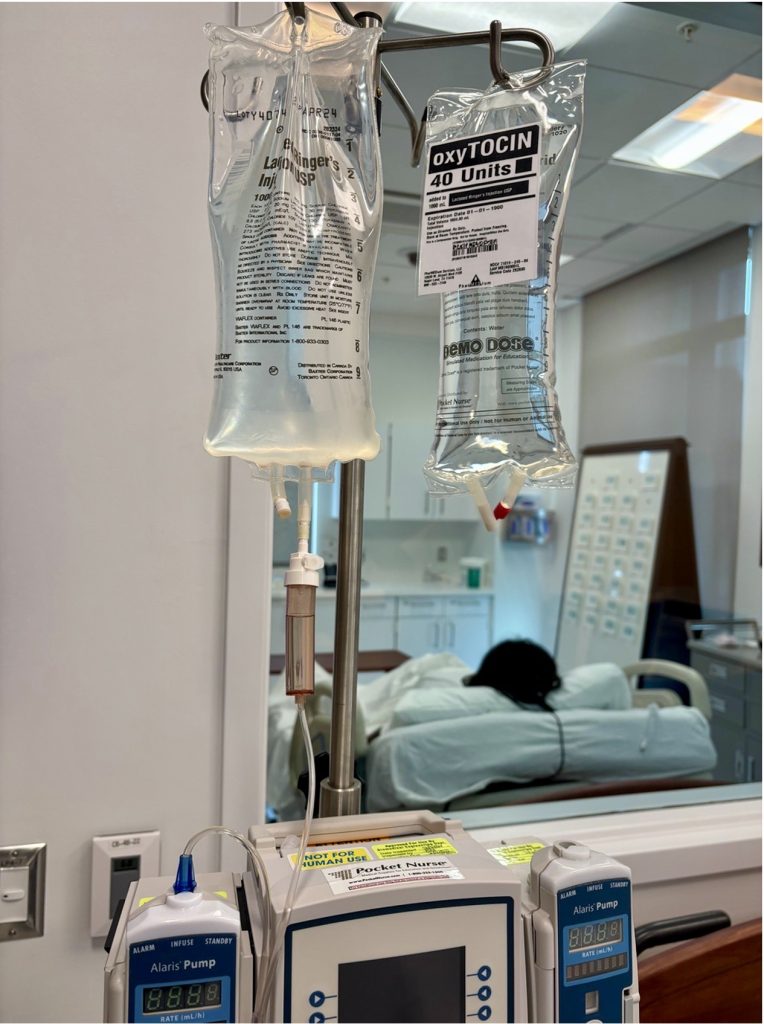
North Carolina’s maternal mortality rate has risen significantly in recent years, and UNCGSchool of Nursing (SON) faculty are developing new simulation‑based training to better prepare nurses to respond to postpartum hemorrhage — the leading cause of maternal deaths.
Postpartum hemorrhage (PPH) occurs in 1 to 6 percent of all deliveries. Responding to PPH requires rapid recognition, rapid intervention, and a collaborative effort by involved medical staff.
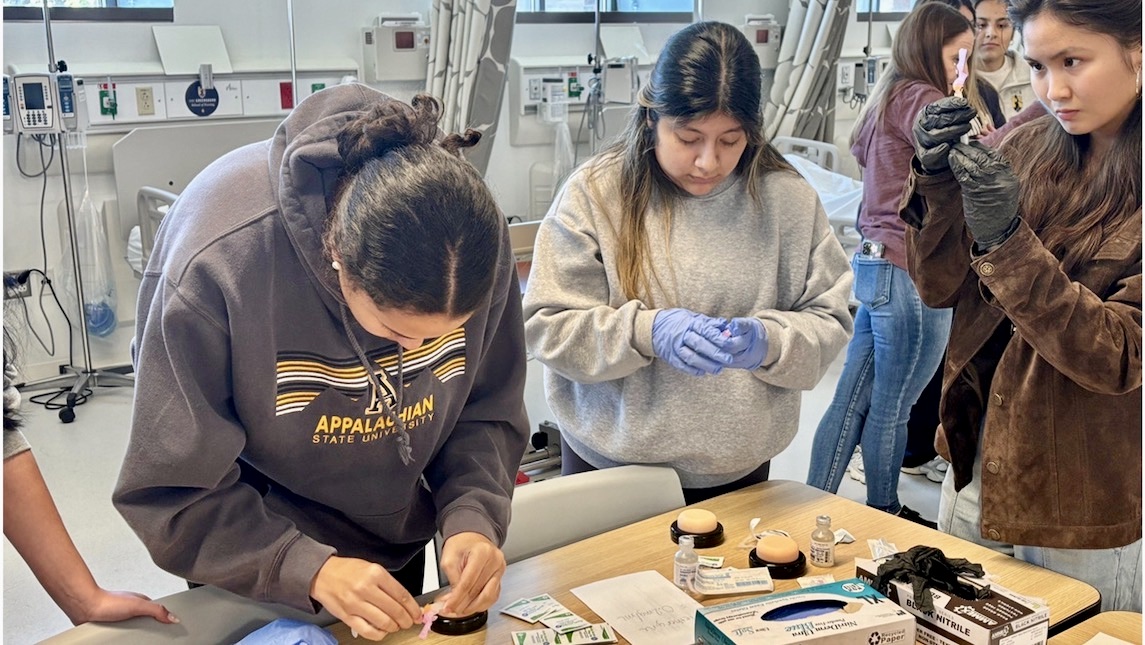
It’s why Assistant Professors Tammy Hall and Lisa Anders piloted a Rapid Cycle Deliberate Practice (RCDP) to teach nursing students an intervention practice to help prevent PPH.
The results have proved impressive.
Postpartum Hemorrhage Training Addresses Maternal Mortality
In late December 2025, the Centers for Medicare and Medicaid Services (CMS) awarded North Carolina $213 million in federal funding to improve health care for its rural residents.
Hall and Anders’ efforts align with a major initiative of the NC Department of Health and Human Services (NCDHHS)’s Rural Health Transformation Program (NCRHTP), which includes improving maternal health.
The professors recently presented their RCDP work to the UNCG Board of Trustees’ Academic Affairs Committee, with SON student Isabella Valles, and at the Association of Women’s Health, Obstetric and Neonatal Nurses (AWHONN) Convention, reviewing how the SON pilot trained nurses to activate an effective sequence to respond to PPH.
“Risk assessment must start early because the best way to prevent deaths is to prevent complications from happening at all,” Hall explains. “If that doesn’t work, the nurse needs to be able to recognize symptoms early and react quickly.”
To achieve this, she developed an RCDP to help nursing students learn the stepwise interventions to PPH. RCDP is a simulation-based instruction framework originally developed at Johns Hopkins University and also used by the military.
What is unique about this training is its routine of repeated cycles of practice and feedback.
Why RCDP is a Unique Training Method for Postpartum Hemorrhage
In traditional simulations, the student is given a scenario, administers cares to the patient, and is then debriefed with no opportunity to re-do the work.
“With RCDP, a student starts the sequence, but if they miss a step, we stop the student immediately, conduct a short debrief, and then start over,” says Anders. “We keep doing the sequence until it is second nature.”
This type of training can rapidly improve clinical skills and is particularly effective for learning interventions for high-stakes, time sensitive situations, like a patient hemorrhage.
“With this training, a nurse can intervene quickly without having to read a document or listen for a callout,” Hall says. “They know it like the back of their hand.”
RCDP Pilot Results at a Glance
Faster response times during PPH simulations
Higher student confidence levels
Improved retention of PPH intervention steps
Positive feedback from LEAD MCH scholars
How UNCG Implemented the RCDP Pilot for PPH Training
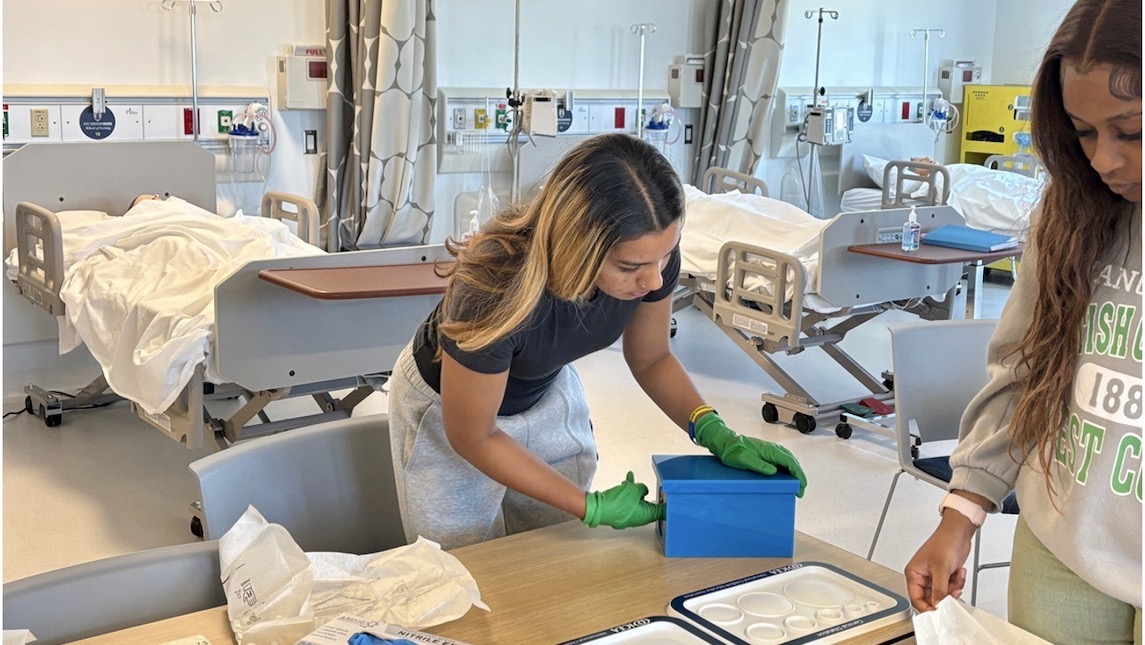
The RCDP pilot occurred in three definitive sessions over a few months. Fifteen undergraduate SON juniors and seniors participated, all of whom had either completed or were enrolled in the OB Didactic course and had received PPH didactic information.
The RCDP pilot contained three steps: review of PPH and its causes and intervention, tabletop simulation relay races, and the RCDP cycle. Students also participated in a pre- and post-RCDP survey.
“In the didactic portion, students reviewed PPH pathophysiology and etiologies and studied a detailed intervention sequence,” says Hall. “They also learned the rationale for each step in the sequence.” And this is by no means an easy sequence. Anders reveals there are 28 steps in the first two stages alone.
Both the quantitative and qualitative feedback Halls and Anders collected indicated positive results for the pilot. Not only did the team improve their response times, but students reported they thought the pre-work was important and that the training increased their confidence.
UNCG Nursing Students Leading Innovations in Maternal Care
Anders also heads up the Leadership Education and Diversity (LEAD) in Maternal Child Health (MCH) program. The first implementation of RCDP was piloted by a small group of MCH Scholars.
LEAD in MCH is a Health Resources & Services Administration (HRSA) funded program, annually recruiting 10 students, named MCH Scholars, with the goal of preparing them for career and graduate education in maternal healthcare.
Both Hall and Anders’ passion around significantly improving maternal outcomes and effectively training nursing students is apparent.
“I would like to expand the offering, engaging even more students in the training as well as bringing in bedside nurses to expand their skills alongside of our students — and make it interprofessional,” says Anders.
The professors would also like to conduct a follow-up simulation to examine retention of the PPH intervention skills.
Written by Amy Burtch, AMBCopy Photography by UNC-Greensboro School of Nursing
Back-to-back snowstorms won’t cancel Valentine’s Day outings for UNC Greensboro students, though they might delay things a bit.
Now that campus is digging out of what Winter Storms Fern and Gianna left behind, students are itching for activities that promote love, friendship, and self-love, whether they be serious or lighthearted.
UNCG rescheduled its events to celebrate the Season of Love. In keeping with its commitment to a culture of care, some of those activities will follow theme of Spartan Well-Being, reminding students to take the time and make sure they’re looking out for their mental and emotional needs after the bad weather knocked them out of their routine and kept them indoors, separated from friends.
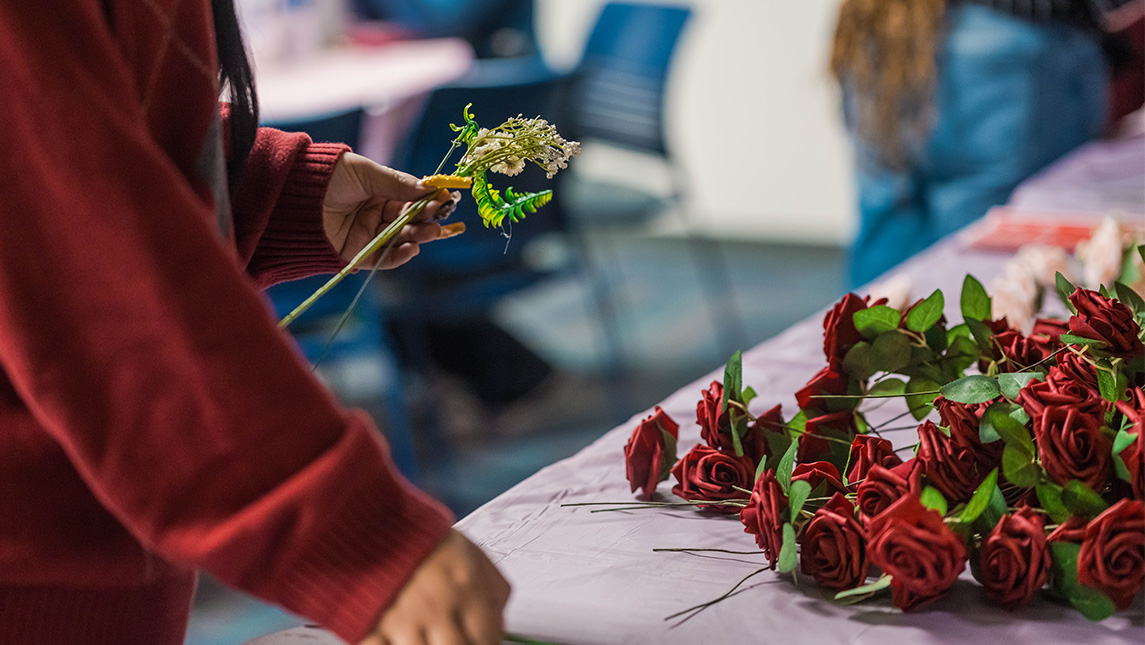
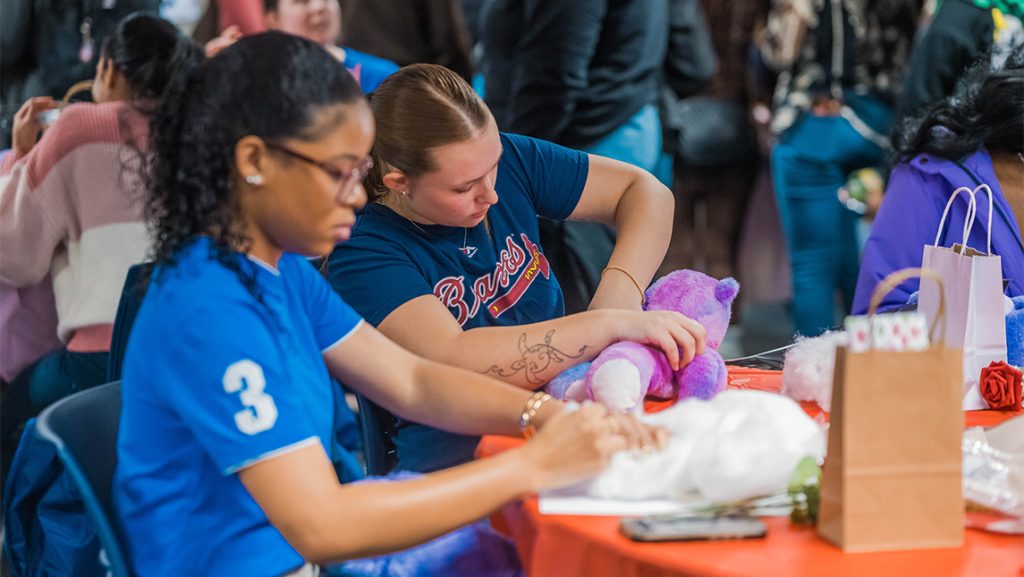
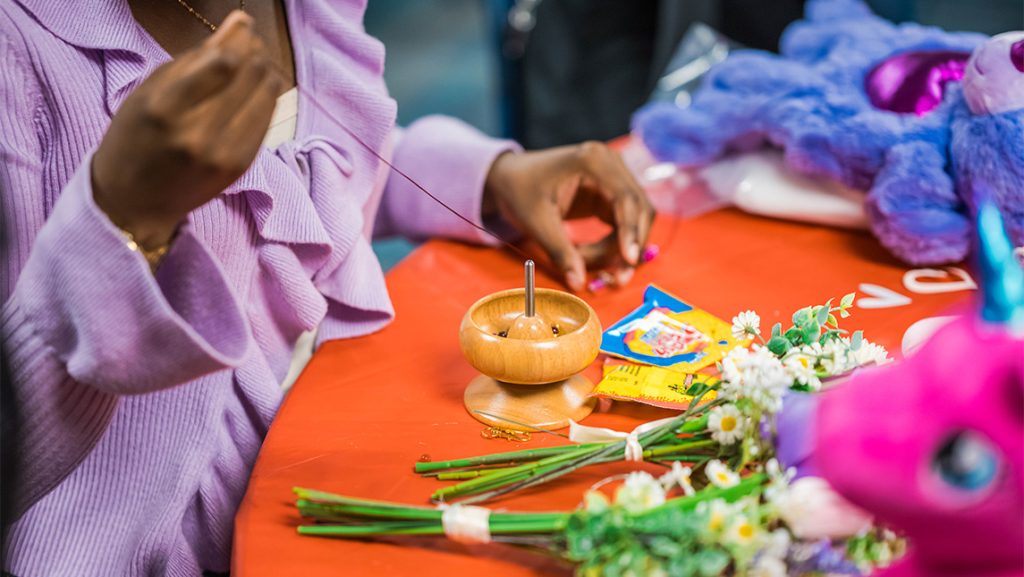
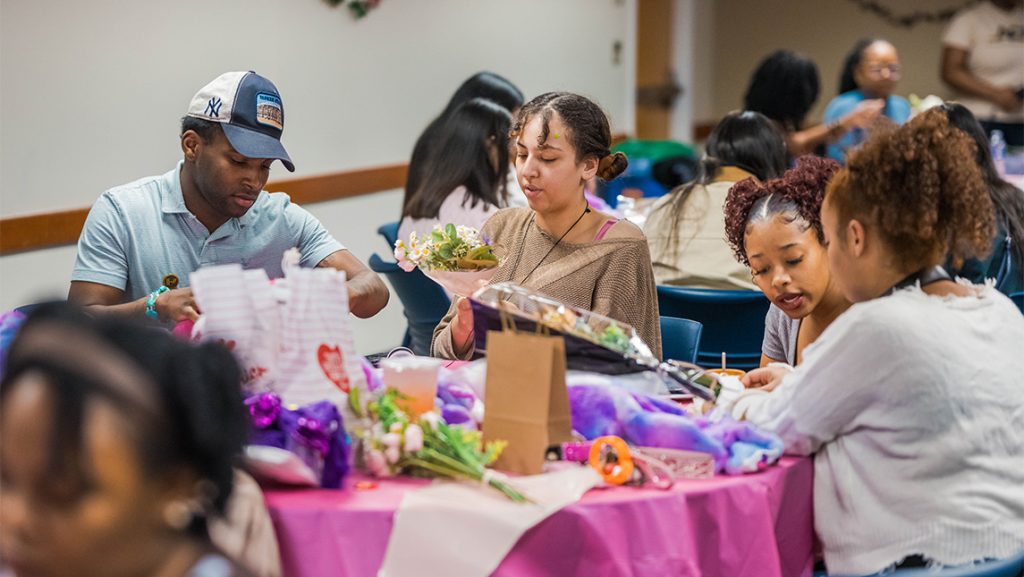
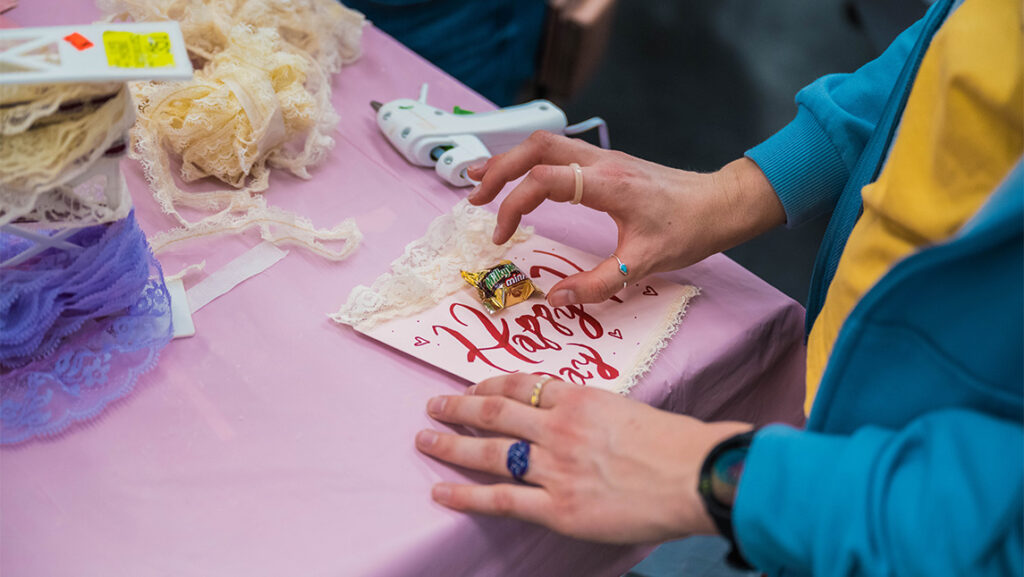
Crafting during Bloom & Be You, hosted by ACE.
Countdown to Valentine’s Day
Cupid’s Card Service Monday, Feb. 9, 2–5 p.m. EUC Alexander Room
Stop by and write a Valentine. It can go to yourself or someone else. Activities and Campus Events (ACE) will provide the cards, pens, stickers, and more to unleash your creativity.
Love is… Alpha Chi Omega Table Tuesday, Feb. 10, 11 a.m.–Noon College Avenue
The sorority will have a philanthropy table out along the path. They invite everyone to stop for a few minutes and chat about how healthy relationships are built on respect, support, and empowerment.
Bloom & Be You Tuesday, Feb. 10, 2–5 p.m. EUC Alexander Room
ACE hosts a warm, creative, and uplifting Valentine’s Day-inspired event focused on self-love, reflection, and empowerment. Students can drop in any time to take part in crafts and activities reminding them of their priorities: flower bouquet making, writing Valentines with positive messages for themselves, bracelet and keychain making, and designing self-love boards to explore strengths and intentions for the new year.
HHSci Valentines Bake Sale Wednesday, Feb 11, 9 a.m.–Noon EUC Commons
The Human Health Sciences student group is raising funds for club activities and initiatives. Students can choose from a variety of baked treats and learn more about getting involved in HHSci.
The National Alliance on Mental Illness invites everyone to join them in writing postcards for themselves, addressed to the past, present, or future, in honor of Valentine’s Day
Love Gloves & Love Letters Friday, Feb. 13, 10:30 a.m.–1:30 p.m. Fountain View Dining
Spartan Well-Being and the Campus Violence Response Center team up to create a Love Letter and Affirmations Board. On the way to grab lunch, students can take a letter or leave a letter, taking the opportunity to show someone how much they care about them.
LOCKET Valentine Speed Dating Friday, Feb. 13, 12:30 p.m.–8:30 p.m. Nursing Instructional Building 101
All afternoon, the Lesbians on Campus Konnection and Engagement Team (LOCKET) are hosting a fun game about making new friends or finding a soulmate. Registration starts at 12:30 p.m.
Alpha Chi Omega Love Letters Friday, Feb. 13, 5–7 p.m. School of Education Building 206
Check out the sorority’s recruitment and philanthropy event focused on connection and giving back. Guests can meet the sisters and write a letter to themselves or a message of encouragement for the Clara House, a temporary housing resource for women and child victims of domestic violence.
Love is Blind Friday, Feb. 20, 5:30–8:30 p.m. EUC Claxton Room
This game by the student group LegacyCreators is all about fun, mystery, and genuine connection. Contestants will participate in a blindfolded speed-dating experience. Participants use each round to talk, laugh, or connect without seeing each other. At the end of the rounds, each chooses the one with whom they felt the strongest connection, and then the blindfolds come off.
Story by Janet Imrick, University Communications Photography by Sean Norona, University Communications
Do you know a colleague who is passionate about making a difference on campus? Through Feb. 26, Staff Senate is seeking nominations for new members. This is a great opportunity for staff to have a voice in university initiatives, advocate for colleagues, and help shape our workplace community.