This free series offers globally themed sessions to enhance the professional and personal development of campus members and the public. It features speakers from UNCG and the community with unique insights into global topics. Bring lunch. Participants have the option of attending in person or virtually.
Your Voice, Your Vision: Dining Opens Annual Survey
Posted on October 03, 2025
Spartan Dining want your feedback. It invites all students, faculty, and staff to take part in the annual “Voice to Vision Survey,” now open through Oct. 31. This is your chance to share your thoughts, ideas, and feedback to help shape the future of dining on campus.
Your input will directly influence menus, services, and programs designed to enhance your dining experience. The survey takes just a few minutes to complete, and every response makes a difference.
Take the survey today and encourage your friends, colleagues, and classmates to join in. Let your voice guide the vision for dining at UNCG!
Nutrition Researcher’s Groundbreaking Discovery about Donor Breastmilk
Posted on October 02, 2025
The findings of Associate Professor Maryanne Perrin regarding the timing and nutritional content of donor milk by country could help hospitals improve care for babies born preterm.
Undergraduates Reflect on the Impact of Their Summer Research
Posted on September 30, 2025
Summer Undergraduate Research Celebration
For burgeoning researchers at UNC Greensboro, summer is no time to take a break.
And the University, which values the time for undergraduates to do their own independent research, guides them in prioritizing this work without creating a financial burden.
Summer stipends from the Undergraduate Research and Scholarship Creativity Office (URSCO) make it all possible. Thanks to those – and strong relationships with their faculty – students can spend their breaks from classes engaged in high-impact experiences known to correlate to higher grades, a greater likelihood of graduation, and readiness for graduate or professional schools and careers.
“Undergraduate research is one of the most impactful and life-changing activities for a student,” says Marie Foscue Rourk Distinguished Professor Mitch Croatt, Ph.D., who serves as director of URSCO. “Similar to most faculty, I can personally attest to undergraduate research opening doors that I didn’t even know existed.”
“This is a paid opportunity,” says biochemistry major Jasmin Grillo, “A chance for you to get some savings under your belt. I would tell a freshman, ‘If you think this is something you want to do in your future, put as much time into it as you can. Get that background so you can put yourself ahead.'”
“It’s a good push for us to make a difference in the world,” says Ryan Hargrove, a biology senior studying the medicinal properties of ginger plants.
On Aug. 20, the participants celebrated with a dinner in the Alumni House, catching up with friends from Lloyd international Honors College and sharing their summer research experiences.
At the Crossroad of Art and Nature: Aminah Coppage and Mallory Cox
This year, with fellow art student Mallory Cox, they catalogued the current plants and added new ones in Peabody Park. They also worked on the first steps to install a bee fountain, using clay from a nearby stream as a locally-sourced construction material.
“Hopefully many more pollinators will have access to the area, a place to rest and nest,” says Coppage.
What does garden research have to do with an art degree? For Coppage and Cox it allowed them to use their talents in conjunction with the natural world. Coppage plans to use plant materials like mulberries to make paint dyes. “We’ll be incorporating our art styles into it to enhance the outer part of the fountain and attract more people to the garden, while also making a space mainly for pollinators and animals,” she explains.
Coppage learned about the garden through Sobsey, an associate professor of photography who spoke to her art history seminar class. That discussion connected with Coppage on a deeply personal level.
“My mom got me into herbalism and nature,” she explains. “Her name was Astria Coppage, and she passed in 2023. She taught me about teas. A lot of plants in the garden, like the yarrow, I’ve used to make teas.”
Support from the campus has been strong. Along with Sobsey and Webb, Kaira Wagoner, Ph.D., a research scientist in biology, set them up with the Bee Campus team. Even Cox’s dog Pip pitched in and helped dig holes.
Coppage lives in Durham now, but she says the opportunity was worth the hour-long commute to Greensboro during the summer. Coppage hopes their work will inspire other students to take initiative in campus sustainability projects and contribute to UNCG’s legacy of environmental stewardship.
“Being in nature, getting the chance and support to learn more about plants, that’s something that brings me joy,” says Coppage.
Grillo wants to be part of the effort to make labs more environmentally sustainable. Some scientists believe enzymes could move green chemistry forward because they are renewable and biodegradable.
“It could be great for medicinal chemistry and organic chemistry,” Grillo explains. “We’d be able to introduce catalysts, using enzymes instead of completely organic solvents. The catalysts could be reused and reused.”
This summer, she focused on the spd7 gene, which encodes the protein that methylates at least one of the oxygens found on sporidesmin’s structure. This summer, she purified her target protein via nickel-affinity chromatography column to purify the protein and get it ready for additional research this semester. This toxin, produced by the fungus Pseudopithomyces chartarum, is known to impact pastures located in the Southern Hemisphere, which impacts the health of livestock.
Grillo’s introduction to her biochemistry lab was a tad unorthodox. The Skeptical Chemistry Club, of which she is president this year, held a “shadow night” in the fall to introduce students to different labs. That night, Grillo had a conflict. But later, one of her friends excitedly told her about going to the lab of Chemistry and Biochemistry Department Head Jason Reddick.
“She was like, ‘It was super cool. He has all this really cool machinery, and he works with bacteria and fungi and all these projects,'” she reflects.
Intrigued, Grillo asked Reddick how to join the lab. He was interested but told her as a first-year student, she would have to wait. Then, in her second semester, she asked again while taking his general chemistry course and was accepted.
She has worked closely with graduate students to learn the ins and outs of the lab and the procedures, and she was excited to dedicate the summer to her own project. Between this research and her teaching assistant job, she feels more confident in her knowledge of organic chemistry, which she will need to excel in her senior year and, eventually, as a graduate student. “I was able to put these skills – with all the opportunities I got in the past – to work this summer. It made me realize what I was capable of.”
And she’s happy to work on something new that could also improve chemistry practice. “Working toward something that could benefit others is really important to me. That’s what keeps me going into the lab even if I’m having a hard day. I’m doing meaningful work every day.”
Lots of people use ginger to treat aches and pains. Ryan Hargrove, a senior majoring in biology, saw it as a perfect launching pad to leap into biomedical research. “I was always interested in looking into how gingerol or ginger roots had healing properties to treat stomach aches, headaches,” he says.
Gingerol, the compound in ginger believed to alleviate those pains, has been researched before. However, many of those findings and data, Hargrove says, are not concrete. One issue is that ginger plants don’t all produce the same amount of gingerol, so the impact of ginger on humans varies also. “I wanted to see how my data will compare to the rest.”
The Komatsu lab was the perfect place for him to explore this interest. She researches how ecosystems adapt to change, including due to competition, consumers, availability of resources, and climate change. Komatsu was the one who recommended the summer undergrad research program to Hargrove. “She told me, ‘This is a great opportunity to join disciplinary honors and do your own research, then present it and get honors credit,'” he says.
During the spring semester, Hargrove planted his ginger specimens. Then he spent the summer monitoring how different factors – shade, drought, and herbivores – affected their growth. He planted four sets: one control, and others manipulated to receive less sunlight, water, or herbivore control. Then he measured the amount of gingerol the different specimens were producing using high-performance liquid chromatography.
Some of the results from the summer surprised him, with plants that he thought would have been negatively impacted thriving more than he expected. With these findings and the positive feedback of URSCO staff and his lab team, he feels motivated to take his research to the next level in his final semester at UNCG.
He says Komatsu and her lab team created a great environment for research as an undergrad, and he’s grateful that they pushed him to go the extra mile, especially since he wants to lay a foundation for applying to medical school one day. “I know that those schools love students who have already done research,” he says.
And he’s happy to study something that could matter to many people, given gingerol’s use for headaches, stomach aches, and other ailments. “URSCO definitely has given us the opportunity to grow within society,” he says.
Story by Janet Imrick, University Communications Photography by Mitch Croatt, Ph.D., URSCO
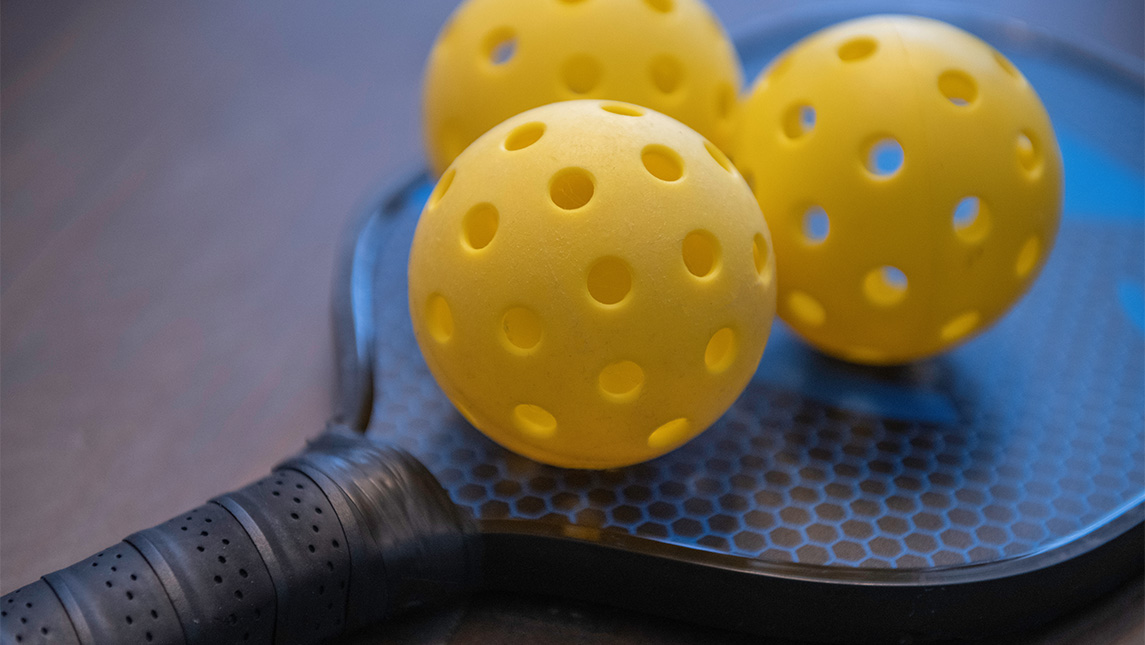
The UNCG Police Department is thrilled to partner with the Dean of Students Office, the Department of Recreation and Wellness, and the UNCG Pickleball Club to host the First Annual Pickleball Tournament on Nov. 8 from Noon–6 p.m. at the Kaplan Center.
This exciting event is more than just a competition. It’s a fundraiser aimed at supporting the Spartan Food Insecurity Fund and the Spartan Assistance for Emergencies (SAFE) Fund. Police are planning a team-based, double elimination-style tournament and hope to welcome around 30 teams. Teams cost $20 per student and $40 per community member.
Participation is open to students, staff, and the general public, so spread the word and sign up now! Use the QR code below or the sign-up form.
Sept. 25 is National Food Service Workers Day, a day dedicated to celebrating those who work in one of the largest industries in the U.S. No matter the eating establishment, one thing remains certain: It takes time, dedication, and commitment from those workers to serve in so many capacities.
At UNCG Dining Services, work takes the form of restocking inventory, supporting new hires, and ensuring customer satisfaction, all while catering to hundreds of hungry students, staff, and faculty each day. But behind the hustle of it all are hearts rooted in hospitality and a deep consideration for others.
Get to know some of the faces that keep Spartan Dining running smoothly for our campus community and guests who stop by for a quick bite. With the help of a few light-hearted questions, we get a peek into the charm and character that bring Dining Services to life. Whether it’s at Fountain View, the EUC Food Court, or one of the Spartan Markets, these team members help make every meal possible.
LaKesha Moyer – Bojangles Supervisor
Lived in Greensboro for 25 years
Favorite moments with students?
When students come into Bojangles and tell me about their day, I like having conversations while they’re waiting for their food.
What is your favorite pastime?
Reading books, watching NFL football, or NCAA College basketball.
What is your favorite theme day at the caf?
Fried Chicken Wednesday because I love the competition between the CAF and Bojangles.
What other jobs have you done?
CNA, phlebotomist, medical driver, and cleaning buildings.
What meal would you get from Fountain View if you were a student?
Hibachi, but I prefer a four-piece supreme combo with a free bo-berry biscuit from Bojangles.
If you could share one piece of advice with students about developing a strong work ethic, what would it be?
Make sure you are on time for work. It shows professionalism, develops your leadership skills, and helps with the team. It also shows that you are dependable.
Did you know?
At UNCG, 5,500 students, staff, faculty, and community members are served each day by 325 hourly associates, 40% of them being student workers. It can be easy to miss the intentional effort put into every detail of the Spartan Dining experience, especially when your mind is set on your next class, a study session, or an early morning workout.
Team member LaKesha Moyer offers a glimpse into her day-to-day work as a Bojangles supervisor. “The day starts with arriving at the store by 6 a.m., setting up the kitchen before opening at 7:30 a.m.,” she says. Her morning includes managing staff arrivals, leading team meetings to review the day’s agenda, and monitoring food quality and safety. “Around lunchtime, I focus on making sure the food is coming out on time, and that it’s fresh, while also coordinating lunch breaks,” she adds. In the afternoon, she prepares to transition her responsibilities to the night lead, sharing updates on staffing, food temperatures, and any operational needs essential to maintaining the shift.
“Being a supervisor can be stressful and involves more than just giving orders, but it’s taught me leadership, patience, and teamwork skills I can carry with me anywhere,” she says.
Robert Durant – Fountain View Dining Hall Sous-Chef
Lived in Greensboro for 5 years
What is your favorite dessert/candy?
Cheesecake, easy answer.
What is your favorite theme day at the caf?
Either Fried Chicken Wednesday or Fried Fish Friday. The dining hall gets so full, and I really just get to people-watch.
What does a typical day look like for you?
I wake up, shower and dress, then come to work. After six hours of fun, I go home, take care of my animals, and then sleep to do it all over again.
What has kept you here?
The coworkers I have and the love of cooking I’ve gained from my time here.
How do you usually feel after a shift?
Tired, sleepy, but fulfilled.
If you could share one piece of advice with students about developing a strong work ethic, what would it be?
Never take it personally. We deal with so many ups and downs, so many shake-ups, personalities, and different situations. But you can either choose to see a setback as a loss or a lesson. You can get upset at one but learn from the other.
Beyond the Countertop
For many team members, building connections with students and sharing meaningful interactions can brighten even the longest days. EUC Food Court Assistant Manager Shay Eleazer recalls how creating lasting memories with customers and staff has kept her going.
“My favorite moments with students are when I get to bring some joy to the food court with karaoke, when I see them singing or simply enjoying the Friday vibes,” she says.
It’s a similar situation for Robert Durant, Fountain View Dining Hall sous-chef, who shared that the highlight of his day is getting the chance to talk with students. When asked what he wishes more students knew about his role, he said, “I wish they knew their voice is so impactful in this place.”
Once the shift winds down and the food court grows quiet, it’s the laughter, smiles, and small acts of kindness that make the daily demands on these service workers worthwhile. From the front lines to the back kitchens, every contribution is made with Spartans in mind.
Shay Eleazer – EUC Food Court Assistant Manager
Lived in Greensboro for 11 years
What has kept you here?
I started as a food service worker at Salsarita’s in 2016 and worked my way up into management. Along the way, I’ve created a lot of memories and rapport with staff and customers. Those moments keep me going, knowing I could make someone’s day a little better.
What is your favorite dessert/candy?
Cinnamon roll.
What’s one thing you wish more students knew about your job?
The time and effort we put into making the meals. A satisfied customer means we did something right.
What does a typical day look like for you?
Constant and on the go from the time I clock in to the time I clock out.
If you could share one piece of advice with students about developing a strong work ethic, what would it be?
The best advice I can give is to stay ready and prepared for anything. Job descriptions can always change, but what you bring to the table is what matters most. Starting small doesn’t mean you aren’t qualified for more. It means there’s room for a lot more growth.
A Life of Devoted Service
Drawing students out of their routines for a breath of fresh air came naturally to Mildred Jordan. Though she passed away this summer, the mark she left on Spartan Dining remains. Des St. Cyr, marketing manager of Spartan Dining, pays tribute to her contagious personality that shaped a positive dining atmosphere:
“For 25 years, Ms. Mildred Jordan (August 28, 1964 – July 11, 2025) was a cornerstone of Spartan Dining and a beloved presence in the UNCG community. More than just a team member, she became a familiar face and a comforting voice for generations of students who passed through our doors.
Each day, Ms. Mildred, as students and co-workers knew her, greeted students with warmth and genuine care. She never failed to ask how their day was going, often turning a simple interaction into a moment of connection that brightened someone’s mood. Her kindness reached beyond a smile – she remembered names, listened to stories, and celebrated milestones right alongside our Spartans.
In her presence, students felt seen and valued. For many, she was the person who reminded them of home, offering encouragement during stressful times and laughter when it was needed most. Her steady dedication and compassion left an indelible mark on the culture of Spartan Dining, reminding us that service is not only about food, but about people.
Ms. Mildred’s legacy is one of love, care, and community. Though she will be deeply missed, the memories she created will live on in the hearts of students, colleagues, and friends alike.”
Story by Lauren Segers, University Communications Photography by Sean Norona and Chase Cofield, University Communications
Lora Mouna ’22 Brings Haunting Vocals and Powerful Messages to NC Folk Fest
Posted on September 18, 2025
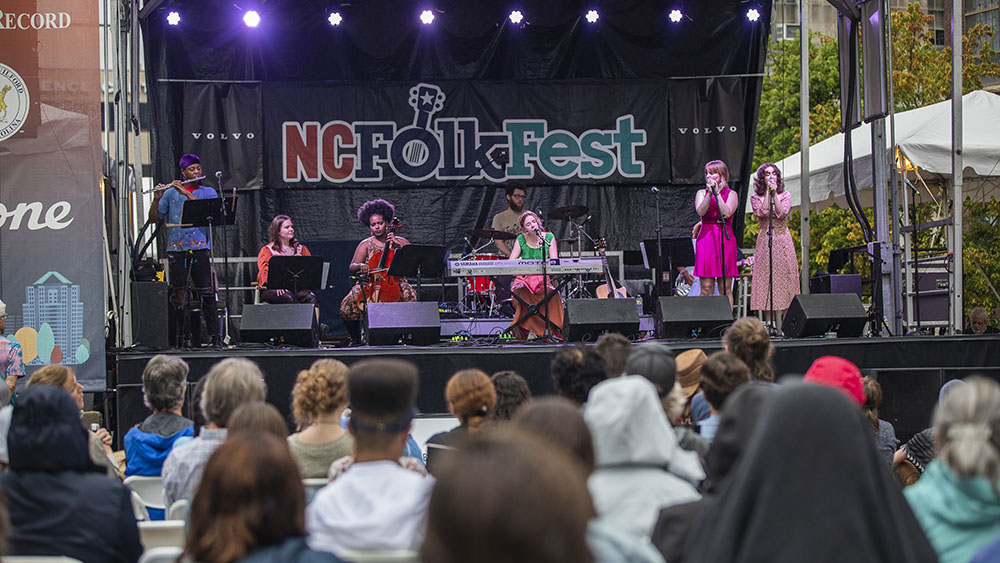
It was day one at North Carolina Folk Festival 2025. As the Friday night sky dimmed over a picture-perfect September day, traffic on downtown Greensboro streets was replaced by groups of excited music fans of all ages. Aromas of smoked meats and fried dough filled the air, which vibrated with instruments playing on faraway stages and buzzing voices setting up lawn chairs and blankets in LeBauer Park.
All attention turned to the stage as a young singer walked up to the mic, her warm smile bringing the audience in on a secret. For Lora Mouna ’22, this performance was not only her first festival gig, but it was also an emotional homecoming.
“Playing the folk festival just feels like a gift,” she said the week before her performance. “I’m giving back to everything people gave me in Greensboro. All the wisdom and knowledge and advice and support — I’m able to give it all back musically.”
Honing Her Craft
Just five short years ago, Mouna was a student in the audience at the NC Folk Fest.
“I went every year,” she said. “My senior year, I sold merchandise.” The UNC Greensboro music student from Winston-Salem eagerly absorbed all she could from the talented performers she met on the UNCG campus and playing venues in Greensboro. “I just wanted to be around musicians and creative people,” she explained.
“There were so many beautiful gems at UNCG, and I’m so lucky to have gone there,” Mouna said. “I really credit everything in my voice to my vocal teacher, Dr. Lefevre. She taught me so much that I’ve carried on to many genres.”
Looking back, she remembers “being impressed by the faculty’s ability to connect with students on a deeper level than just academics.” As Mouna perfected her vocal range and learned more about different genres of music, she found herself exploring personal expressions in songwriting and incorporating her family’s Syrian roots into her music. Her senior recital included a musical theatre piece and a classical performance with a Middle Eastern section between, illustrating the varied vocal areas she studied at UNCG.
Spartan Networking from NC to NY
Aside from the technical training, Mouna reveled in opportunities to see and perform in venues throughout Greensboro.
Her friend, Ashley Virginia ’19 B.F.A. encouraged her to play in her “What the Folk: Songwriter Sessions” at Oden Brewing Co. in 2022. “I was focused on auditioning at the time and was scared out of my mind to play the songs I had written, but Ashley gave the push I needed to fully dive into songwriting again,” Mouna said. “I really fell in love with the songwriting community in Greensboro.”
Guitarist Logan Butler ’20 on stage with Mouna.
After a year of performing in Greensboro and Winston-Salem, Mouna decided to make a move to New York to audition for Broadway shows. But when she arrived, she realized that her own music was calling to her: “Auditioning soon became exhausting. I wanted to take matters into my own hands and tell my own stories.”
She found other alumni in New York, including jazz guitarist Logan Butler ’20. They became creative collaborators, and they accompanied her at this year’s folk festival. After more than a year in the city, the connections have paid off: “When I first arrived in New York, I had to advocate for myself and prove myself to people. Now people are coming to me with gigs and projects.”
Today, Mouna is making time for rehearsals, working on an EP in the studio, and building her music business acumen with M.B.A. classes at New York University: “My music is being taken more seriously and therefore I’m taking it way more seriously and it feels really good, honestly.”
Balancing Commerce and Creativity
Playing the NC Folk Fest was a milestone in Mouna’s career not only for professional promotion, but for the opportunity to share her ideas on a large, festival stage. “My music has always been an outburst of something,” she explained. “It just kind of pours out of me.”
She remembers wise words from her mother, a Syrian pianist who came to the United States for college: “The song is already there. You just have to listen to it.” Mouna’s mother’s encouragement to play and write music became a cathartic process at an early age. At the festival, she played songs personifying depression or anxiety and others, like ‘Falling’ about the plight of refugees.
“My goal is for someone to listen and not feel alone. That’s the beauty of music. It’s so healing,” Mouna said. “It’s also the responsibility of an artist to use the platform to speak about important things — not only the problems I have in my own personal life, but awareness of things that are happening globally.”
Mouna’s NC Folk Fest appearances were well attended by crowds that included former instructors, friends and family, and young music students. After her performances, she was eager to speak to them and offer encouragement. Her favorite advice stems directly from experience she cultivated as a young musician at UNCG:
“Meet everyone that you can and be willing to collaborate, because your biggest inspirations will come from learning other people’s stories, experiences, and their musical talents. Oh, and go to live shows. Be inspired. Just look around you. Art is everywhere.”
Story by Becky Deakins, University Communications. Photography by Sean Norona, University Communications. Videography by David Row, University Communications.
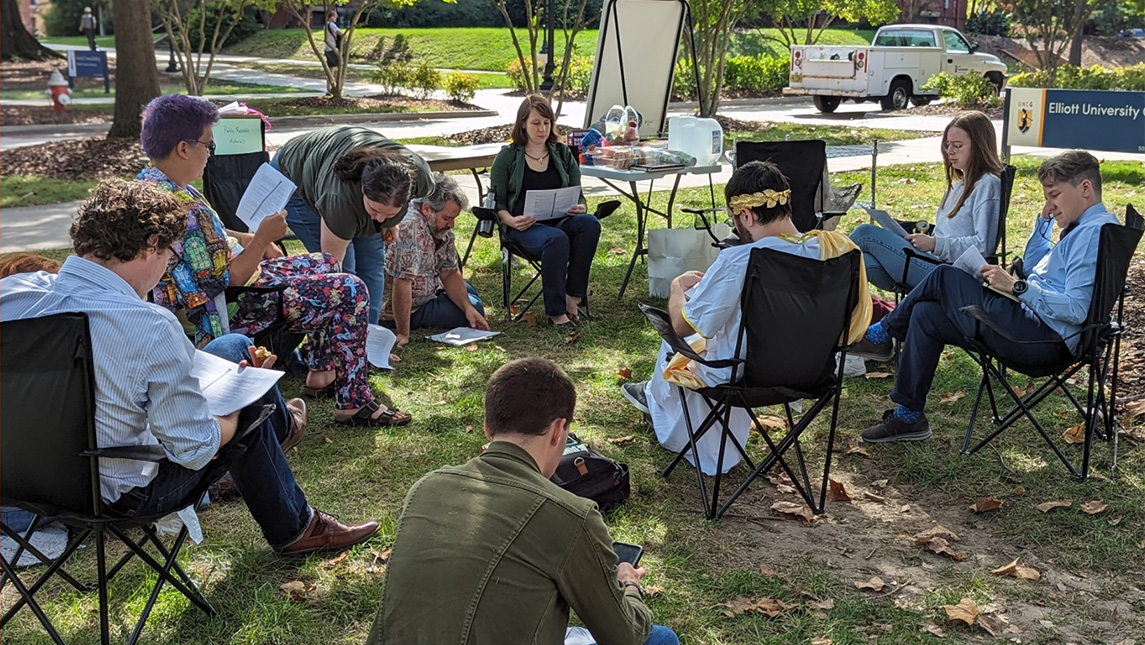
Public Republic, the Department of Philosophy's annual reading of Plato's Republic, takes place this October.
Once the new academic year is underway, faculty and staff at UNC Greensboro waste no time organizing events to showcase their research and expertise for the campus and Greater Greensboro community.
Here’s what’s falling on the calendar in October 2025 and how you can support your colleagues or learn something new.
New Book Release: Humanity’s Ruins Oct. 1, 12:30–1 p.m. Curry Building, Room 231
Join the women’s, gender, and sexuality studies program in celebrating the publication of “Humanity’s Ruins,” a new book by Associate Professor Danielle Bouchard, Ph.D. Students, faculty, and staff are welcome to learn more about her work, with cake and refreshments being provided.
7th Annual Public Republic Oct. 3, 8 a.m.–6 p.m. College Avenue near Minerva
Who Wins and Who Loses When Tariffs Are Imposed Oct. 6, Noon–1 p.m. EUC Auditorium
This lecture by Distinguished Principal Lecturer of Economics Jeff Sarbaum, Ph.D. explores the role of tariffs as a trade policy tool by examining their historical significance and real-world impact. The economics department will begin with a brief explanation as to why nations trade and why there may be incentives to interfere with such trade.
Drawing Marathon Art Exhibition Oct. 7-11 Greensboro Project Space
Engage with the work of faculty, students, and other artists who took part in a four-week intensive course about working through preconceived notions about their own image-making and artistic practices. Featured artists include SELF Design Studio Assistant Director Matt Fisher, M.Ed.
New Books in History Oct. 7, 5–7 p.m. MHRA, Room 1214
The Department of History will celebrate Drs. Chuck Bolton, Jamie Anderson, and Jeff Jones for their recently published books. They will hold brief book talks followed by a light reception.
Banned Books Week Read-a-Thon Oct. 9, 10 a.m.–3 p.m. Stone Building Lawn
University Libraries will hold a public reading of “Looking for Alaska,” by John Green, a book that has been placed on many banned/challenged lists since its publication in 2005. Those interested in attending or reading may sign up in advance.
A Great Conversation: What’s In It For Me? Morality’s Relation to Self-Interest Oct. 22, 5:15–6:45 p.m. Foust Building, Room 206
What’s the relation between morality and self-interest? Do morality and self-interest pull us in opposite directions? Can it be in your self-interest to be a moral person, even if it requires sacrifice? Come and consider these questions in a discussion led by Philosophy Department Head Heather Gert, Ph.D. “The Great Conversation Series” features some of humanity’s most challenging questions as topics.
This forum offers panel sessions to engage in critical conversations with local food experts around the intersection of food and sustainability. The session “Food and the Humanities” will be led by faculty members Frances Bottenberg, Ph.D., assistant dean of Honors College, and Lauren Shook, Ph.D., coordinator of UNCG Humanities at Work.
AI, Work, and Meaning Oct. 29, 2:30–4:30 p.m. School of Education Building, Room 106
The College of Arts & Sciences’ Ashby Dialogues presents this lecture by Lecturer of Philosophy Zach Wrublewski, M.A. This session will focus on the ethical ramifications of the ubiquitous usage of AI and explores the ways that large-scale implementation and adoption of AI will alter important aspects of everyday human experience.
In this concert, Associate Professor of Cello Alexander Ezerman, DMA, and Associate Professor of Flute Erika Boysen, DMA, will join Conductor Carol Ott in accompanying Assistant Professor of Voice Michaela Kelly.
Symphonic Band Oct. 7, 7:30–9 p.m. UNCG Auditorium
Conductor Jonathan Caldwell, DMA, will perform with Assistant Professor of Tuba and Euphonium Stephanie Ycaza, DMA.
Calypsus Brass Oct. 10, 5:30–7 p.m. Tew Recital Hall
Founded in 2021, Calypsus Brass is a professional chamber ensemble performing new works recitals, creating high-level professional recordings for composers, and working with chamber musicians at all levels. Its lineup includes Stephanie Ycaza on tuba.
Concert by Carlos Castilla Oct. 30, 7:30–9 p.m. UNCG School of Music Organ Hall
As part of Hispanic Heritage Month, Professor of Music Composition Alejandro Rutty, Ph.D. will play electric bass with Musicology Lecturer Lorena Guillén, Ph.D. providing vocals for a performance by guest guitarist Carlos Castilla.
Conferences Hosted at UNCG
Biology Seminar Series Oct. 1-29, 3:30–4:30 p.m. Moore Building, Room 226 unless otherwise noted Hosted by the Department of Biology Dennis LaJeunesse, Ph.D., professor of nanoscience and graduate director at JSNN, will give the talk, subject to be determined, on Oct. 22.
Prioritize Well-Being While Celebrating Employee Wellness Month
Posted on September 29, 2025
October is UNCG Employee Wellness Month. HealthyUNCG is dedicated to fostering the health, balance, and overall wellbeing of our faculty and staff. Caring for yourself across the Eight Dimensions of Wellbeing not only enhances your own quality of life but also strengthens our campus community as a whole.
Research shows that wellness initiatives can lower stress, boost job satisfaction, and improve workplace relationships. When employees feel supported in their wellbeing, they are more resilient, more engaged, and better equipped to thrive both personally and professionally.
This October, HealthyUNCG invites all employees to take part in a variety of programs and events designed to educate, support, and empower them on their wellness journey. Together, we can nurture a workplace culture where every employee has the tools and resources needed to succeed.
Faculty and staff are invited to explore these opportunities to recharge, build healthy habits, and reduce stress. Whether it’s meditation, nutrition workshops, fitness opportunities, or moments of connection, there’s something for everyone.
Free Day and More at the Kaplan Center
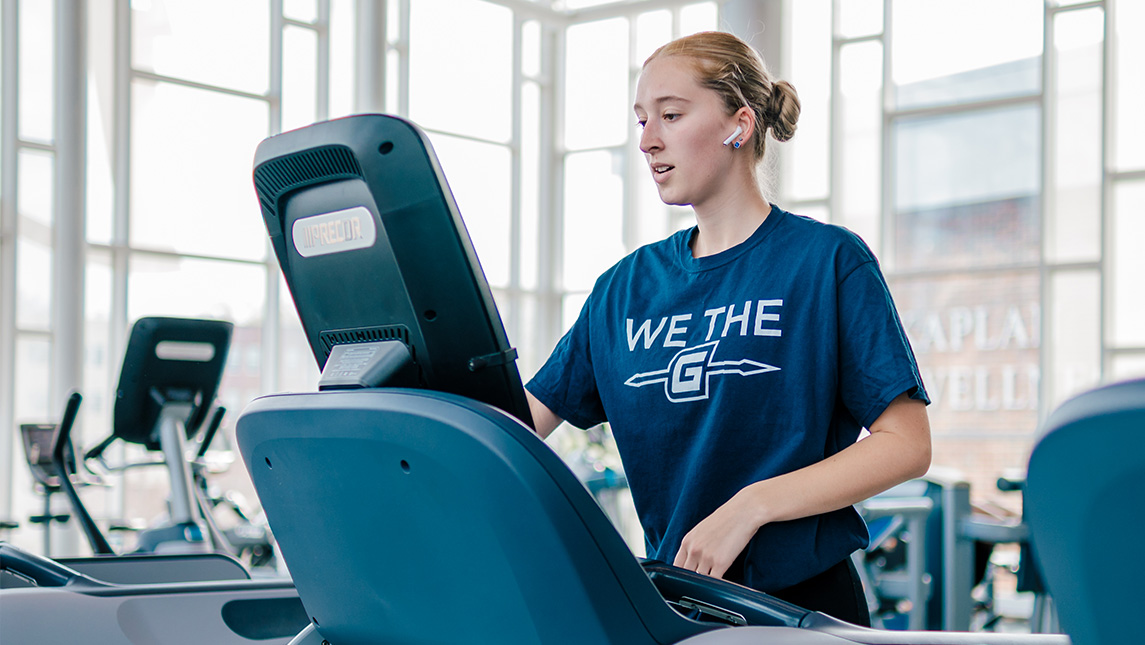
HealthyUNCG is partnering with Recreation and Wellness to hold an Employee Wellness Day. On Oct. 14, all UNCG employees will get free access to the Kaplan Center. They can use the equipment on their own or take one of the scheduled tours, special fitness classes. Giveaways and food will also be provided.
Let’s make this October a month of wellness, balance, and community at UNCG.
Keep up with what HealthyUNCG is doing year-round by following them on Facebook, Instagram, or sign up for their listserv.
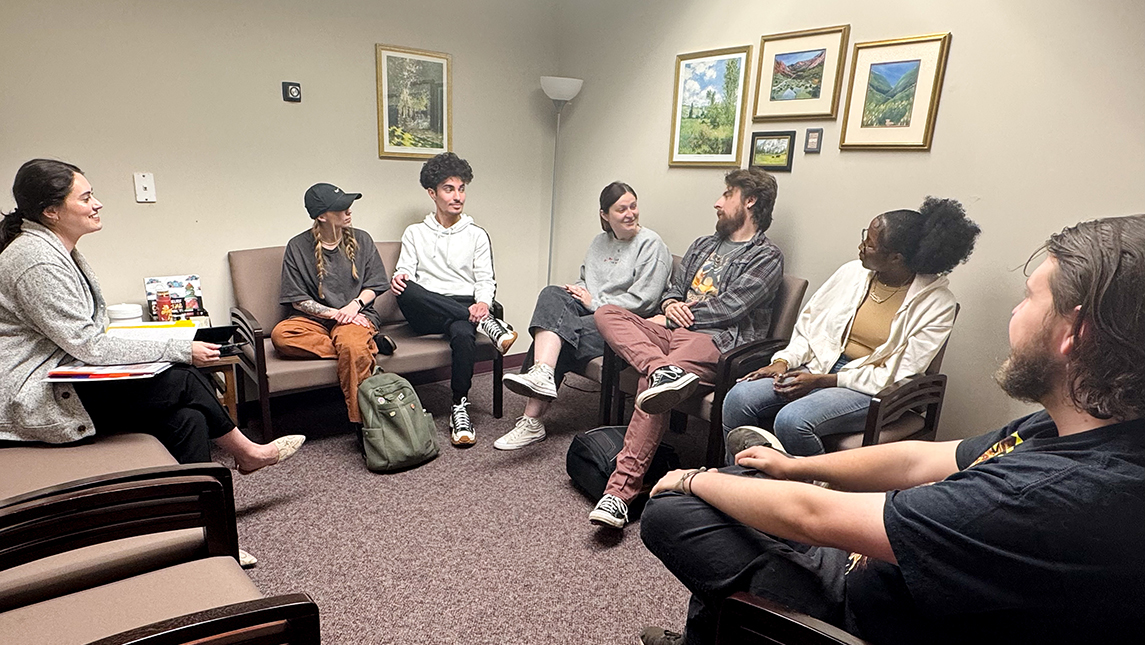
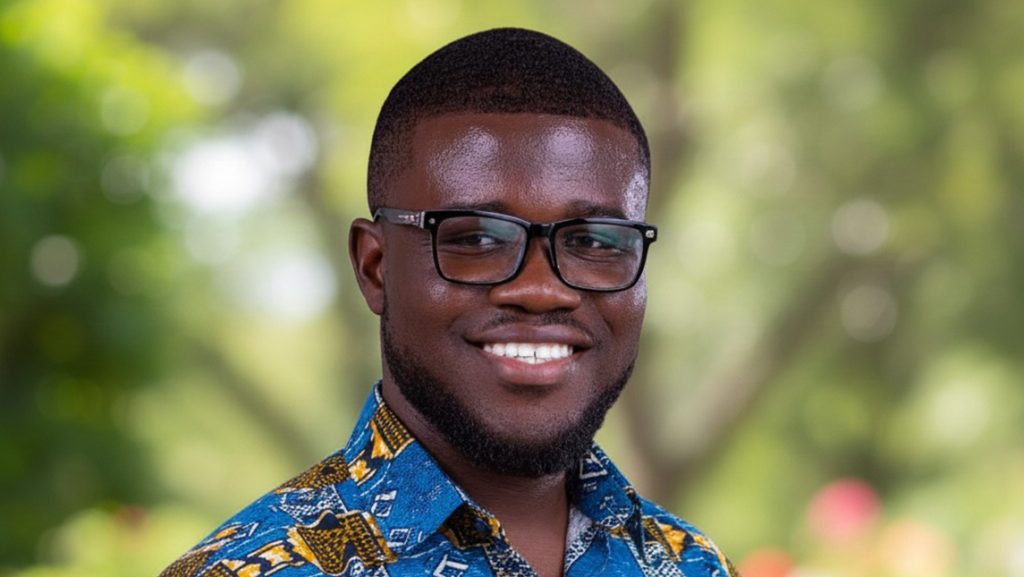
“The Vacc Clinic is unique because we can work with actual clients and be supported throughout,” says Owuraku Affum Boahen-Boaten, a graduate assistant and counseling intern.
Boahen-Boaten focused his undergraduate work on creative arts therapy. In his native Ghana, he was a counselor and provided social services in rural areas for a nonprofit.
“We have high-level support and supervision from doctoral students, including some who are already licensed clinicians,” he says. The sessions with clients are recorded, so the supervisor and trainee can review them together to see what could be improved.
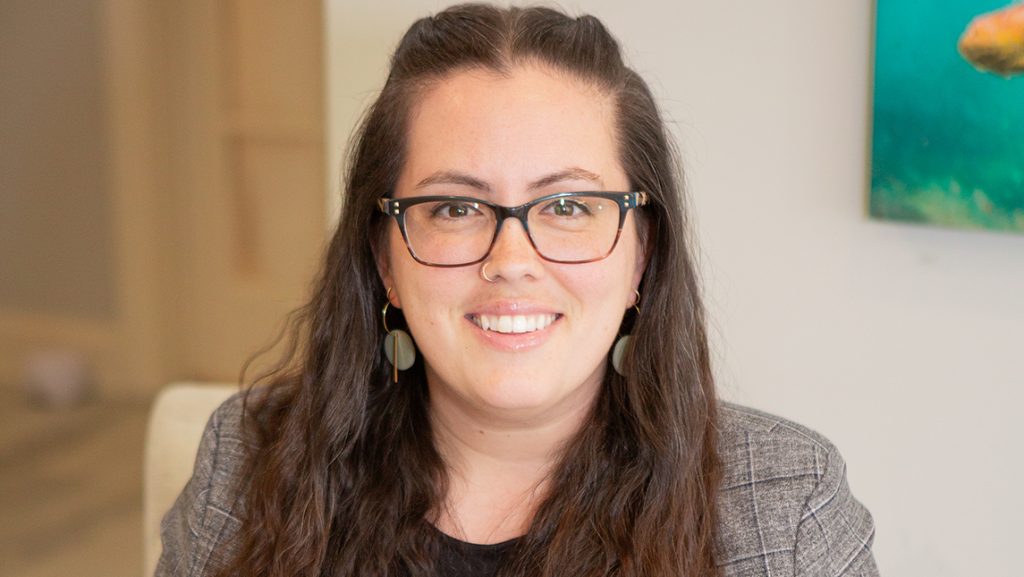
One of those licensed supervisors is doctoral student Victoria Giles-Vazquez. She currently works in private practice with children and families. A native of Puerto Rico, she provides bilingual services and works with the LGBTQ+ community.
“The Vacc Clinic has played a foundational role in my work here as a graduate assistant and an on-call consultant,” she says.
Besides reviewing their counseling sessions with her, trainees can alert Giles-Vazquez if they encounter a critical situation with a client, such as suicidal or homicidal ideation so she can intervene.
“That consultant role is a really important skill to practice,” she says, adding that the clinic provides many opportunities to grow through experiential learning.
Victoria Giles-Vazquez, doctoral student and licensed supervisorOwuraku Affum Boahen-Boaten, graduate assistant and counseling internWhitney Rutter, graduate student intern
Leadership drives opportunity
Boahen-Boaten has nothing but praise for Clinic Director Dr. Alex Cammarano.
“She’s very approachable, she’s very resourceful, and she’s extremely helpful. We can come to her with any issue,” he says. “The level of support, compassion, and patience provided is helpful for my growth, particularly as a new person here from a different culture. The clinic gives me opportunities to build my skills and my professional identity as a counselor.”
His sentiment is shared by second-year master’s student Whitney Rutter, a North Carolina native who came to UNCG after earning her bachelor’s degree in math and a high school teaching certificate. Counseling felt natural for her, so she changed direction and enrolled in the program.
“We have a wonderful director. I could talk about her all day long,” Rutter says. “She has worked tirelessly to get our name out in the community and to make sure that we, as staff, are supported.”
“The chance to get clinical hours on campus in such a structured way has been super helpful,” she said. Rutter started an off-campus internship at a private practice in nearby Burlington and feels well-prepared.
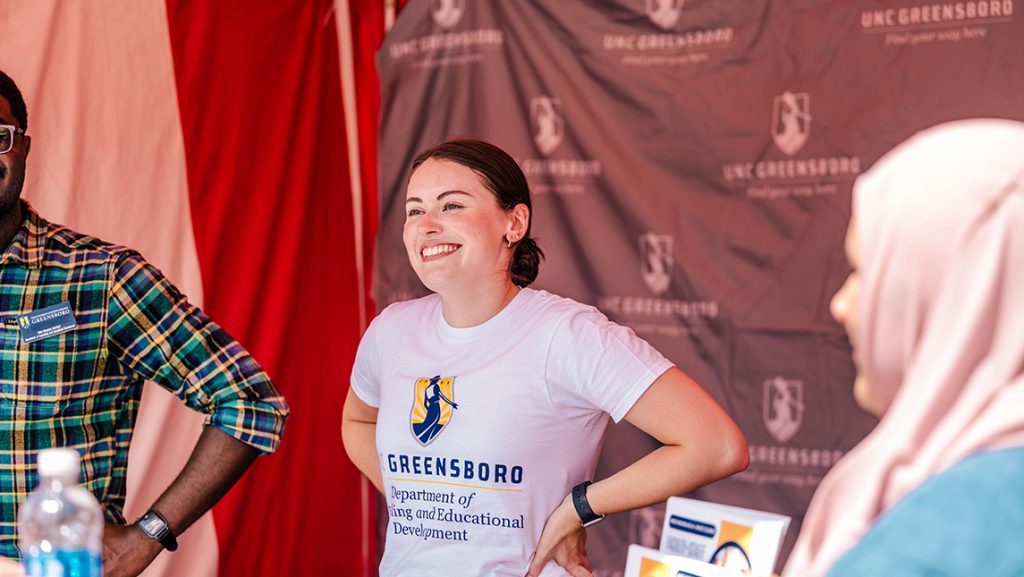
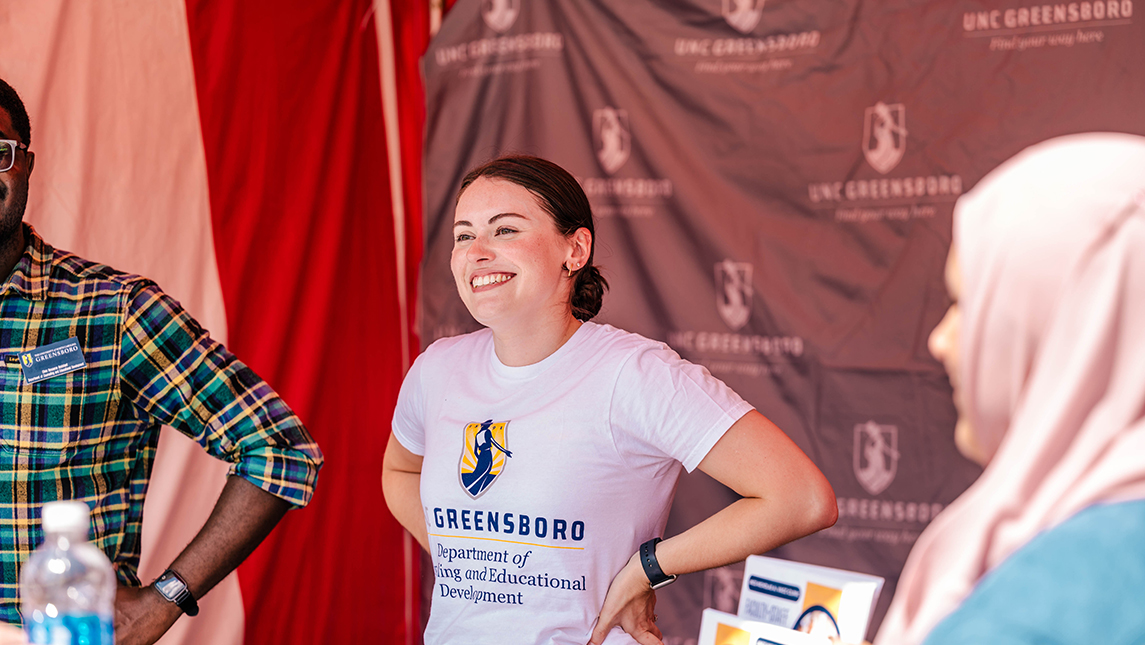
Alex Cammarano, director of the Vacc Clinic, at the NC Folk Festival.
A community model that works
During the 2024-25 academic year, the clinic served 333 adult clients, an increase of 23 percent from the previous year. This fall, the clinic expanded services to provide resources for children and adolescents. Children can receive services beginning at age five.
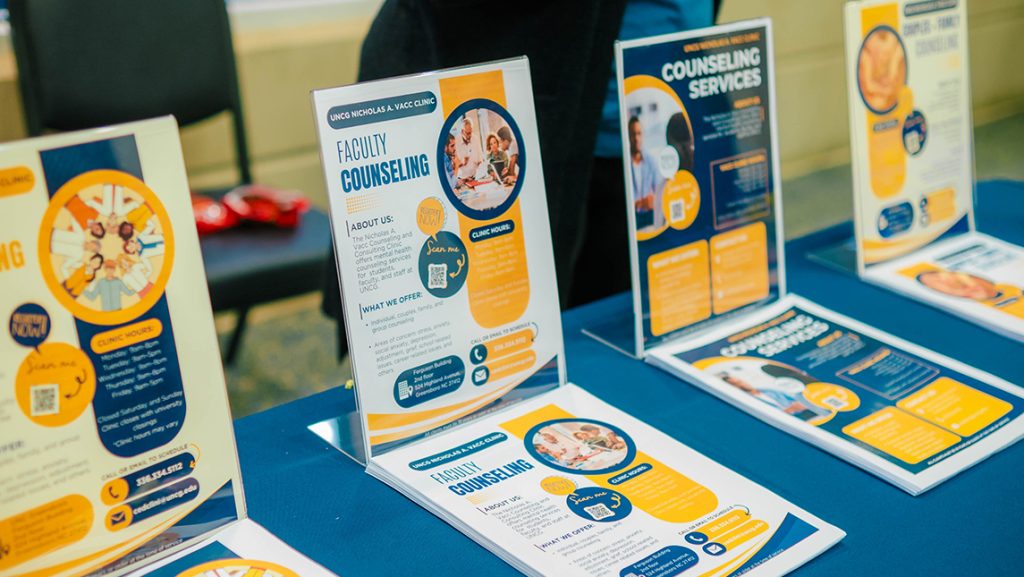
The clinic operates on a sliding-scale payment schedule to be affordable to all. Outreach includes tabling at community events to make attendees aware of the clinic and its work.
“Our goal is to include more community members in our client list, in addition to UNCG students,” Rutter says.
With more than 30 and 35 counselors-in-training at the master’s and doctoral level available for client services, the Vacc Clinic is primed to meet community needs.
“I’m proud to be in the UNCG counseling program,” Boahen-Boaten says. “I’m readily skilled to meet the needs of the community and the world outside the University.”