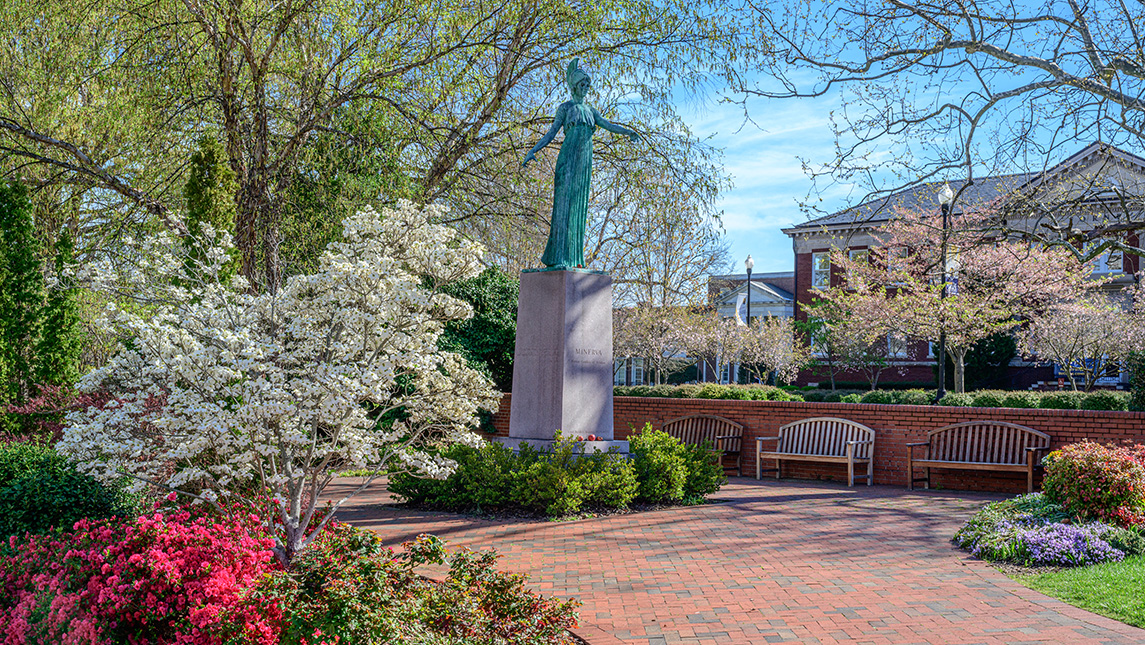
You’re invited to join Chancellor Franklin D. Gilliam, Jr., faculty, and staff for the 2025 State of the Campus address.
Tuesday, Oct. 7 10 a.m. Elliott University Center Auditorium
Hear from Chancellor Gilliam as he marks his tenth year of leadership and reflects on UNCG’s momentum, accomplishments, and vision for the future.
Doors will open at 9:45 a.m. Coffee and light refreshments will be available afterward, with time for conversation with colleagues and University leaders.
The address will be in-person with an ASL interpreter present. A recording will be posted on chancellor.uncg.edu following the event for those unable to attend.
Merger of HRL and Facilities Operations Maintenance and Housekeeping
Posted on September 16, 2025
To strengthen efficiency and support long-term sustainability, UNC Greensboro reviewed the organizational structure of Facilities Operations and Housing and Residence Life (HRL) this year, identifying opportunities to streamline operations and realize cost savings. As a result, beginning Oct. 13, the University will merge housekeeping and maintenance staff from the two areas. They will merge completely, with both teams integrating within the Finance and Administration division.
For the last five years, UNCG has been evaluating opportunities to steward funding and mitigate the effects of budget reductions for maintenance and housekeeping services. At the beginning of this year, NexusIQ Advisory was hired to perform a comprehensive audit of those units within Facilites Operations and HRL.
Work processes reviewed included use of the work order system, the computerized maintenance management system, staff deployment, handling of work requests, and parts and inventory management.
How does this affect housekeeping staff and cleaning?
During the week of Sept. 22, UNCG will begin to roll out a new “team cleaning” structure in place of the traditional “zone cleaning” that housekeeping staff have utilized to keep all spaces clean, healthy, and comfortable. This is expected to improve building appearance and overall cleanliness.
With zone cleaning, one employee is assigned to a floor or building section and generally performs all tasks. With team cleaning, employees clean in groups. Using ergonomically designed equipment and more efficient cleaning supplies, each staff member focuses on an assigned task, such as vacuuming or cleaning restrooms.
These tasks regularly rotate among team members, so employees will receive different assignments over subsequent weeks. The number and type of employees per team depends on the amount of space to cover and how the building is used.
This will lead to changes in some employees’ scheduling, shift times, and the number of housekeeping positions. The move to team cleaning will begin with piloting the system with implementation across campus where appropriate over several weeks.
How does this affect maintenance orders?
On July 1, the University launched a new, standardized work-order priority matrix. All work orders fall under one of five categories:
P1 – Emergency: Work that requires immediate dispatch P2 – Urgent: Work that requires a same-day response, including inoperative equipment that does not impact safety, security, or property, but significantly affects the ability to meet campus goals P3 – Routine: General facility needs to be addressed within three business days P4 – Preventive Maintenance (PM): Scheduled work to be assigned within a scheduling period P5 – Project: Tasks or requests that will take planning and a longer term to complete or to have a minimal impact on campus activities, to be completed by a scheduled date
Equipment usage
Housekeeping staff are being provided with new equipment, including lighter and high-performance state-of-the-art tools to enhance safety and help with accessing hard-to-reach areas. For example, they will start using tip barrels for trash, aimed at reducing heavy lifting. They will also receive dedicated restroom cleaning carts with state-of-the-art equipment to help conserve water and reduce the number of slippery floors.
UNCG reinforces its commitment to environmental sustainability by utilizing the industry’s best “green seal” chemicals.
Any questions about the new cleaning procedures may be shared with Facilities Operations at fowork@uncg.edu.
This 2025-26 University and Concert Lecture Series features the Count Basie Orchestra, Leslie Odom Jr., Ephrat Asherie Dance, Lawrence Brownlee, Stacy Lynn Waddell, Christian Sands, John Clayton, and UNCG’s own students in “Collage.” Tickets are available now to experience a powerful and diverse set of performances.
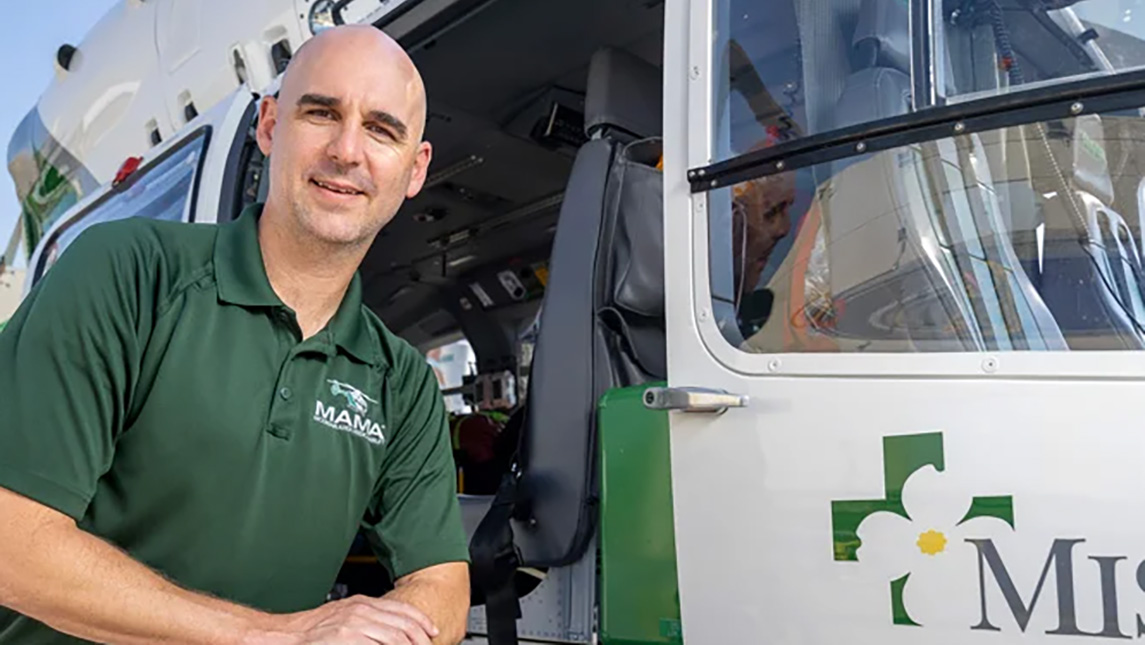
John Carrico ’23 credits his degree from UNCG’s Bryan School of Business and Economics for helping him land his dream job with Mission Health’s Mountain Area Medical Airlift Team. Today, he builds vital partnerships to get medical transport services to rural communities that need them the most.
UNCG Doctoral Student Redefines Wellness with a Strength-Based Lens
Posted on September 11, 2025
Like all college students, Parishi Gandhi knew she would be stepping out of her comfort zone. A native of India, she moved to the U.S. to further her education. “I went for psychology, not knowing that I would land into counseling at all,” Gandhi says.
Now she is a doctoral student on track for her degree in counseling and counselor education from the UNC Greensboro School of Education (SOE)’s Department of Counseling and Educational Development. But through her whole educational journey, she’s always held a strong desire to give back to whatever community she’s a part of. “As an international student and a Brown person, I grew up in a culture where I was always told to acknowledge others before myself.”
Healing Through Shared Experiences
Before her move to the U.S., Gandhi began a peer-led initiative in high school called “Cheer for Your Peers” after a personal loss prompted her to create a safe space for her and her classmates to process different situations. The program started with fewer than 15 students, but quickly expanded to a new initiative, “Happy Minds,” at three other schools. “Having someone there to listen really makes a difference,” she says.
Gandhi experienced all the unknowns typical for an international student while pursuing her undergraduate degree in psychology from Ohio State University and then her master’s at Florida State University. She interacted with various cultures outside of her own, adapting to changes within her environment. With that in mind, Gandhi was encouraged to use the counseling and wellness services available during her undergraduate program. Through that process, she fell in love with the idea of student wellness.
And just like in high school, she wanted to give back.
First, she interned at a suicide-prevention center. She then played a role in the REACH program on campus, talking with peers about student wellness and directing them to appropriate mental health resources. She also worked supporting kids on the autism spectrum.
The Bigger Picture and A Positive Approach
All the while, Gandhi delved deeper into her efforts to identify gaps in emotional and academic wellness for students. “I felt there was a difference between the services that were offered and the services students actually needed, me being one of the students,” she says. A particular issue for international students, she noticed, was what she calls “deficit-based approaches” to wellness. From her perspective, it was always about what international students were missing instead of what they brought to their community.
“I really did not find a lot of resources that talked about our strengths,” Gandhi says, “The resilience that we bring from moving from a different country. I really want to focus on filling that gap. How can we incorporate more of that approach into the counseling setting?”
She felt that emphasizing students’ strengths was something she could strive for in her Ph.D. studies. “It’s important to appreciate what makes a student themselves.”
From Insight to Impact
Gandhi has worked with faculty and her student cohort to address those concerns within UNCG’s doctoral programs. She and other counseling students partnered with their department’s assistant professor, Christian Chan, Ph.D., and created a student wellness resource guide for international students. The guide includes crisis resources, mental health and wellness resources, and community services.
At the end of the Spring 2025 semester, she received the UNCG School of Education Smiley Award, representing SOE as a Global Education Ambassador. “The Smiley Award stood out to me because it brought awareness of the impact individuals made on underrepresented and minority communities,” she says. Excited to expand her research, Gandhi plans to use the educational grant to engage nontraditional students and amplify their voices and concerns.
Aspiring to Teach, Inspiring Change
With dreams of teaching in higher ed one day, she’s used her findings to challenge her own strategies to wellness. “I used to struggle with a lot of negative self-talk. If something unexpected happened, my first thought was, ‘What’s wrong with me?’” she says. Learning to shift her mentality, she instead draws attention to what went well, where she thrived, and what she’d do differently next time.
When asked what advice she would give to any UNCG student who wants to improve their wellness, she makes three suggestions: Find a supportive community, lean into your own curiosity, and communicate your needs.
“I felt alone in my experiences when I came here. Then I found that, ‘Oh, this other international student is going through the same thing, and another.’ Building that community is the first step in nurturing our wellness.”
She assures her peers that “what students feel the most alone in are actually the things that connect them the most to others.”
Story by Lauren Segers, University Communications Photography by Sean Norona, University Communications
Excitement for a new year at UNC Greensboro is evident across campus – in student conversations at the Fall Kickoff, in warm greetings between faculty members, and in the offices of senior leadership.
The new year also brings three new deans and an interim dean with a passion for guiding scientific discovery and professional preparation across four colleges and schools. Two deans joined UNCG this year, and the other two have been Spartans for years, serving students as faculty and program directors.
UNCG thrives on the richness of academic excellence and lived experience, and the deans are no different. They offer far more than an impressive list of accomplishments – although theirs certainly are. Just like our students, the deans bring with them years of remarkable experiences, wisdom, and perspectives that are sure to make life at the G even more vibrant and inspiring.
Kelly Joyce, Ph.D.
Joyce comes from Drexel University to lead UNCG’s College of Arts and Sciences. Trained as a medical sociologist, her research investigates the social, cultural, and political dimensions of medical technology innovation and use. Prior to arriving at UNCG, she served as the founding director of the Center for Science, Technology and Society at Drexel and as a program director at the National Science Foundation.
Get to know Dr. Joyce
What is the most exciting or unexpected place your career has taken you?
I received a grant to study the perceptions and use of MRI technology in Japan. It was fascinating to see how the same profession (radiology) and the same medical device can evoke such different meanings and uses depending on the national context.
What are your hobbies?
I love to garden and plant trees. I plant lots of native plants to create splashes of color and habitat for critters. It’s fun to watch the landscape come alive.
What is your favorite quote from book, movie, song, or historical figure?
“I spent all day yesterday watching the grass grow/ What I learned is that grass really grows slow/ … She said have patience/ Everything will be all right/ Patience/ Give it just a little time/ Everything will be all right.” — From the song “Patience” by singer Catie Curtis
What is something interesting on your desk or in your office?
A bronze turtle with an ocean-weathered rock from my hometown in it. A friend who knows that I love turtles gave it to me to wish me luck at my new position at UNCG.
What is your favorite quote from a book, movie, song, or historical figure?
“Don’t stop thinking about tomorrow” (Christine McVie, Fleetwood Mac) because “Only the paranoid survive.” (András István Gróf aka Andy Grove, Intel).
Masud Chowdhury, Ph.D.
Dr. Chowdhury carries on the advancement of cutting-edge research in the halls of the Joint School of Nanoscience and Nanoengineering. He comes to UNCG from the University of Missouri-Kansas City, where his previous leadership experience includes serving as founding director of the Division of Energy, Matter and Systems.
Get to know Dr. Chowdhury
What is the most important academic value to instill in a student?
Personal and professional integrity, and awareness of the rights and privileges of everyone around you.
What is your favorite quote from a book, movie, song, or historical figure?
“Have patience. All things are difficult before they become easy.” — Persian poet and philosopher Sheikh Saadi.
What are your hobbies?
Traveling and trying different types of food from all over the world.
Who is one of the artists on your music playlist?
Firoza Begum, who is famous for the classical Bengali music genre called Nazrul Geeti.
What is the most exciting or unexpected place your career has taken you?
My train journey through rural Morocco while going to present at a conference. During those six hours, I was trying to figure out where to get off the train. There was no sign in English, and nobody spoke or understood English in that train compartment. A group of more than 40 humble and cordial villagers speaking in a local dialect – a mix of Arabic, French, and Berber languages – were trying to help me when Google translator was not available. It was the experience of a lifetime.
Jigsaw and word puzzles. I do all the New York Times puzzles. I also like to knit and read.
Who is one of the artists on your music playlist?
I love the Indigo Girls. They never go out of style on my playlist.
What is something interesting on your desk or in your office?
Right now, I have a vase of flowers that a new colleague gave me, which is lovely. I’ve got artwork and other stuff from my kids when they were really young, so that I can see how much they’ve grown.
What is the most important academic value to instill in a student?
I would say curiosity. If you’re curious, you’re not going to stop after you memorize something. You’re going to try to dig deeper, and you’ll learn critical thinking. Curiosity encompasses a lot of the things we try to teach students. If you have curiosity, the rest will fall into place.
What is your favorite quote from a book, movie, song, or historical figure?
You know, I just watched “The Princess Bride” with my kids, and there are so many good quotes from that movie. My favorite is probably “Have fun storming the castle!” Or, “Inconceivable!”
What is your favorite season?
Fall. That’s an easy one.
Advancing excellence
What do you like most about your field of study?
Bhadury: My primary field of study is supply-chain management. What drew me to it is the importance of this field in our day-to-day lives, which was highlighted during the COVID-19 pandemic, which caused severe supply-chain disruptions.
Joyce: I study medicine through a sociological lens. This means that I look at how cultural contexts, belief systems, and policies shape the practice of medicine in the United States. This perspective requires me to step back, to question taken for granted norms and practices in health care. This type of sociological questioning is crucial for reimagining new ways to support both patients and clinicians and cultivate health.
Chowdhury: My field of study is micro- and nanotechnologies, which have been revolutionizing computing, communication, biomedical, industrial, energy, and all other sectors that rely on automation, electronic instruments, and devices. Human civilization has experienced remarkable change during the last 70 years due to the emergence of micro- and nanotechnologies.
Petersen: I love puzzles, and organic chemistry, in particular, is like a giant puzzle. It’s very visual. Look at a molecule, and you can take apart the pieces and figure out how you might put them back together. And there might be different ways to put it together. It lends itself well to that sort of visual puzzle-type thinking.
What is your favorite theory or concept to explain to your students?
Petersen: I enjoy teaching stereochemistry, a theory that describes the 3D structure of a molecule. You get to build a molecule with a model kit – again, like putting together puzzles – or visualize it with computer-modeling software. Students learn to describe the molecule very specifically and precisely, and I find that fun.
Joyce: Medicalization and pharmaceuticalization both draw attention to trends in U.S. medicine. Medicalization describes how more and more of our thoughts, emotions, and physical processes have become labeled disease or pre-disease. Pharmaceuticalization calls attention to how drugs and supplements are often integral to daily life and treatment protocols. Students have often experienced these trends personally in the lived experience of their bodies or through friends or family’s experiences. These two concepts help put their experiences into a broader context.
Bhadury: The Bullwhip Effect in supply chains, essentially the theory of how information distortion takes place across a supply chain.
Chowdhury: The ability to analyze and control materials and particles at nanoscale provides the ability to understand behaviors in organisms that range from viruses to gigantic galactic systems. That understanding is the secret behind every technology we have developed in the last century to radically change the livelihood of human beings.
What do you think sets UNCG apart from other universities?
Chowdhury: Its community-focused mission and affordability while maintaining high academic standards compared to peer institutes make it a desirable academic destination for a wide range of students.
Petersen: UNCG has what you’re looking for at an R1 institution. We’ve got research. We’ve got excellent teaching and professors. But most importantly, we have this family-type, more intimate atmosphere where you can really get to know faculty or your fellow students in an informal setting, making it easier for a new student to speak up.
Bhadury: UNCG combines two attributes that make it distinct: accessibility to education and excellence in education. This is enabled by a university-wide culture of care with regards to our students that is adopted by every faculty and staff.
Joyce: I am struck by how UNCG is part of the surrounding communities. It is not adjacent to or separate from Greensboro and the neighboring towns and cities. UNCG is also committed to being an engine of social mobility for North Carolinians. I have never encountered a university that is so dedicated to its people and its communities. To deliver that commitment on a gorgeous campus is uplifting.
Story by Janet Imrick, University Communications Photography by Sean Norona, University Communications
UNC Greensboro is celebrating its largest enrollment since 2021, with 18,682 students enrolled this fall, a 3.7% increase over last year. The university increased its first-year class by 7.1%, transfer-student enrollment by 5.2%, and graduate enrollment by 6.1%. The gains reflect increasing awareness of UNCG’s academic excellence and supportive campus environment, and its position as the top performer in the UNC System on performance metrics, which are focused on student success, financial accessibility, and institutional efficiency.
“Our rising enrollment is a testament to the exceptional value of a UNCG education,” said Chancellor Franklin D. Gilliam, Jr. “Students and families recognize the quality of our academic programs, the job readiness of our graduates and their low debt load, and the strength of our community.”
“These excellent results speak to the campus-wide commitment to enrollment growth and positive student outcomes,” said Vice Chancellor for Enrollment Tina McEntire. “Families especially value our commitment to helping students build brighter futures, in their careers and in their lives.”
As enrollment climbs, UNCG is also taking prudent steps to ensure long-term financial resilience and be prepared for the uncertainty facing higher education. “We want to invest wisely while protecting UNCG’s long-term health,” Gilliam said. “Strong enrollment doesn’t eliminate all financial challenges, but it affirms the reputation of our university.”
“Our university is on an excellent trajectory,” said Gilliam. “With growing enrollment and smart stewardship, we are well positioned to thrive in a changing higher education landscape.”
Photography by Sean Norona, University Communications.
2024 Research Excellence awardee Jaclyn Maher, Ph.D. keeps things moving from within the Department of Kinesiology. She discusses what motivates aging adults to be physically active, new methods, mentorship and more.
The relative calmness of campus in the summer masks the hard work of faculty and staff grinding away at their areas of expertise. This summer, several Spartans contributed to works in the media, art, and sharing what makes them passionate about a particular topic.
We’re celebrating that work in this week’s Minerva Milestones. Here’s just some of the ways that faculty and staff’s talent comes alive:
University Communications’ Assistant Director of Creative Services Jaysen Buterin, M.A.‘s film “Kill Giggles” was released by Lionsgate and is available on popular streaming platforms, including Apple TV and Amazon Prime.
In Recreation and Wellness, Assistant Director of Communications and Outreach Ashley Marshall was honored by the UCDA Design Awards. Marshall and Hannah Hind, a student graphic designer, won the Award of Excellence for Specialty Publication for creating the UNCG Student Wellness Guide and Activity Book.
Brian Clarey, media relations specialist of University Communications, took first place in the 2025 Association of Alternative Newsmedia Awards’ Feature Story, Shorter Form category for his work as a journalist for Triad City Beat.
Though they are not fighting crime in Gotham City like Brown’s favorite character Lady Blackhawk, the students she supports do use nanoscience to solve real-world problems in fields like medicine, energy, and electronics.
And in her role as University Program Manager in the JSNN Dean’s Office, it’s Brown’s job to encourage their success.
After almost a decade working at the school, Brown is known for being a proactive doer, a student advocate, and, to many international students, “a mom away from home.”
From cosplay to supporting science on the nanoscale, Brown, too, has some superhero qualities of her own.
Brown had excelled as an executive assistant in the nanoscience field for many years before then-Interim Dean Mitch Croatt recruited her to the Dean’s Office early this year to increase her impact at JSNN.
Dean Masud Chowdhury, who started as JSNN’s new leader this fall, is grateful for that move as Brown is helping him settle into his new role by training him on different systems.
Nancy is very resourceful, with a willingness to help with matters beyond her list of responsibilities,” says Chowdhury. “Her proactive collaboration and problem-solving skills are making my transition to this new role easy and enjoyable.”
In addition to welcoming the new dean, Brown focuses her efforts on event coordination, communications, student support, alumni engagement, and grant fund management for JSNN.
Event Coordination
You may not easily spot Brown at JSNN events, but she’s there — often behind the scenes, ensuring the smooth execution of all things.
In August, “Africa and the Future of Global Research,” a talk with the Ambassador of the United Republic of Tanzania Elsie S. Kanza, highlighted potential international partnerships with Africa. Brown assisted Kanza and her guests with their JSNN visit, touring the school and the labs.
Lastly, Brown supports Associate Dean Daniel Rabinovich and Assistant Professor Suzanne Ahmed in the annual production of the NanoImpacts Conference. This year’s theme is “Active and Adaptive Matter.” The two-day conference takes place in October at JSNN.
Communications
Brown brings students, faculty, alumni, and staff the most up-to-date JSNN news by helping update content on social media platforms and the website, to promote impactful news stories about the school’s efforts in the lab and beyond.
It’s also Brown’s job to supervise JSNN’s Student Ambassadors, an assistantship program with the Dean’s Office, who also drive communications.
“I organize the ambassadors tabling at recruiting events,” Brown says. “And direct their participation in student tours, office management, social media production, and outreach support.”
Student Support + Alumni Engagement
Brown plays an active role in student support services at JSNN. In fact, Croatt says, “She raises value-added perspectives, giving voice to our students in leadership meetings.”
Brown says she learns how the students feel — whether it’s about their classes, transportation, or resources. Armed with this valuable information, she funnels it to the Dean’s Office and faculty.
“In fact, this is how the JSNN Spirit Store came about,” Brown says. “We learned about students’ hardships, so any profit from the store’s sales of JSNN-branded items goes into a student emergency fund to support students in times of need.”
The fund launches later this semester; students can apply for a $200 stipend if they hit a bumpy patch and need support. This is yet another example of Brown fighting for the good.
With the hope of connecting JSNN students and alumni, Brown also has the beginnings of an Alumni Advisory Team in the works.
“I want to bring alumni to campus to talk about their career paths, exposing current students to various career options,” she says. “It benefits both groups: students connect with companies and jobs, and JSNN celebrates our alumni.”
Grant Fund Management
When Brown first started working with JSNN, she helped with the administrative side of the grant process yet quickly realized she wanted to unburden faculty of the many details.
“I knew if I could work on the template forms, the faculty would have more time to focus on and write about science,” she says.
As a CRA®, Brown can assist Dean Chowdhury on grant applications as well as serve as the pre- and post-award contact for any grants for which he is principal investigator.
Inspired by Students
It’s clear to Brown you do not need to wear a cape to be a force. She admires the courage of the many JSNN students she sees coming to the U.S. for the first time to attend school here.
“These students come from such different backgrounds, and I learn so much from them,” Brown says. “ It takes a strong individual to leave the comforts of home and pursue their goals. I try to help them find friends and join JSNN clubs.”
And the students are so grateful for her support.
“At JSNN, Nancy has been my lifeboat,” says Omiya Ayoub, a third-year doctoral candidate. “When I first moved here and felt a bit lost, she was my go-to person who never said no. Honestly, everyone needs a Nancy in their corner.”
As this diverse group of students, faculty, and staff — 16 countries represented to be exact — plays their part to change the world, Brown hopes she plays a small role in their successes.
“I do whatever is needed, I help out wherever I can,” she says. And then she leaps to the next tall building.
Story by Amy Burtch, AMBCopy Photography by Muhammad Hassan Raza, JSNN Student