Posted on August 27, 2026

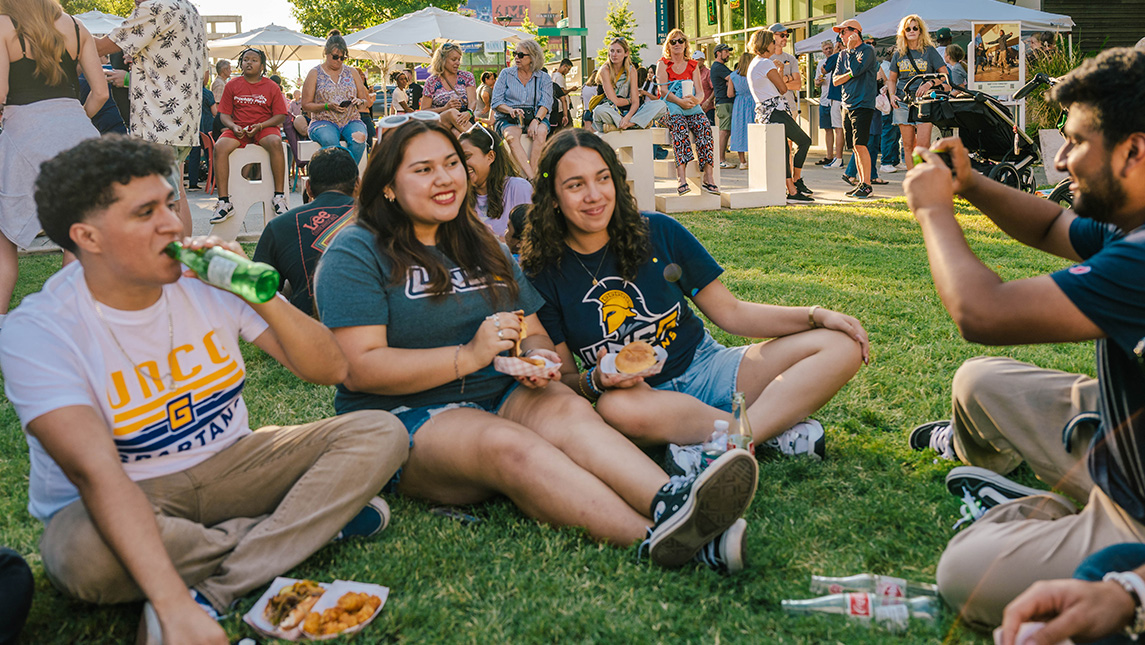
Spartans having fun downtown

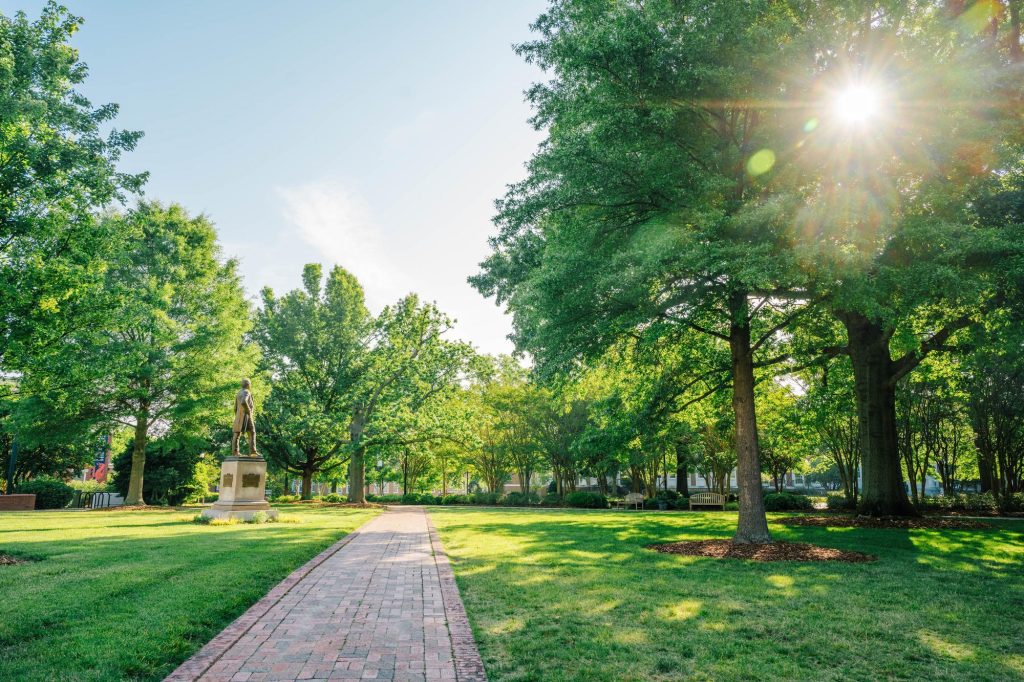
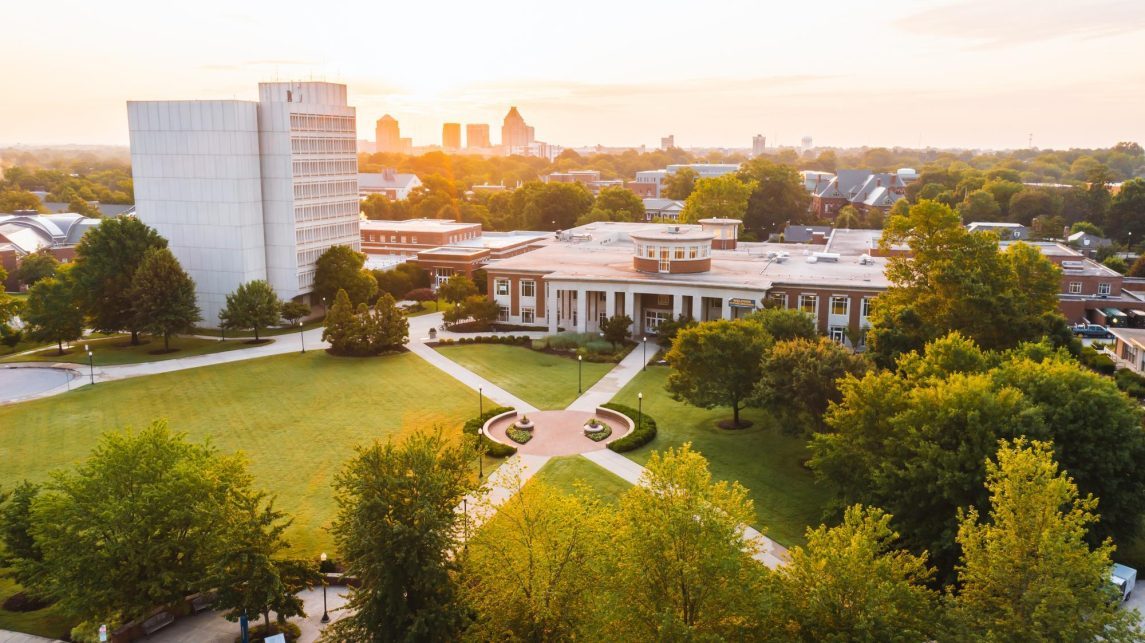
Now that classes have resumed for the 2026-27 academic year, a simple walk across campus proves that a certain energy has returned. The quad lawns are sprinkled with reconnecting friends. Campus buildings buzz with study breaks and syllabus reviews. Parking may be scarce, but the Spartan vibes are back! 

As Rawkin’ Welcome Week activities wind down, students are settling into routines and beginning to explore their home away from home. Here are some upcoming events and activities to help students enjoy the Greensboro community and show their pride in the G. And the best part? They’re all free and open to the public! 

The G is for Goals 

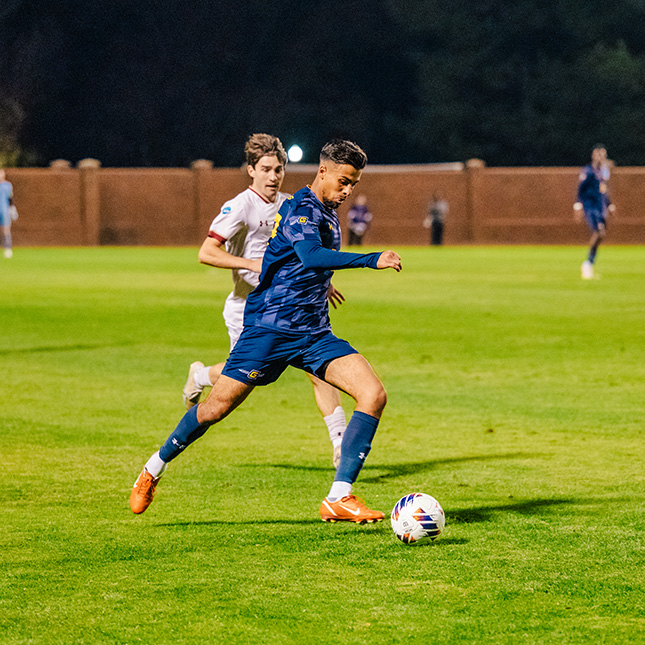
No football Saturdays here. At UNCG, the soccer field is where the action is this fall. The nationally ranked Spartan men’s team has a schedule packed with big matchups. 

On Friday, they play #24 West Virginia under the lights at 7 p.m. Be the home-field advantage and you’ll be hooked for future home games, especially the big matchups with ranked opponents like Furman (#14) on Oct. 3; NC State on Oct. 7 (#3); and Marshall (#22) on Oct. 13. Soccer games, like most UNCG athletic events, are free of charge for students and community members and include fun promotions.  

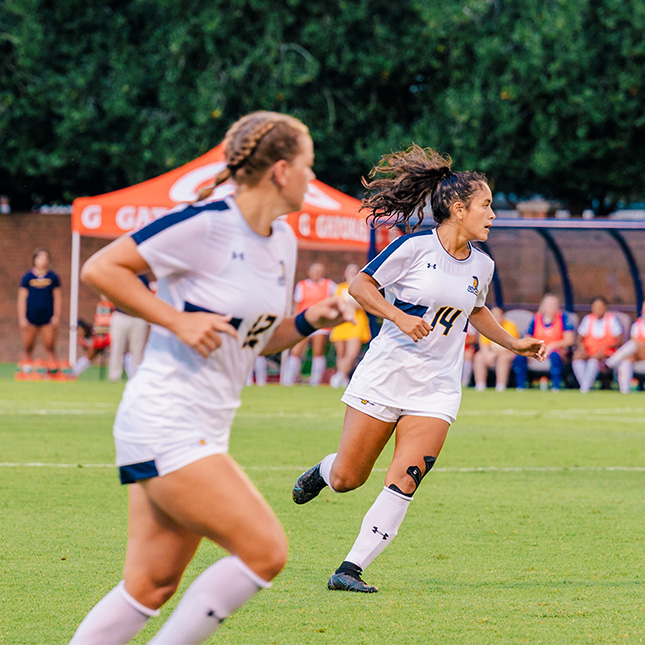
Women’s soccer also has upcoming home games: Radford on Sunday, Aug. 27; Western Carolina on Sept. 17; Tennessee Tech on Oct. 1; and Mercer on Oct. 4. All games begin at 6 p.m. 

And for those who prefer a spectator sport without the chance of a weather delay, choose the air-conditioned stands of Bodford Arena. There, our volleyball team will challenge in-state rivals from NC A&T, Davidson, and North Carolina Central on Sept. 11-12 before kicking off conference play Sept. 25. 
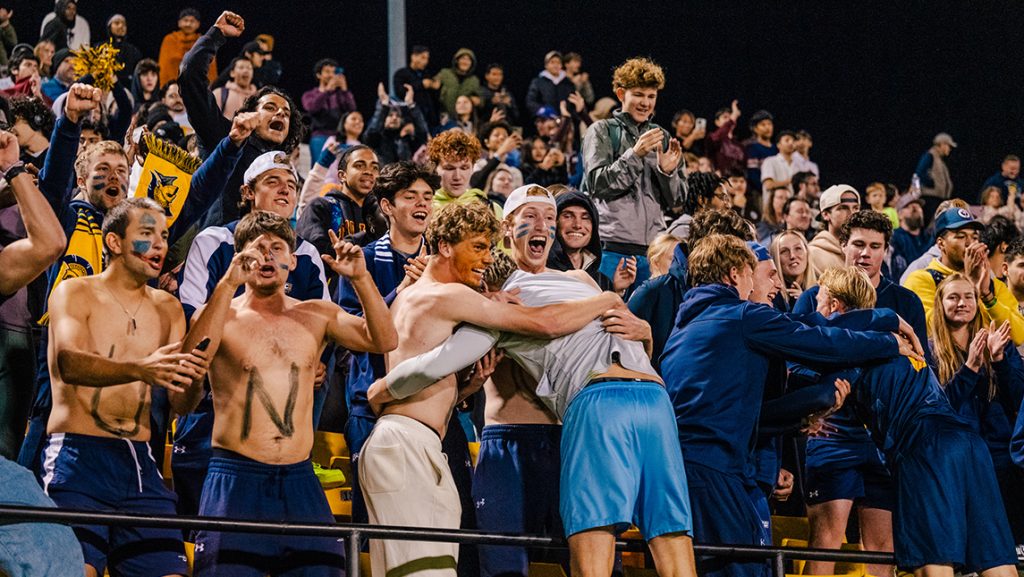
UNCG Soccer Fans

Women’s soccer also has upcoming home games: Radford on Sunday, Aug. 27; Western Carolina on Sept. 17; Tennessee Tech on Oct. 1; and Mercer on Oct. 4. All games begin at 6 p.m. 

And for those who prefer a spectator sport without the chance of a weather delay, choose the air-conditioned stands of Bodford Arena. There, our volleyball team will challenge in-state rivals from NC A&T, Davidson, and North Carolina Central on Sept. 11-12 before kicking off conference play Sept. 25. 
The G is for Gold (and Blue) 

UNCG Chancellor handing out tshirts on campus

No matter where your taste in spectator sports lies, we’re all Spartans at the G. And on Friday, Sept. 4 we want to see you in all your blue and gold finery. Sept. 4 is National College Colors Day, when schools across the country encourage their students, staff, and alumni to show their pride.  

On campus, Chancellor Gilliam has been known to call out students who aren’t wearing Spartan colors, so don’t be caught off guard. Mark your calendar and tell your friends to show up to class and show out in blue and gold! 

The G is for Getaway 

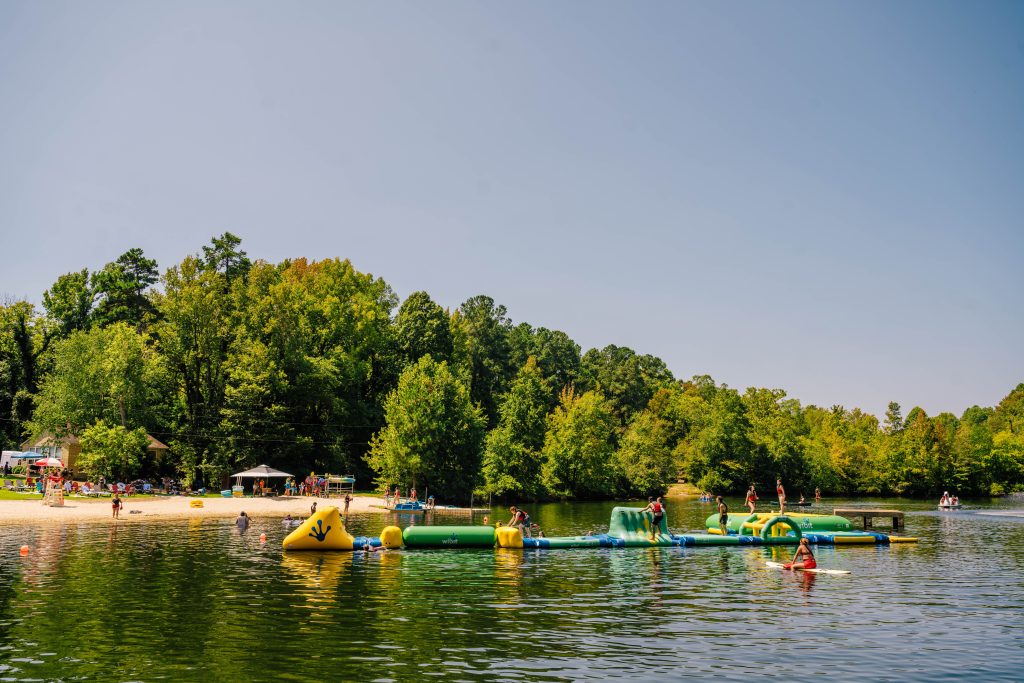
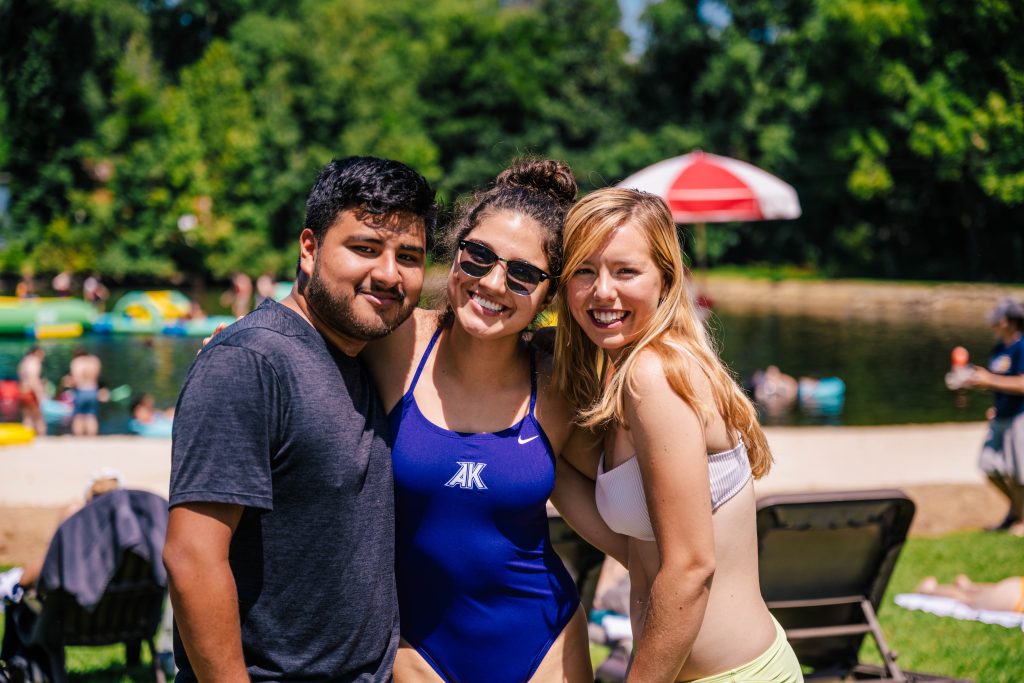
In September, fall may be just around the corner, but summer has not left the chat. Lucky for Spartans, we can extend our vacation mindset with a Saturday or Sunday at Piney Lake. Whether you need a break from campus, a quick way to get your toes in the sand, or an active excursion with friends, Piney Lake is the answer. 

Located only eight miles from campus on 40 acres near the Pleasant Garden community, the lake and surrounding grounds are open on weekends through October 4. Admission is free for UNCG students and Kaplan Center members, and shuttles run from the EUC if you need transportation. There, you’ll find volleyball and Frisbee golf, shelters and charcoal grills, hiking trails, and a myriad of water activities like kayaking, fishing, paddleboarding, and, of course, swimming.  

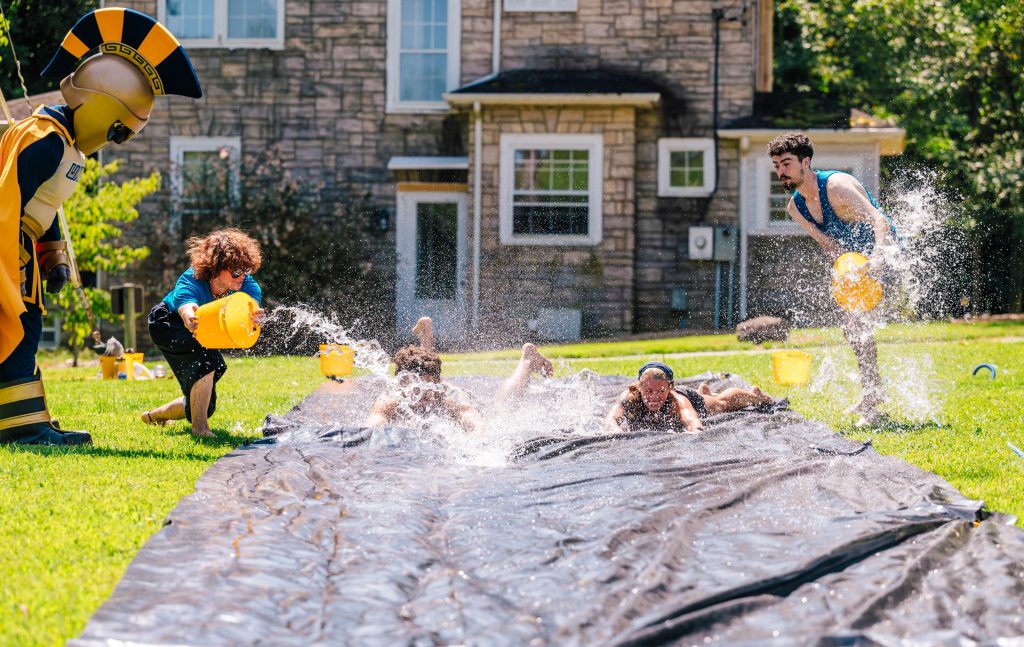
If you haven’t checked it out yet, take the plunge this Saturday and come out for Piney Palooza, Aug. 28 from 11 a.m. to 5 p.m. It’s a free event for UNCG students with slip-n-slides, giveaways, tie-dye stations, music, food trucks, and more. No need to drive all the way to the beach; Piney Lake is the perfect getaway. 

The G is for Greensboro 

Greensboro is more than just the city surrounding the campus. It’s an integral part of the Spartan experience. Make it your own by enjoying the many restaurants and coffee shops, considering a part-time job at a local business, and discovering local arts, history, and culture. Experience everything the city has to offer, and you’ll quickly feel like a local. 

The vibrance of our city is on full display when Greensboro hosts the NC Folk Festival Sept. 18-20. During the annual folk fest weekend, our downtown streets are full of art vendors, food trucks, and stages featuring musicians and bands representing 60+ genres. This year’s headliners include Molly Tuttle (Americana), St. Paul & the Broken Bones (Soul), and The Roots (Hip-Hop). 

As they say, all music is folk music. Move from a tent blasting indie pop to a jam session of contemporary jazz artists, and then to a stage rocking Mexican folk or reggae. It’s impossible not to find music you like at the NC Folk Festival, and attendees will often find a whole new favorite genre. Experience it all in downtown Greensboro on the third weekend of September, and the best part is that admission is completely free. 

Here’s what you can expect…

Whether you are a new student, a local alumnus, or a UNCG neighbor, consider your September plans set. Just dust off your dancing shoes, grab your sunglasses or favorite Spartan hoodie, and cheer for the home team. There’s no better place to be than right here at the G. 

Story by Becky Deakins, University Communications.
Photography by Sean Norona, University Communications.
Videography by David Row, University Communications.
Latest News

August 27, 2026

A Spartan’s Guide to September Fun at the G  

As the new school year gets underway, events like ranked soccer matchups, National College Colors Day, and NC Folk Fest offer studen...

August 27, 2026

Chancellor Gilliam Highlights UNCG’s Role Building Jobs, Research at State of Our Community Panel

At the event hosted by Greensboro Chamber of Commerce, Chancellor Gilliam emphasized intentional planning and collaboration between ...

August 26, 2026

What Are the August Blues? A UNCG Counseling Expert Explains

UNC Greensboro counseling expert Christian Chan explains the “August Blues,” including the stress, nostalgia, and “sunshine gu...

What's Trending

Connect with Us

Subscribe to our Top 5

Subscribe today to our Top 5 Weekly email

This field is for validation purposes and should be left unchanged.

Share Your Story

For the Media

Posted on August 27, 2026

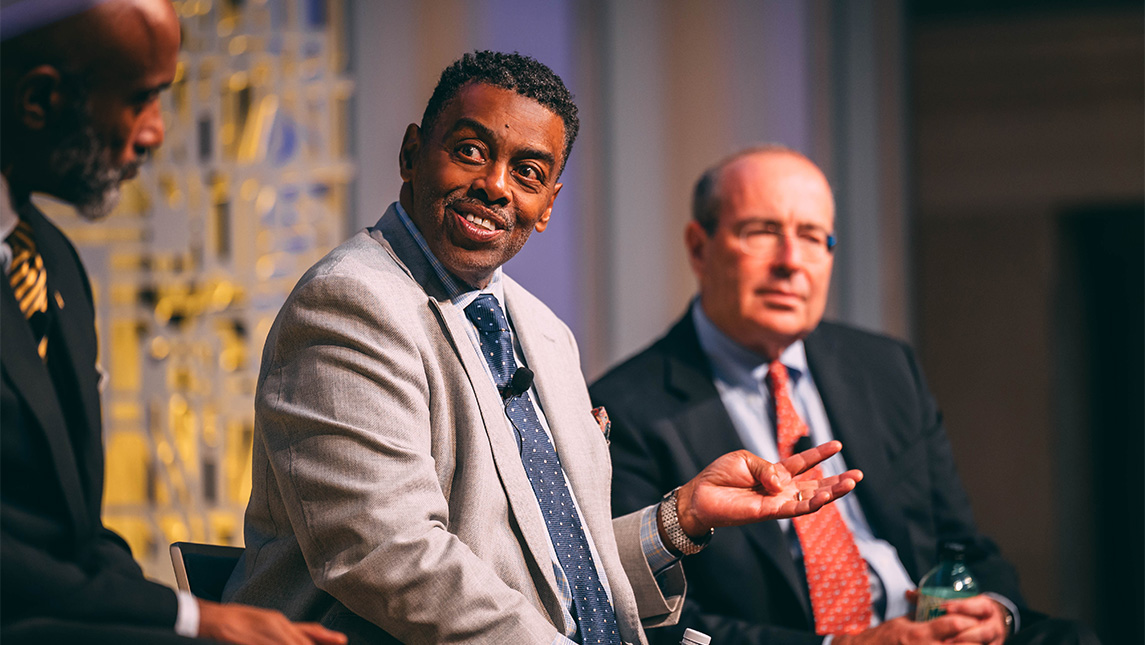
UNCG Chancellor Gilliam and two other men sit on a stage talking.

Underscoring the transformative power of a college degree, Chancellor Franklin D. Gilliam, Jr. highlighted UNC Greensboro as a driver of economic health, prosperity for families, and trailblazing research during an Aug. 26 panel discussion at the Greensboro Chamber of Commerce’s State of Our Community.

Joining North Carolina A&T Chancellor James R. Martin II and Federal Reserve Bank of Richmond CEO Tom Barkin, Gilliam highlighted UNCG’s contributions to Greensboro’s talent pipeline, research enterprise, and collaborative economic growth to a sold-out audience.

The panel, moderated by Greensboro Chamber President and CEO Brent Christensen, examined higher education’s economic impact and local universities’ partnerships with the private sector, growing industries, healthcare, and nonprofits.

Gilliam stressed approaching partnerships and engagement intentionally. “We tend to see independent or isolated assets here and there. But what can we do together, and what should we do together?” he said. “Whether it’s in aviation, whether it’s AI, whether it’s materials science, we have to have agreement on what Greensboro is, what stakeholders have to do, and then intentionally design ecosystems to support that.”

As an example, Gilliam cited Greensboro’s role as a host city for the 2026 FIFA World Cup this summer, with UNCG providing the training facilities. He said, “We had the Norwegian national team here, a great collaboration between the Sports Foundation, the Chamber, city, and University. That was a great example of how you can collaborate.”

The Chancellor’s remarks were made just days into the Fall 2026 semester, which is already shaping up to be another strong year. Initial enrollment data indicates UNCG’s largest class since 2019.

That momentum extends to the University’s research enterprise. Gilliam also highlighted UNCG faculty’s groundbreaking research, much of it conducted alongside graduate and undergraduate students as they begin their own scientific careers. From fungal bricks and phosphorous measurement to cathode power, faculty expertise turns discovery into practical solutions that serve communities and strengthen business partnerships.

This work is helping elevate UNCG’s national research profile. The University is on the verge of becoming an R1 institution, the top tier for research universities. Forty UNCG faculty researchers are among the top 2% cited worldwide. UNCG is also building on the momentum of recent partnerships with NC BioMISSION, Deloitte, and SparkNC.

Dr. Sherine Obare, vice chancellor for Research and Engagement, shared examples of work emerging from UNCG-led research initiatives in a video played during the State of Our Community. Among them, she highlighted iCOMMAND, which develops protective technology for military personnel, and Optera, a spin-out company creating products that support healthy beehives, essential to the crops that sustain farms and food systems.

Innovation is also taking shape beyond the laboratory. The Jeanne Tannenbaum Center for Creative Practice, the University’s new hub for creative innovation, is set to open its doors this fall as construction nears completion.

“UNCG’s momentum comes from connecting exceptional students and faculty with the people, ideas, and partnerships that move Greensboro forward,” Gilliam said. “Together, we are preparing talent, advancing discovery, and creating opportunity for our entire community.”

Story by Janet Imrick, University Communications
Photography by Sean Norona, University Communications

Latest News

August 27, 2026

A Spartan’s Guide to September Fun at the G  

As the new school year gets underway, events like ranked soccer matchups, National College Colors Day, and NC Folk Fest offer studen...

August 27, 2026

Chancellor Gilliam Highlights UNCG’s Role Building Jobs, Research at State of Our Community Panel

At the event hosted by Greensboro Chamber of Commerce, Chancellor Gilliam emphasized intentional planning and collaboration between ...

August 26, 2026

What Are the August Blues? A UNCG Counseling Expert Explains

UNC Greensboro counseling expert Christian Chan explains the “August Blues,” including the stress, nostalgia, and “sunshine gu...

What's Trending

Connect with Us

Subscribe to our Top 5

Subscribe today to our Top 5 Weekly email

This field is for validation purposes and should be left unchanged.

Share Your Story

For the Media

Posted on August 26, 2026

Featured Image for What Are the August Blues? A UNCG Counseling Expert Explains
Summer 2021 campus aerial photo

A UNC Greensboro counseling expert explains the late-summer stress, nostalgia, and ‘sunshine guilt’ — and how to make the transition to fall easier.

It’s late August. The sun is shining, the weather is hot and summery, and occasional late-afternoon showers take the edge off the heat just in time for sunset. It’s glorious. So why do you feel so down?

Dr. Christian Chan

If you’re affected by this late-summer malaise, you may have the August Blues.

It happens to a lot of people. A long summer of hot weather and high activity can leave us feeling physically drained, contributing to low energy or even irritability. Then the end of summer suddenly comes into view. Vacations and cookouts give way to school schedules, work, routines, and the approach of autumn — bringing with them a sense that something enjoyable is ending. For some, the last days of August can feel like a week of Sunday nights.

“At the end of summer, we’re experiencing this emotional shift,” says Dr. Christian Chan, associate professor in UNC Greensboro’s Department of Counseling and Educational Development. “Maybe you’re feeling a little bit down. Some people might be experiencing sadness; they might also encounter some anxiety, or nervousness, or worry. All of that can feel like stress. And in late summer, that can pair with this idea of guilt or nostalgia.”

‘Sunshine Guilt’

Some liken the feeling to “sunshine guilt” — the regret that comes from staying indoors on a beautiful, sunny day. By late August, that feeling can expand into something broader: the sense that you haven’t fully experienced summer.

Did you make the most of your summer? Maybe not. A recent survey by Talker Research revealed that 61% of Americans had not yet taken a summer vacation. For some, the end of August can bring the realization that summer didn’t include the trips, rest, or experiences they had hoped for.

It’s a kind of grief — looking back on the past couple of months and feeling you didn’t accomplish what you hoped, or didn’t take the trips or breaks you wanted. Maybe you’re tempted to cram your lost summer into the last few weeks. Or maybe you resign yourself to getting back on the grind. Both of these options, Chan says, only contribute to the stress.

“In August, many of us realize we have not taken the time to rest or to enjoy our summer,” Chan says. “That can add a lot to the stress we’re already feeling.”

How to Handle the August Blues

Chan recommends easing into the transition into autumn, even embracing it. “We don’t have to do everything all at once,” he says. “Take the last days of summer in stride. Prioritize what you can take care of right now — maybe one or two items on your list, or you can make plans for early fall.” 

He says that it’s possible to carry over our best summertime experiences into the other seasons, building rituals that can last all year long. The beach is still beautiful in October. And gathering with friends and family is not confined to summertime.

Establish a consistent social schedule through the cooler months to carry the summer vibe throughout the year. Set boundaries with work in the same way you might when your summer weeks are filled with plans. And remember that the other seasons offer plenty of opportunities for fun and relaxation, too.

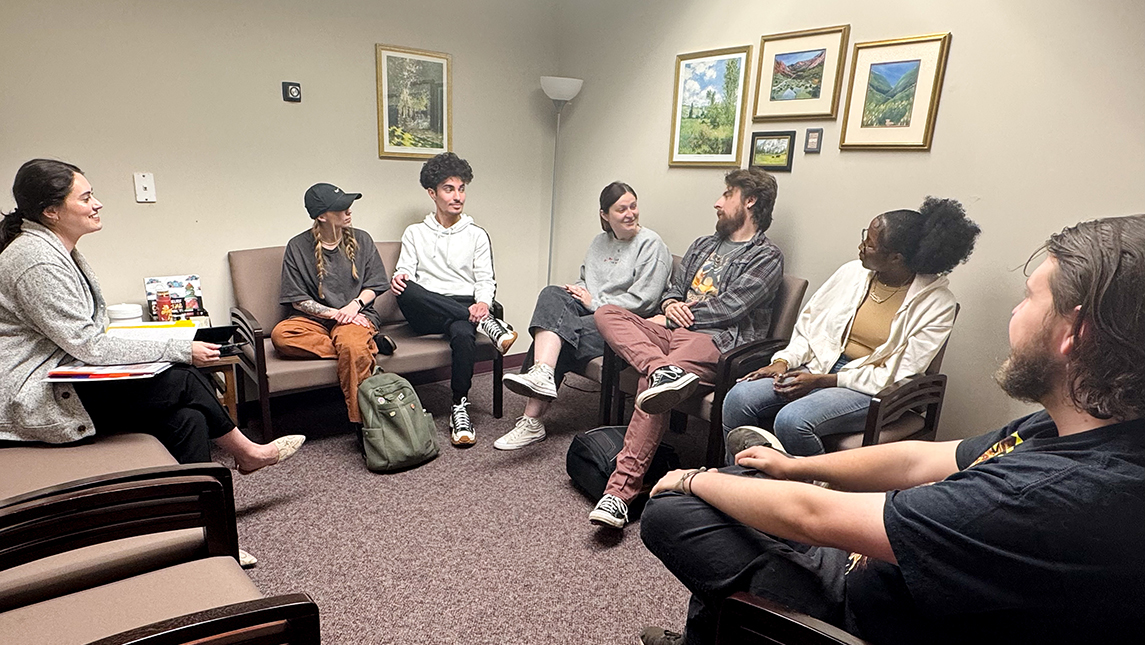
For many people, the August Blues are simply part of the emotional transition from summer to fall. If sadness, anxiety, or stress persists or begins interfering with daily life, talking with a counselor may help. UNCG’s Nicholas A. Vacc Counseling and Consulting Clinic offers low-cost counseling services to adults, children, couples, and families in the community.  

The UNCG Counseling Program was ranked No. 4 in the nation and No. 1 in North Carolina by U.S. News & World Report.

And remember: There’s always next summer.

Story by Brian Clarey, University Communications
Photos by Sean Norona, University Communications

looking for someone to talk to?

Latest News

August 27, 2026

A Spartan’s Guide to September Fun at the G  

As the new school year gets underway, events like ranked soccer matchups, National College Colors Day, and NC Folk Fest offer studen...

August 27, 2026

Chancellor Gilliam Highlights UNCG’s Role Building Jobs, Research at State of Our Community Panel

At the event hosted by Greensboro Chamber of Commerce, Chancellor Gilliam emphasized intentional planning and collaboration between ...

August 26, 2026

What Are the August Blues? A UNCG Counseling Expert Explains

UNC Greensboro counseling expert Christian Chan explains the “August Blues,” including the stress, nostalgia, and “sunshine gu...

What's Trending

Connect with Us

Subscribe to our Top 5

Subscribe today to our Top 5 Weekly email

This field is for validation purposes and should be left unchanged.

Share Your Story

For the Media

Posted on August 25, 2026

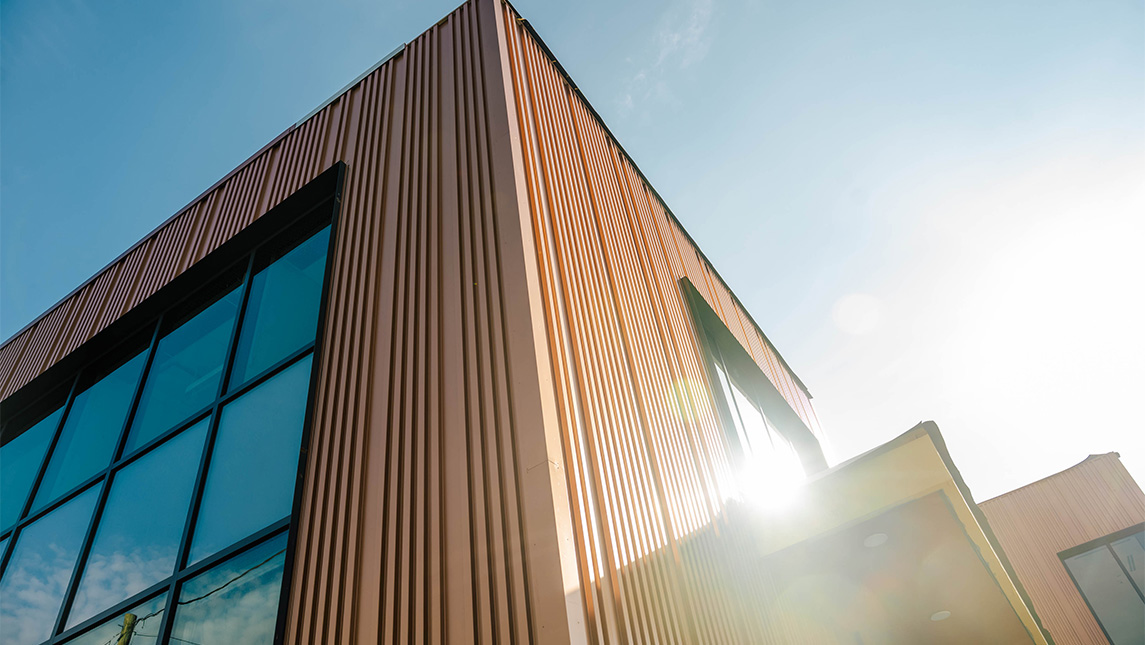
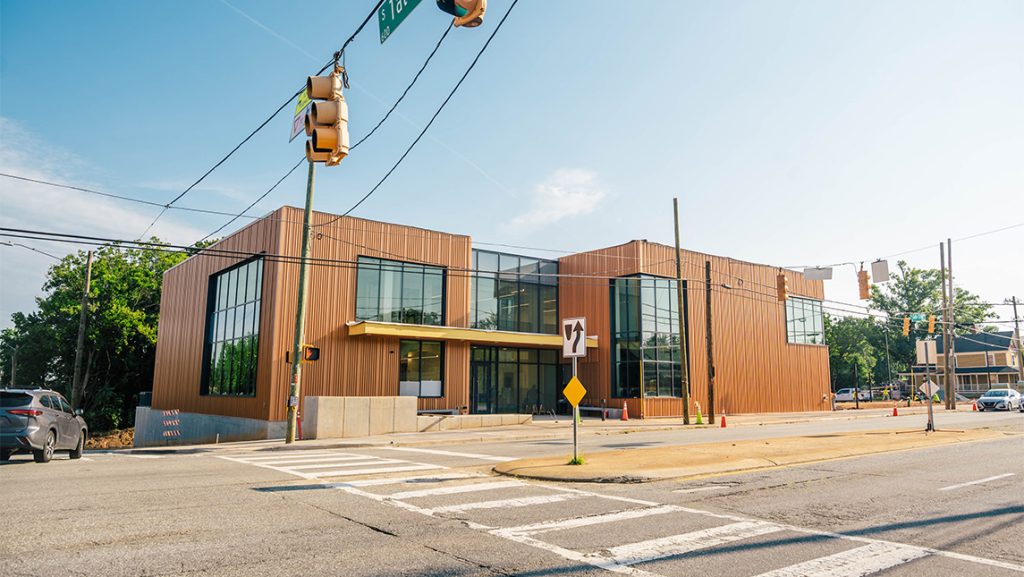
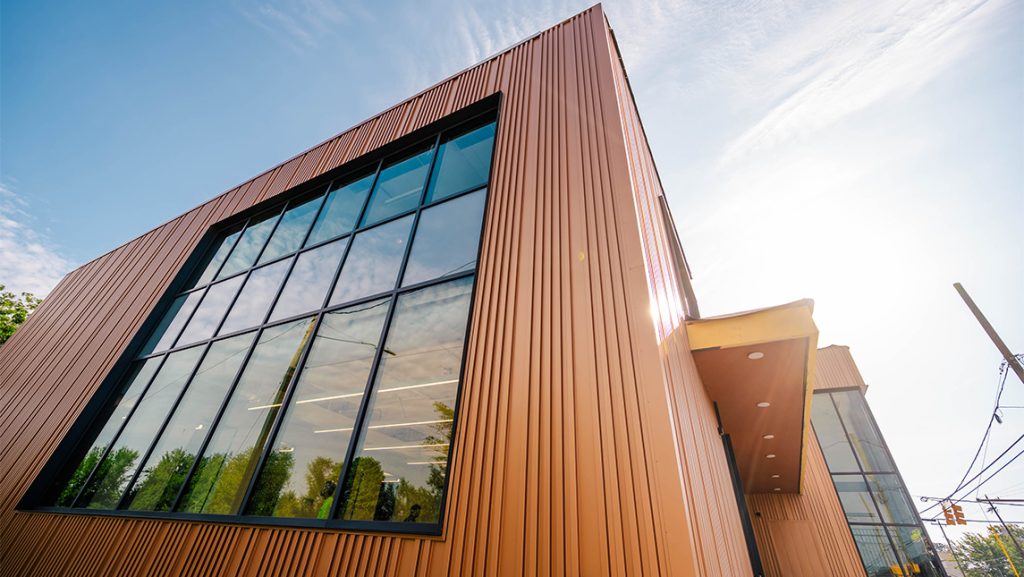
Sun glints off the side of the UNCG Tannenbaum Center.

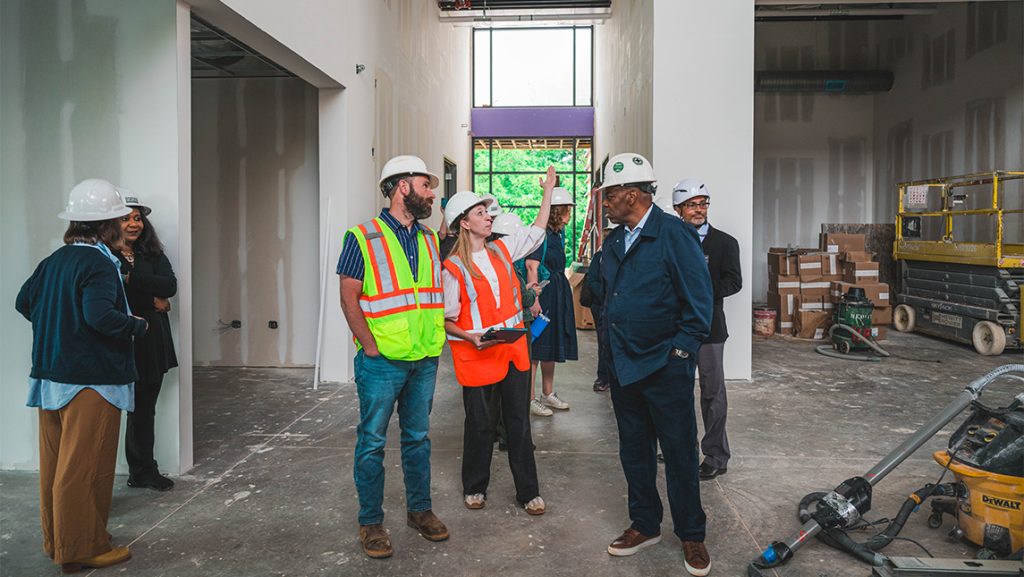
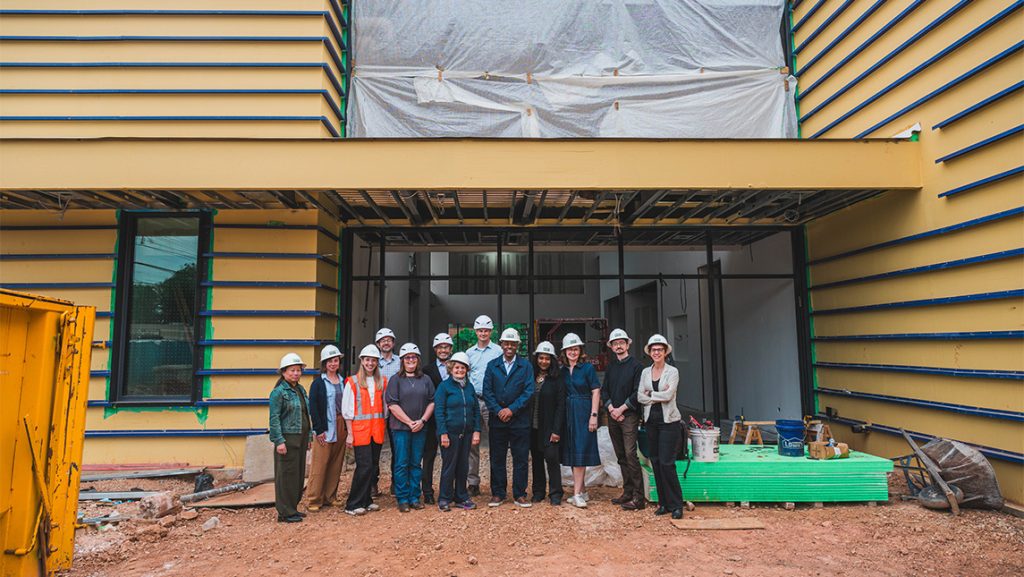
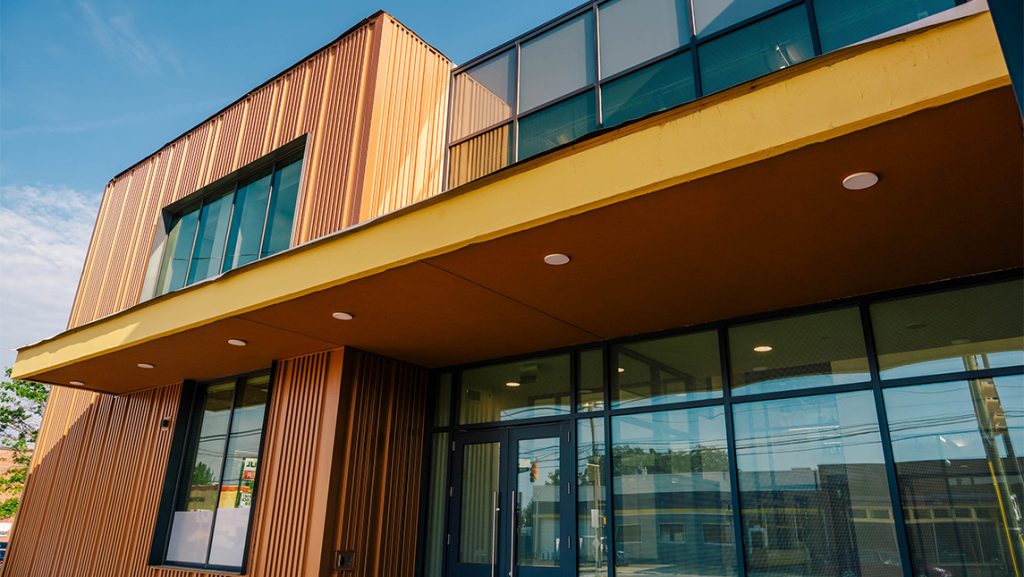
This fall, construction crews will put the final touches on the Jeanne Tannenbaum Center for Creative Practice. Its copper-toned siding already lights up the corner of Tate Street and Gate City Boulevard, a focal point of UNC Greensboro’s Millennial Campus Initiative.

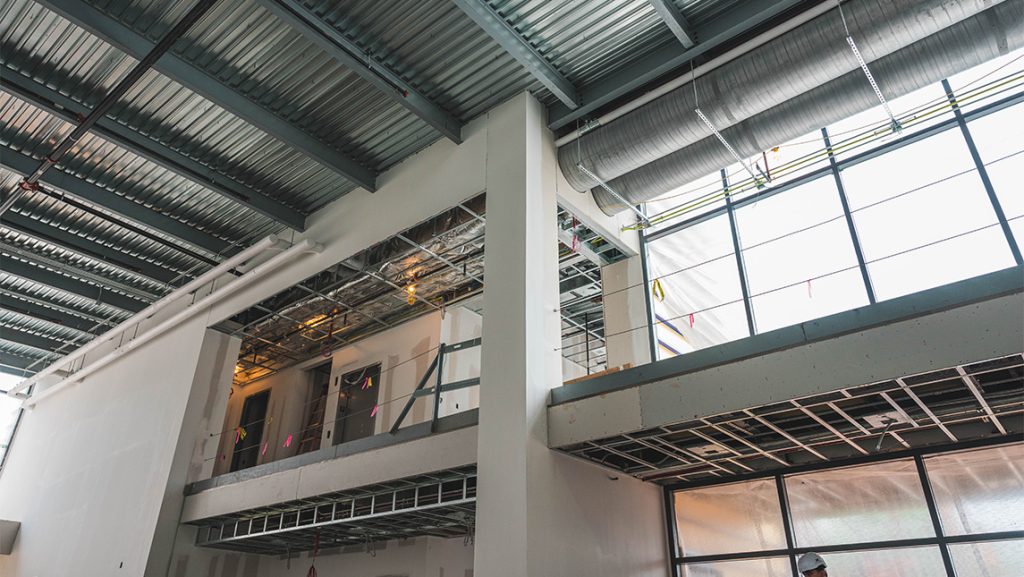
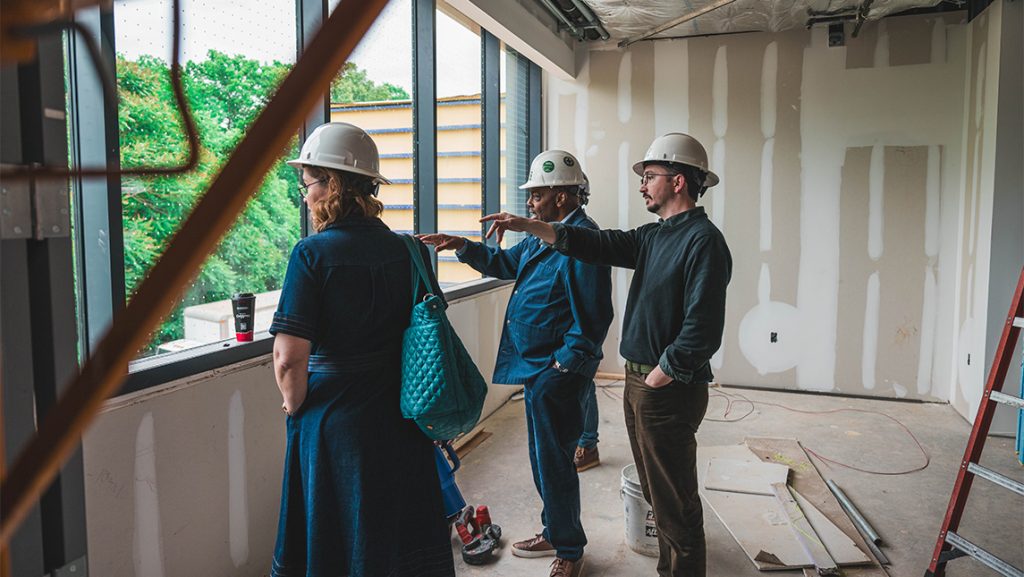
The Tannenbaum Center will host new, transformative enterprises through partnerships between UNCG faculty, students, and community members. Its flexible, modular spaces will encourage collaboration. Industry-standard equipment, such as an LED volume, will be used as tools to support interdisciplinary innovation.

UNCG will celebrate the Tannenbaum Center’s opening this fall with a ribbon cutting ceremony.

Here’s a preview of what is to come:

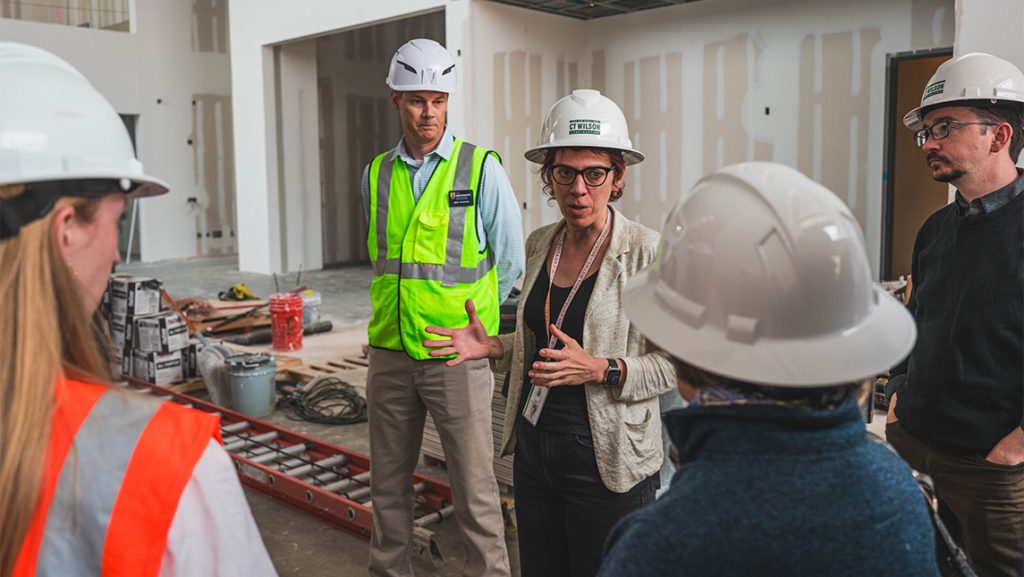
A tour of the interior under construction.

State-of-the-Art Technology Give Innovators Tools to Expand

At the Tannenbaum Center, people will visualize concepts using new, state-of-the-art technology. One of the most exciting features will be the LED volume in the immersive studio. Hit films and TV shows like “The Mandalorian” and “Stranger Things” have used LED volumes in their production.

At 16×40 feet long, the LED volume will be the largest of its kind in any UNC institution. Its curved surface and motion capture technology offers 3D interaction for research and engagement.

An aerospace engineer may use it to display all angles of a prototype engine. A video game designer may walk through the world they built for their games. A company can use real-time motion capture to walk employees through a training scenario. The immersive studio with LED volume will host interactive workshops, presentations, and performances. Community events featuring the LED volume include film screenings and video game nights.

The Tannenbaum Center will host LED volume trainings for faculty and industry professionals beginning this fall. UNCG’s Department of Media Studies and Applied Research in Computer Arts, Digitization, and Esports (ARCADE) are both partners in activating the LED volume and incorporating it into classroom instruction, community-driven, and industry-driven projects that spark bold ideas and contribute to student success.

Tannenbaum Made Brings More ‘Soul’ and Side Hustles to Greensboro

Upcoming programs at the Tannenbaum Center are already driving innovators to pitch ideas, collaborate, and combine talents. One such example is the team-up of ethnobotanist and Grammy-winning musician Justin Robinson and filmmaker D.L. Anderson. They are part of the Tannenbaum Made (TM) incubator program.

Robinson and Anderson will partner with UNCG’s Genetic Counseling Program on “German Soul.” This live documentary experience will feature film, live music, and narration tracing Robinson’s journey through his family recipes and genealogy from the Carolinas to West Africa.

Another undertaking promoting social change will come through the Tannenbaum Center’s Creative Community Connectors (CCC) program. The inaugural member is Shante Renee Woody, former manager of The People’s Market, a farmer’s market in the Glenwood neighborhood next to UNCG.

Woody is introducing Side Hustle University (SHU) for local entrepreneurs and emerging business owners. It will support their ventures through workshops, networking events, and resource fairs. Its Masterclass summit will bring together educators, business owners, and other experts to share stories and strategies for long-term growth.

These partnerships advance UNCG’s Millennial Campus, one of its initiatives to form public-private partnerships that promote health and prosperity in Greensboro while offering more academic experiences for students.

Faculty and Students Work, Learn, Get Public Involved in Research

UNCG experts will demonstrate the Tannenbaum Center’s versatility through the PROTOTYPE Faculty Fellows. This grants residencies to up to four faculty members committed to community engagement and creative practice.

This year’s PROTOTYPE Faculty Fellows represent the School of Dance, Department of Media Studies, Department of Interior Architecture, and Genetic Counseling Program. Each fellow will hold public events at the Tannenbaum Center so that the community can interact with their work in progress.

UNCG will further inform the experience at the Tannenbaum Center with its Faculty Advisory Committee, comprised of experts from across the University that support its mission and vision.

Students will see some of their work go on display within its walls. This fall, the Tannenabum Center will host Limits of Freedom, an exhibition exploring the lives of free and enslaved African Americans in Guilford County. It was created by students and faculty from the Department of History for the America 250 NC project.

Arts Administration students will work behind the scenes at the Tannenbaum Center on programming and operations. With visionary work happening mere steps away from their classes, they will learn the ins and outs of marketing, communication, event programming, and community engagement.
UNCG can’t wait to open the doors to the Jeanne Tannenbaum Center for Creative Practice. As the countdown to its completion ticks down, be on the lookout for dates of public events.

Story by Janet Imrick, University Communications
Photography by Sean Norona, University Communications

Exterior of the Tannenabum Center under construction.

Follow Tannenbaum Center Updates.

Latest News

August 27, 2026

A Spartan’s Guide to September Fun at the G  

As the new school year gets underway, events like ranked soccer matchups, National College Colors Day, and NC Folk Fest offer studen...

August 27, 2026

Chancellor Gilliam Highlights UNCG’s Role Building Jobs, Research at State of Our Community Panel

At the event hosted by Greensboro Chamber of Commerce, Chancellor Gilliam emphasized intentional planning and collaboration between ...

August 26, 2026

What Are the August Blues? A UNCG Counseling Expert Explains

UNC Greensboro counseling expert Christian Chan explains the “August Blues,” including the stress, nostalgia, and “sunshine gu...

What's Trending

Connect with Us

Subscribe to our Top 5

Subscribe today to our Top 5 Weekly email

This field is for validation purposes and should be left unchanged.

Share Your Story

For the Media

Posted on August 20, 2026

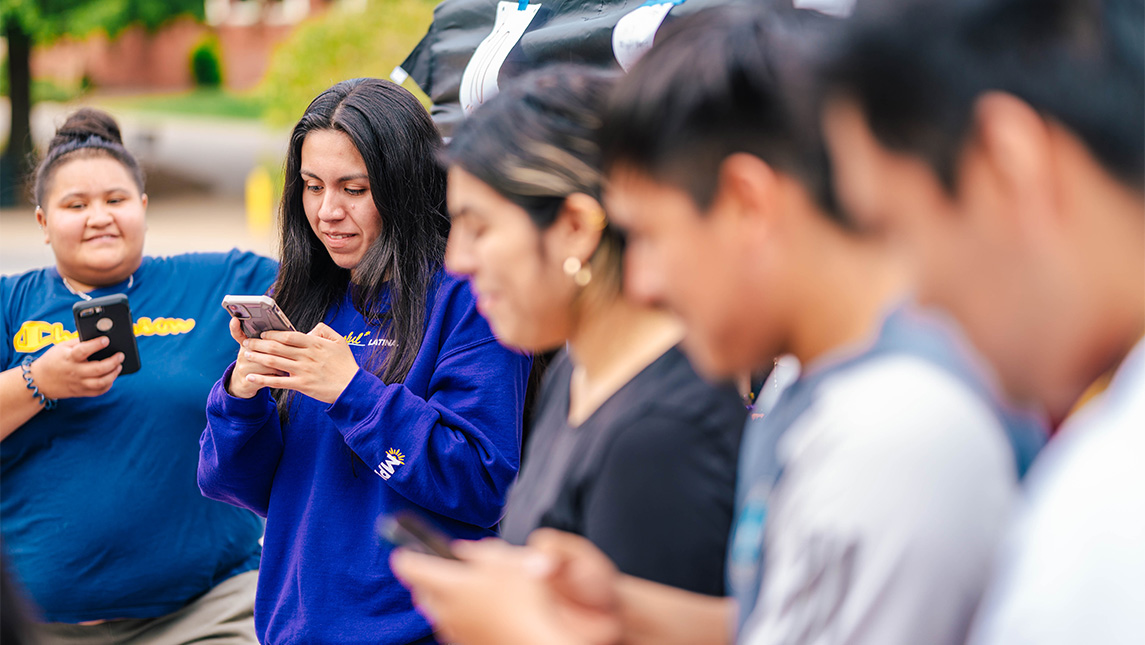
A group of college students using their phones.

Students, faculty, and staff who configured a computer, phone, tablet, or other device for eduroam, UNCG’s primary Wi-Fi network, using SecureW2 before Aug. 7, must re-enroll their device by Sunday, Sept. 13. Devices that are not updated may lose Wi-Fi access on campus when a new security certificate is deployed.

No action is required for devices configured on or after Aug. 7 or for UNCG-managed GCN Windows and Mac computers.

Click to update devices.

Latest News

August 27, 2026

A Spartan’s Guide to September Fun at the G  

As the new school year gets underway, events like ranked soccer matchups, National College Colors Day, and NC Folk Fest offer studen...

August 27, 2026

Chancellor Gilliam Highlights UNCG’s Role Building Jobs, Research at State of Our Community Panel

At the event hosted by Greensboro Chamber of Commerce, Chancellor Gilliam emphasized intentional planning and collaboration between ...

August 26, 2026

What Are the August Blues? A UNCG Counseling Expert Explains

UNC Greensboro counseling expert Christian Chan explains the “August Blues,” including the stress, nostalgia, and “sunshine gu...

What's Trending

Connect with Us

Subscribe to our Top 5

Subscribe today to our Top 5 Weekly email

This field is for validation purposes and should be left unchanged.

Share Your Story

For the Media

Posted on August 19, 2026

Featured Image for UNCG’s Alan Chu Takes National Leadership Role in Sport Psychology 
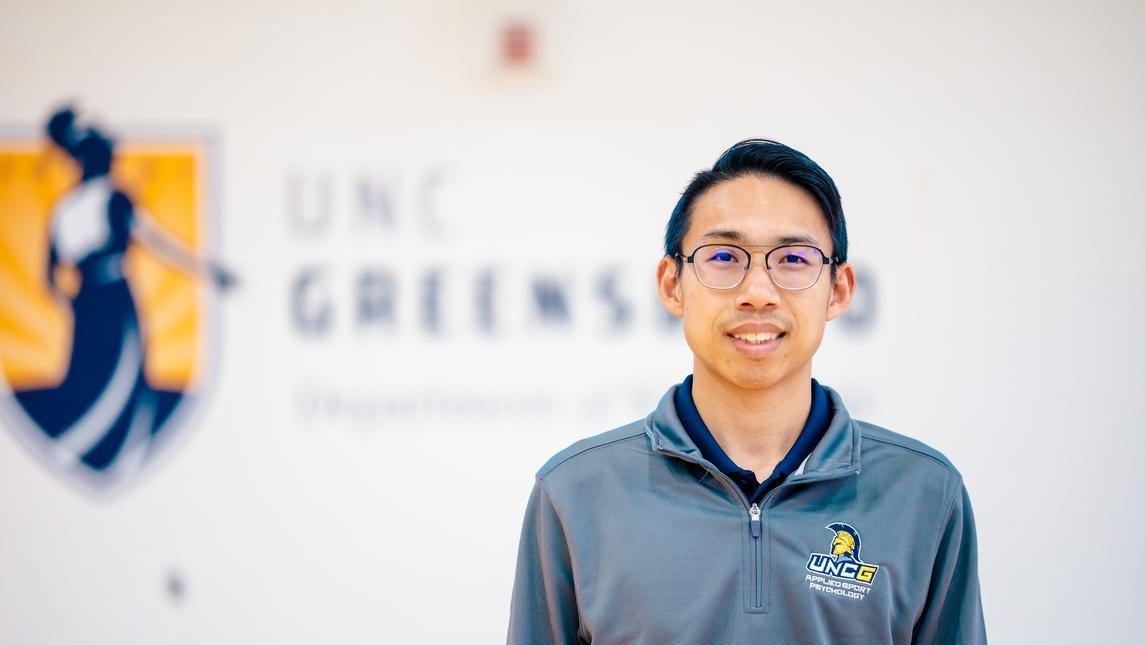
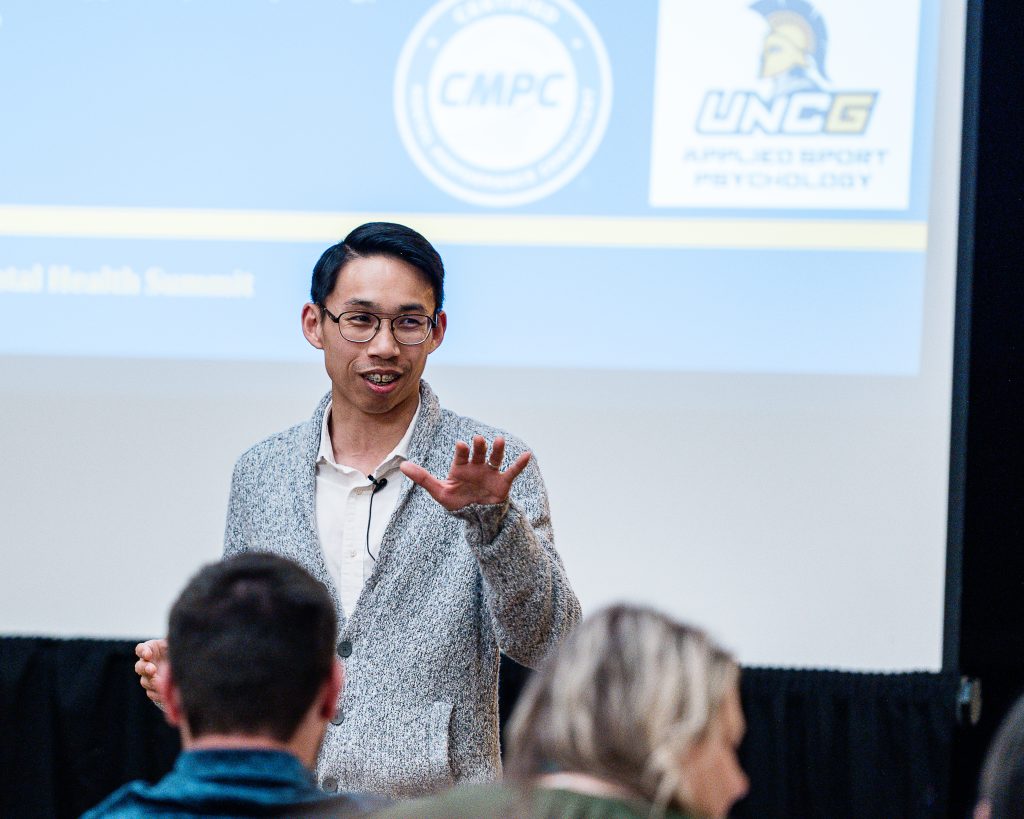
Dr. Alan Chu and his students study applied psychology

Competitive table tennis player brings lessons from the mental game to the future of his field

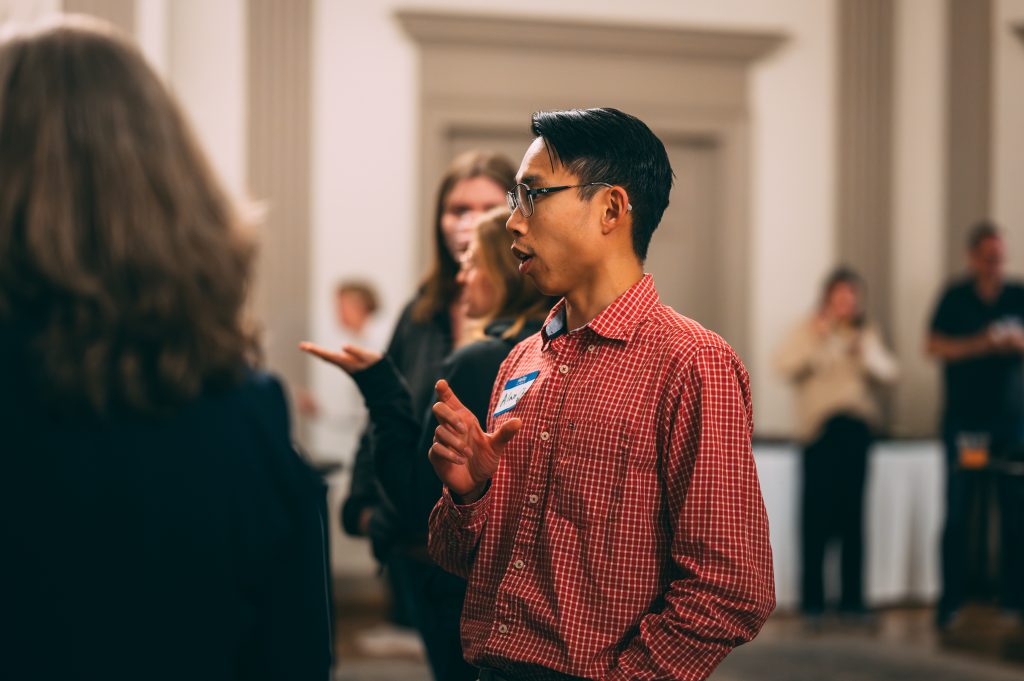
Dr. Alan Chu, AP associate professor of applied sport psychology in UNC Greensboro’s School of Health and Human Sciences, learned firsthand how mental preparation can affect athletic performance. Now he’s taking a national leadership role in helping shape how sport psychology is researched, taught, and practiced in the years ahead. 

A Leadership Role with the AASP 

In July, Chu was elected as head of the Research and Practice Division of the Association for Applied Sport Psychology (AASP) by its members. This executive board position recognizes years of research, professional service, and applied work in sport psychology. AASP is the leading professional organization in North America for sport psychology practitioners and researchers.  

A member of the AASP since 2012, Chu has already served the association in numerous roles, most recently as chair of the Science to Practice Committee, which promotes applied research and innovative projects that advance sport psychology.  

“I’m just really excited,” Chu says. “AASP is my professional home. I served as a student delegate when I was a PhD student, and I have been a member of one committee or another. So, it’s nice to see that I’m being recognized and asked to step up.” 

Learning the Mental Game 

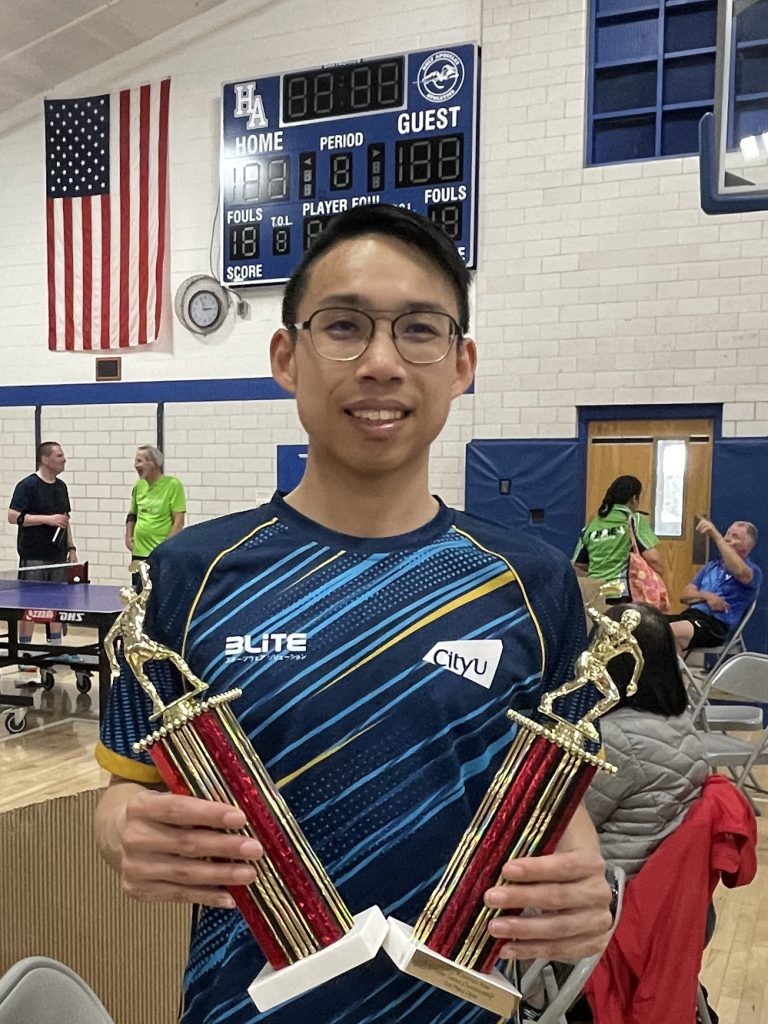
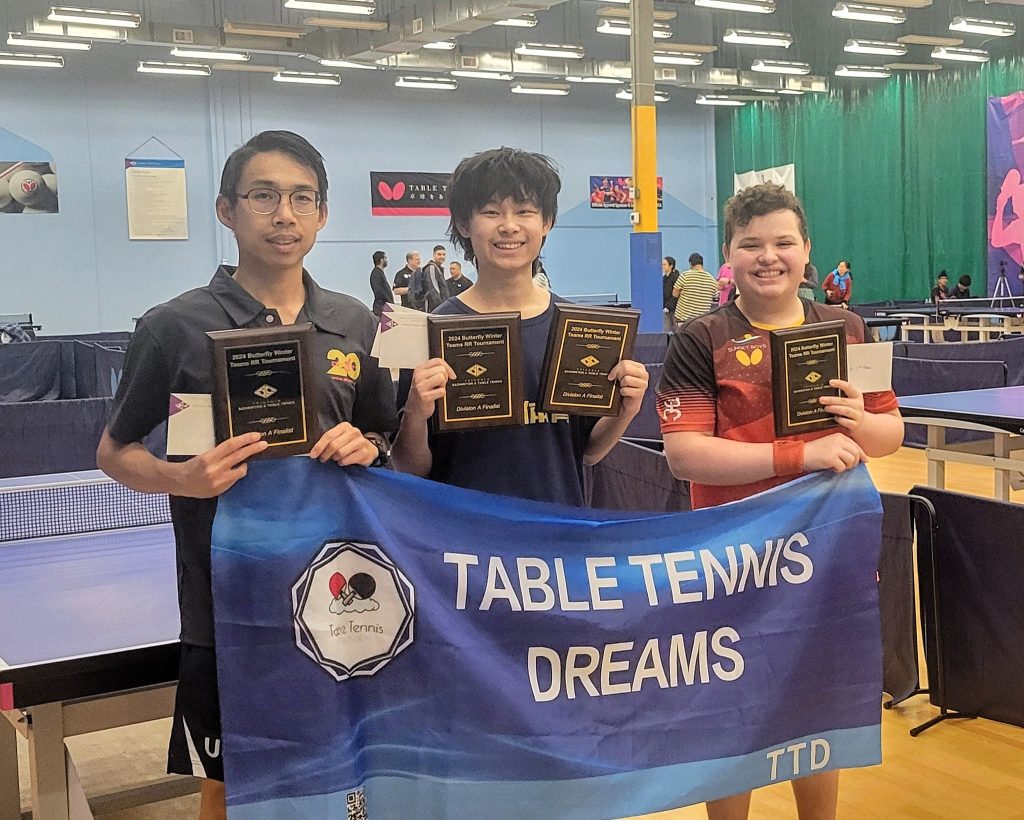
Chu’s journey into sport psychology began in Hong Kong, where he grew up and learned the sport of table tennis. He played competitively starting at age 5, reaching an early peak when he was invited to try out for the junior national team while still in high school. 

“I was supposed to have a good chance to make it, but I lost my first match,” he says. “And I was beating myself up over that, so I lost more matches than I should have. That caused me to reflect and understand how important it is to have mental preparation.” 

Chu did not make the junior national team in that outing; in his disappointment, he considered dropping out of the sport. “That was my first milestone, from the negative side,” he says. “But the second milestone was positive.” 

It happened while he was a student at the City University of Hong Kong, where he earned a bachelor’s of social science in psychology. The school had a table tennis team, and he decided to try out as a walk-on. He made the team and, in doing so, learned about much more than just drop shots and topspin: He found himself in a supportive environment that helped shape his goal of working with athletes and others on the mental side of competition. 

He played through his undergraduate years, eventually becoming captain and leading the team to a national championship. 

“It was a really good team environment,” he remembers. “The coach also made a big impact on me. She talked to me like I was more of a person than an athlete.” 

The Long Road to UNCG 

After earning advanced degrees in counseling and educational psychology in the United States, Chu began his faculty career at the University of Wisconsin-Green Bay, where he led the Sport, Exercise, and Performance Psychology program. He came to UNCG because it offered something he had been seeking throughout his career: a place where research and applied work could intersect. 

“UNCG has a fantastic sport psychology program, both for research and applied psychology,” Chu says. “I am always looking for opportunities to do both research and applied work with the community. I found that here. And I got to meet different UNCG faculty, including Dr. Diane Gill, who just retired from UNCG two years ago.” Gill, who spent 38 years at UNCG, is a trailblazer in the field of sport and exercise psychology. 

Chu teaches classes, mostly at the graduate level, and is currently working with a PhD student and several master’s students in applied sport psychology. He has applied his own research to create the SMART Program, an acronym that stands for Self-compassion, Mindfulness, and Athletes’ Resilience Training. It’s an 8-week program that helps athletes perform both on the field and in life. He teaches these skills in the community in places like the YMCA and BetterUp, an online company that uses the principles of sport to coach business executives. 

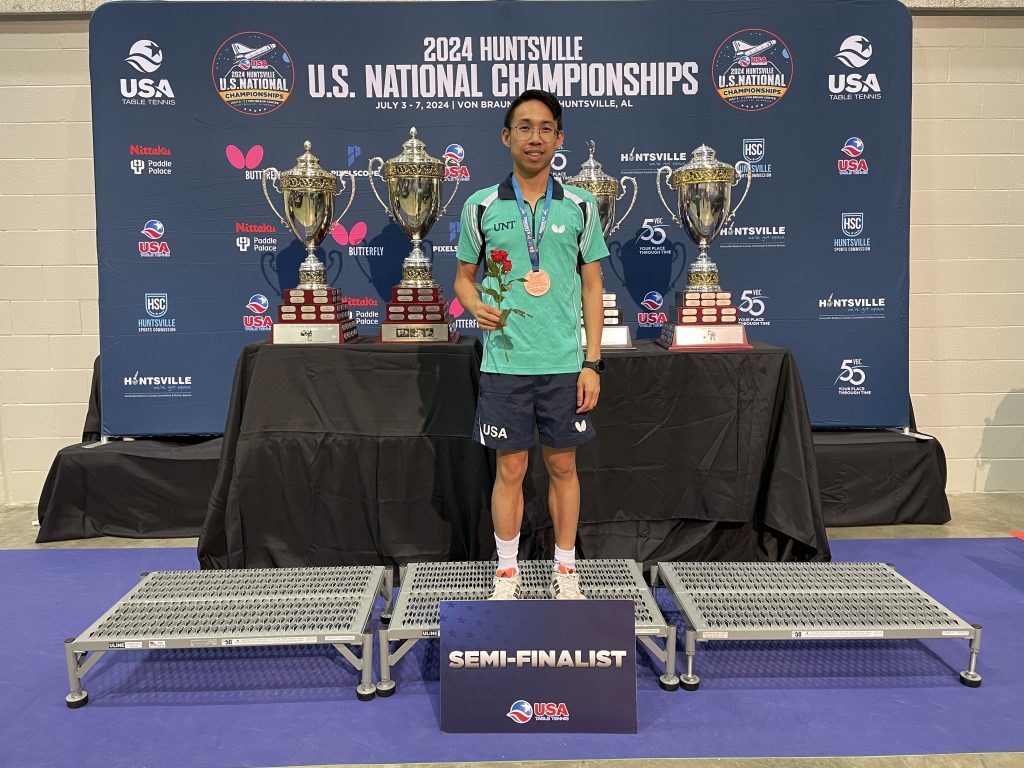
And then there is table tennis, which Chu still plays competitively. 

“North Carolina is one of the top four or five states for table tennis,” he says. “There’s a facility in Apex where I train with several current or former junior national team members.” 

A Mandate to Oversee Accreditation 

As head of the AASP Research and Practice Division, Chu says one of his most important tasks is to oversee the accreditation of graduate programs within his discipline. Accreditation sets a standard in qualifications for all students seeking advanced degrees in sport psychology. 

“Accreditation is something pretty common in programs like psychology, athletic training, or physical therapy,” he says, “but in sport psychology, we didn’t have any accreditation. So, the AASP started an accreditation process last year, making sure that students who go through these programs get the training that they need to be qualified professionals.” 

The AASP accreditation window opened in January 2025. Chu says the accreditation process is directly relevant to the graduate students he teaches at UNCG.  

“The whole idea is turning the inner critic into the inner coach,” he says. “It goes back to that moment when I tried out for the junior national team in Hong Kong. Instead of beating ourselves up as the inner critic, how do we find the inner coach in that moment to talk to ourselves and coach through adversity?” 

Story by Brian Clarey, University Communications 
Photos by Sean Norona, University Communications and courtesy of Dr. Alan Chu and

Alexandra Dodashev holds her tennis racket on the court while playing for UNCG.

From the inner critic to the inner coach

Latest News

August 27, 2026

A Spartan’s Guide to September Fun at the G  

As the new school year gets underway, events like ranked soccer matchups, National College Colors Day, and NC Folk Fest offer studen...

August 27, 2026

Chancellor Gilliam Highlights UNCG’s Role Building Jobs, Research at State of Our Community Panel

At the event hosted by Greensboro Chamber of Commerce, Chancellor Gilliam emphasized intentional planning and collaboration between ...

August 26, 2026

What Are the August Blues? A UNCG Counseling Expert Explains

UNC Greensboro counseling expert Christian Chan explains the “August Blues,” including the stress, nostalgia, and “sunshine gu...

What's Trending

Connect with Us

Subscribe to our Top 5

Subscribe today to our Top 5 Weekly email

This field is for validation purposes and should be left unchanged.

Share Your Story

For the Media

Posted on August 24, 2026

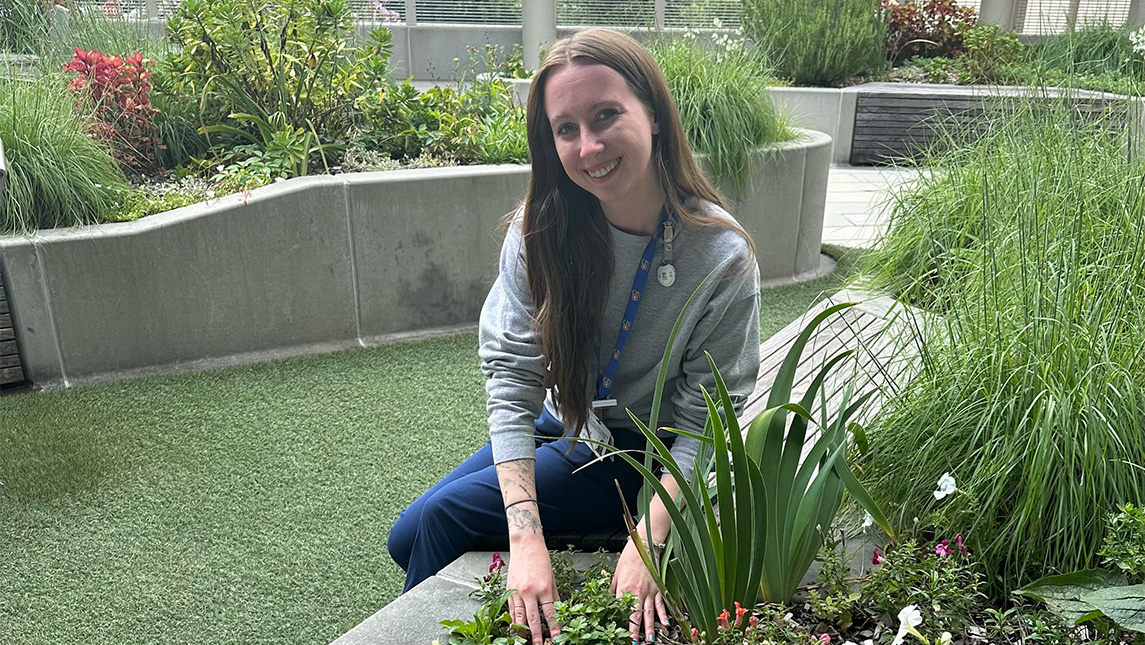
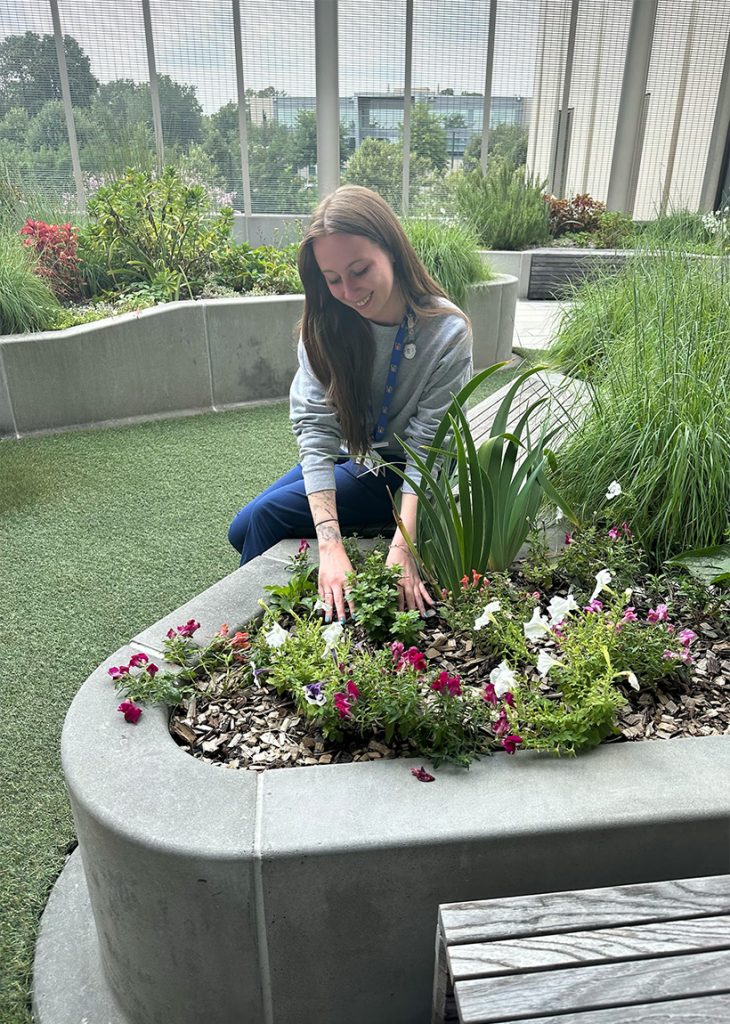
Belle Downing sits in an indoor garden.

Don’t underestimate the healing power of hobbies. Plunking out a tune on the piano or digging in the dirt is all in a day’s work for Belle Downing ’21, ’22 MS, a licensed recreational therapist and certified therapeutic recreation specialist.

“Leisure is so many different things,” says Downing, who works for Duke Behavioral Health. “There are so many ways we can take our passions, personal skills, and interests and use them to truly change somebody’s life.”

With her degrees in parks and recreation management with a concentration in therapeutic recreation, Downing proves that leisure activities do more than fill free time. They help to improve mood, overcome unhealthy habits, and even recover from trauma.

Since high school, she felt called to help people improve their lives through therapy. It was during a tour of UNC Greensboro that she learned about recreational therapy. “What I wanted in my career was to directly use things like art, music, games, and outdoor activities to help inspire people to take autonomy and control over their health,” she says.

Patient Interests Drive the Flow of Therapy

A typical day of work for Downing begins with checking the list of patients staying at Duke Regional Hospital. When someone new is admitted, she assesses their goals, interests, and overall wellbeing.

Belle Downing poses in her uniform.

Using a concept known as flow theory, she determines what type of activity will benefit each of them. From there, she organizes individual and group interventions centered around recreation. “We want activities that challenge them, but they can’t be so challenging that they don’t want to do it,” she says.

But her job isn’t all fun and games, even the fun-and-games part. A recreational therapist has to become enough of an expert in many hobbies to lead different groups with different interests. Some are easier to pick up than others. Before working at Duke, Downing was program director for Spring Arbor Senior Living. There, she arranged daily activities for dozens of residents to do together or with visiting relatives. When the residents asked for gardening, she had to research horticulture to lead those activities.

“Admittedly, I almost got burnt out on gardening after that,” she recalls. “But I like how there’s always room to be constantly learning new things.”

Another part of her job is ensuring each environment is welcoming and safe, since some patients have gone through painful or harrowing experiences. But balancing leisure with a sense of safety and control comes naturally to Downing. It was infused into her studies at UNCG, from her undergraduate years to the defense of her master’s thesis.

Therapy Degree Broadens the Benefits of Leisure

Downing grew up in Waxhaw, N.C. When figuring out a good career to pursue, she thought about trying occupational therapy. “I wasn’t really set on it, but I had just heard about it as a way to help people with functional impairments, to help people with a variety of different creative interventions,” she says.

Then she visited UNCG, where she met Kim Miller, an associate professor in what is now the Department of Sport Management & Recreational Therapy. Downing says the rest was history: “After sitting down with Kim and telling her the things I wanted to do, she quickly said, ‘I think you want to do recreational therapy.'”

Belle Downing plays music on a keyboard.

She learned the different ways recreation can spur recovery. It can restore social life and connection to the community. It can rekindle passion for hobbies a patient loved but fell out of doing because of a physical or mental condition.

“If you’re experiencing a depressive episode, for example, you’re probably losing interest in activities you usually enjoy,” Downing explains. “And when you stop doing those activities, you’re not socializing as much. You’re not challenging your cognition. Your mood’s going to decrease, and so does your engagement in activities, so that just makes you feel even worse.”
Fast Track to Trauma Informed Care

Downing qualified for UNCG’s Accelerated Master’s Program, which applies graduate-level coursework to both the undergraduate and graduate degree, speeding up the time to graduation.

During those fast-paced years, Downing’s education revolved around hands-on learning. Her internship at Atrium Health Wake Forest Baptist included exercise programming, anger and stress management, and other forms of group therapy. She completed all three levels of the UNCG Leadership Challenge, culminating in teaching leadership skills to local youth through the SHIELD Mentor Program.

One of her most defining experiences came out of her undergraduate years, when she volunteered for a local safe haven organization for survivors of human trafficking. “Through that experience, I learned just how widespread trauma is,” she says.

Downing chose to make her master’s thesis about Trauma Informed Care (TIC) in recreational therapy. Even a detail as simple as asking the patient’s permission before closing the door to the room makes a difference in their recovery.
“Anybody can follow TIC guidelines to ensure that when they’re working with somebody or even just approaching that person, they can prevent re-traumatization,” she says.

A New Career Takes Root and Flourishes

Since graduation, Downing has helped patients manage many kinds of mental health challenges, including behavioral disorders, substance abuse, and trauma.

Belle Downing in an indoor garden.

She also keeps pushing herself as a leader. When she joined the team at Duke Regional in 2024, they asked her to take the lead rolling out a new therapeutic program: gardening.

This time, Downing turned to a nearby resource, Duke Gardens. The botanical staff not only provided her with plants but with expertise for designing new activities, which she used to talk to patients about themes such as resilience.

“You could say it’s interdisciplinary,” she says, “It’s a partnership between horticulture specialists and rec therapy and physicians who make it possible.”

Aside from literal gardening, “blooming” is how she describes her time at UNCG. She credits a lot of that to the faculty. They were the “sunshine” that helped her grow.

“They were obviously bright, both smart and in personality,” she says. “It just made me feel inspired and encouraged to be creative and really tap into my leadership skills.”

Whether she works with a patient for a couple days or a few weeks, it’s rewarding to watch them bloom in their own way.

“One of my groups is about how to show gratitude for ourselves,” she says. “We have them write letters to themselves about why they matter. Oftentimes I can see the light bulbs go off in their heads, realizing that ‘I’m not as bad as I’ve been saying I am.’ To see them trying a new leisure activity, finding flow, enjoying it, and learning, I think that’s the best part of the job.”

Story by Janet Imrick, University Communications
Photography courtesy of Belle Downing, Duke Behavioral Health

Turn recreation into A Place of Care.

Latest News

August 27, 2026

A Spartan’s Guide to September Fun at the G  

As the new school year gets underway, events like ranked soccer matchups, National College Colors Day, and NC Folk Fest offer studen...

August 27, 2026

Chancellor Gilliam Highlights UNCG’s Role Building Jobs, Research at State of Our Community Panel

At the event hosted by Greensboro Chamber of Commerce, Chancellor Gilliam emphasized intentional planning and collaboration between ...

August 26, 2026

What Are the August Blues? A UNCG Counseling Expert Explains

UNC Greensboro counseling expert Christian Chan explains the “August Blues,” including the stress, nostalgia, and “sunshine gu...

What's Trending

Connect with Us

Subscribe to our Top 5

Subscribe today to our Top 5 Weekly email

This field is for validation purposes and should be left unchanged.

Share Your Story

For the Media

Posted on August 20, 2026

Students wearing matching UNCG t-shirts hold paddles that say

UNCG faculty and staff can make a lasting impact on the students, programs, and campus community they help shape every day through payroll deduction giving.

Choose the UNCG fund, school, college, program, or initiative that matters most to you, select a recurring gift amount that fits your budget, and your gift will be automatically deducted from each paycheck. Even a small amount can make a meaningful difference over time and provide reliable support for the causes you care about throughout the year.

Set up a deduction here.

Latest News

August 27, 2026

A Spartan’s Guide to September Fun at the G  

As the new school year gets underway, events like ranked soccer matchups, National College Colors Day, and NC Folk Fest offer studen...

August 27, 2026

Chancellor Gilliam Highlights UNCG’s Role Building Jobs, Research at State of Our Community Panel

At the event hosted by Greensboro Chamber of Commerce, Chancellor Gilliam emphasized intentional planning and collaboration between ...

August 26, 2026

What Are the August Blues? A UNCG Counseling Expert Explains

UNC Greensboro counseling expert Christian Chan explains the “August Blues,” including the stress, nostalgia, and “sunshine gu...

What's Trending

Connect with Us

Subscribe to our Top 5

Subscribe today to our Top 5 Weekly email

This field is for validation purposes and should be left unchanged.

Share Your Story

For the Media

Posted on August 14, 2026

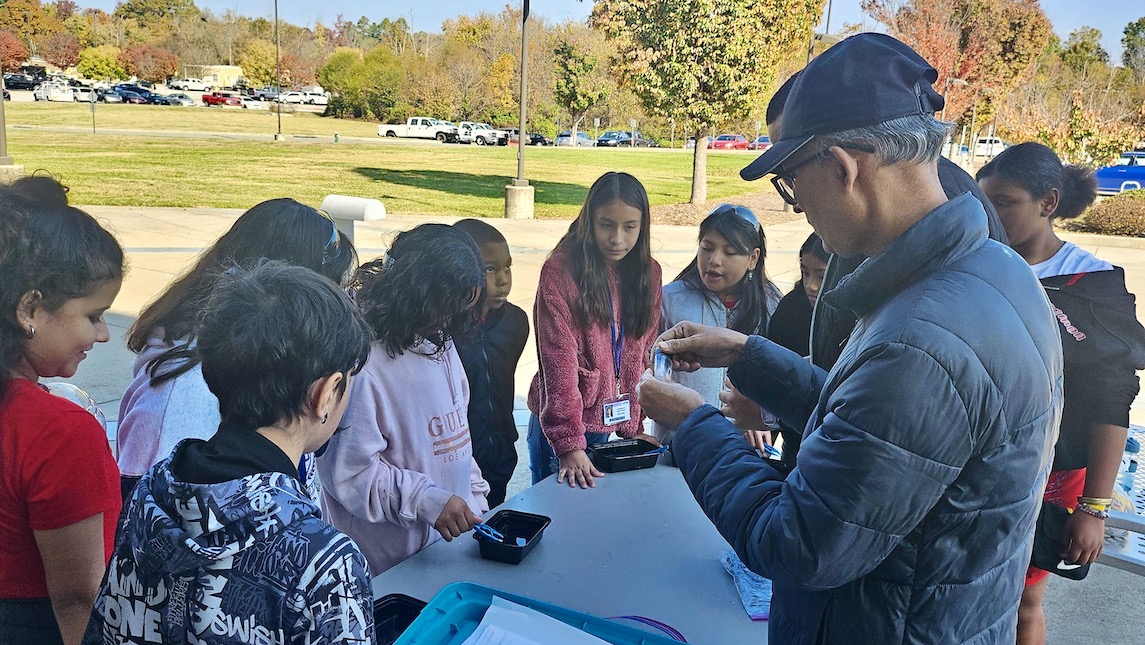
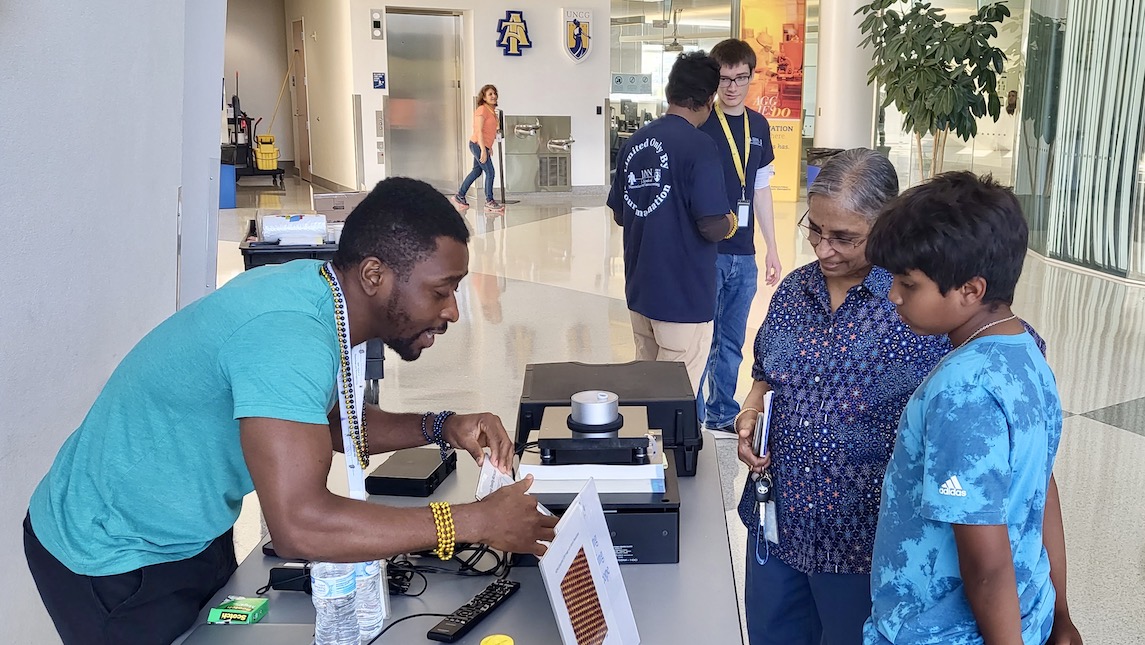
A table set up outside UNCG with children participating in a JSNN community outreach program activity.

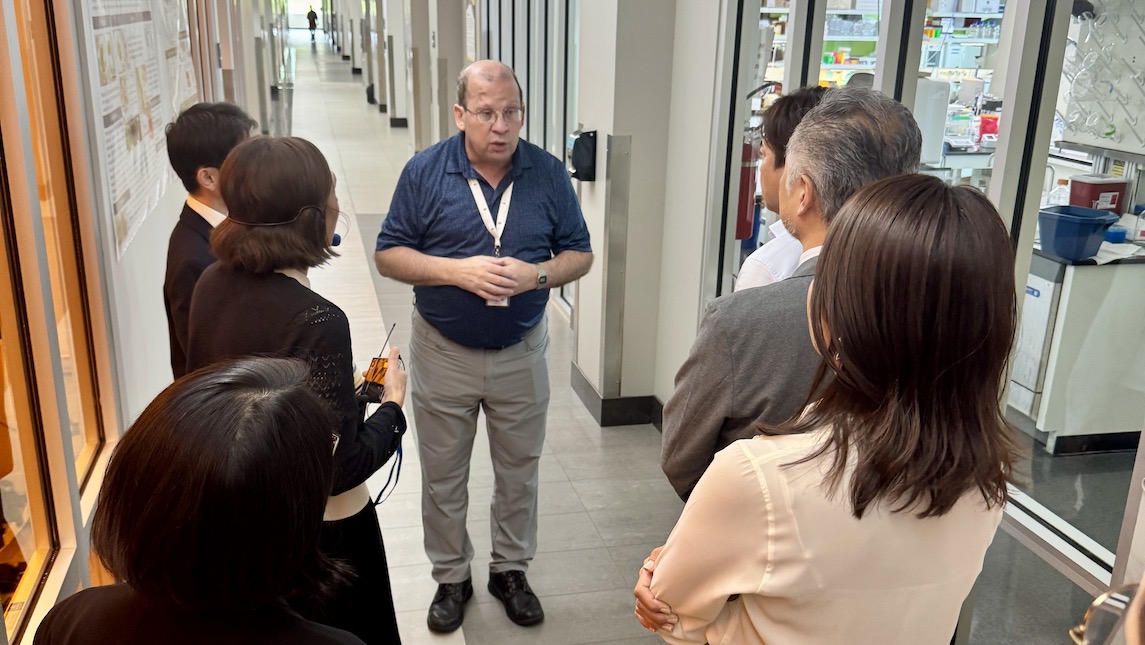
Community outreach at the Joint School of Nanoscience and Nanoengineering (JSNN), an academic unit shared by UNC Greensboro and N.C. A&T State University, goes beyond highlighting its advanced research facilities.  

Through STEM education programs, laboratory tours, and hands-on learning experiences, JSNN makes it easy for North Carolina students and community members to understand what nanoscience and nanoengineering research can offer.  

“The JSNN outreach program aims to inspire the next generation of scientists and engineers, strengthen community partnerships, advance STEM education, and expand JSNN’s impact,” says Dr. Nafisa Sirelkhatim, Senior Research Associate. 

This engagement makes science approachable, sparks innovation, and creates meaningful connections between researchers and the populations they serve — furthering UNCG’s intentional efforts to deliver STEM learning throughout the region.  

UNCG STEM Outreach Programs Connects Community to Nanoscience

Vice Chancellor for Research and Engagement Sherine Obare understands the value of investing in workforce development, especially as STEM and advanced manufacturing companies expand in the Triad.  

“Inspiring kids by giving them hands-on opportunities with science and introducing them to working scientists is the first step in a pipeline that goes from elementary and high school to college education to careers in STEM. Building and strengthening that pathway is one of the reasons UNCG exists,” says Obare.  

JSNN Associate Dean of Research and Graduate Education Daniel Rabinovich agrees. He explains that community outreach raises public awareness of how science, technology, engineering, and math (STEM) impact society at every level. 

“It’s about more than recruiting students for our graduate programs,” he says. “Scientific outreach contributes to technical literacy by explaining what scientists and engineers are doing to solve problems while giving the community a deeper appreciation for the value of STEM education and scientific research.” 

This spring and summer, JSNN outreach events welcomed groups of all ages — middle and high schoolers in the early stages of career exploration, undergrads, prospective graduate students, and community volunteers. A combination of lab tours, research demonstrations, and conversations with faculty encouraged diverse groups of visitors to redefine and explore their relationships with the hard sciences.  

Hands-On Nanoscience and STEM Learning Experiences at JSNN 

Whether visitors were stepping into a research laboratory for the very first time or actively considering careers in science and engineering, JSNN offers much more than a simple facility tour.  

Each outreach event is crafted to demystify STEM and make advanced scientific research more relevant and accessible to a variety of groups. Participants are encouraged to interact with innovative technology, ask questions, and explore how real researchers collaborate to solve problems.  

From future scientists to public policy influencers, JSNN visitors leave the laboratory with the message that curiosity drives innovation.  

Recent STEM Outreach Events at JSNN 

Recent outreach activities connected JSNN with people across North Carolina, including: 

  • Hayes-Taylor Memorial YMCA Program: Approximately 30 middle and high school students visited JSNN for laboratory tours, research demonstrations, and interactive activities led by faculty and graduate students. The visit introduced them to nanoscience research while encouraging them to explore future STEM opportunities. 
  • Bethany Community School: Twenty-one high schoolers toured the facility and learned how nanoscience and nanoengineering combine across scientific disciplines to address real-world challenges. 
  • UNCG SACNAS Chapter: Members of the Society for the Advancement of Chicanos/Hispanics and Native Americans in Science visited JSNN to explore graduate research opportunities and potential pathways into advanced STEM education. 
  • North Carolina Central University DREAM STEM Program: Students participating in NCCU’s DREAM STEM program, a project centered around science entrepreneurship, toured the research facility for a firsthand look at the school’s graduate programs and interdisciplinary research environment. 
  • Kiwanis Club of Greensboro: Volunteer education advocates explored JSNN’s laboratories, attended presentations on nanotechnology research, and interacted with graduate students demonstrating sophisticated electron microscopy equipment. 
  • ExPlorers Summer ProgramStudents in grades 10 through 12 engaged in a week-long immersive STEM initiative, encouraging critical thinking, hands-on learning and real-world problem-solving, with an emphasis on phosphorus sustainability.  

How JSNN Inspires Future Scientists, Engineers, and STEM Leaders 

For many visitors, meeting the students and researchers behind the science is just as impactful as seeing the technology itself. Graduate student Maggie Mahanes has participated in numerous outreach activities and believes those personal interactions fundamentally change how people view STEM.  

“Science can often seem intimidating,” she says. “Outreach events give people an opportunity to explore STEM in a fun way, helping them realize that science is something they can understand and enjoy.” 

These experiences don’t just benefit visitors. They also help graduate students develop valuable communication and leadership skills as they explain complex concepts to audiences with different backgrounds and levels of experience. 

“JSNN students who participate gain valuable experience engaging with community members,” Sirelkhatim says. 

As visitors leave with a greater appreciation for science, graduate students become stronger educators and ambassadors — furthering the mission of JSNN beyond the laboratory. 

Written by Jenna Hall, AMBCopy
Photos provided by Joint School of Nanoscience and Nanoengineering

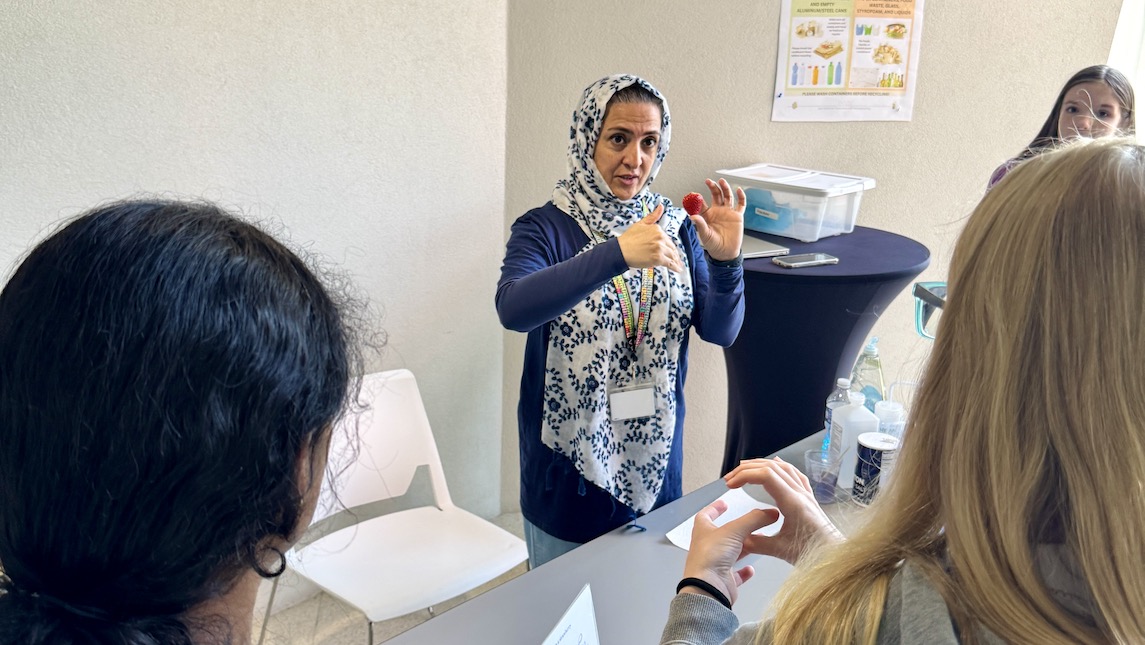
A JSNN professor speaking with a group of people during community outreach program.

Explore STEM.

Latest News

August 27, 2026

A Spartan’s Guide to September Fun at the G  

As the new school year gets underway, events like ranked soccer matchups, National College Colors Day, and NC Folk Fest offer studen...

August 27, 2026

Chancellor Gilliam Highlights UNCG’s Role Building Jobs, Research at State of Our Community Panel

At the event hosted by Greensboro Chamber of Commerce, Chancellor Gilliam emphasized intentional planning and collaboration between ...

August 26, 2026

What Are the August Blues? A UNCG Counseling Expert Explains

UNC Greensboro counseling expert Christian Chan explains the “August Blues,” including the stress, nostalgia, and “sunshine gu...

What's Trending

Connect with Us

Subscribe to our Top 5

Subscribe today to our Top 5 Weekly email

This field is for validation purposes and should be left unchanged.

Share Your Story

For the Media

Posted on August 11, 2026

UNCG Planetarium
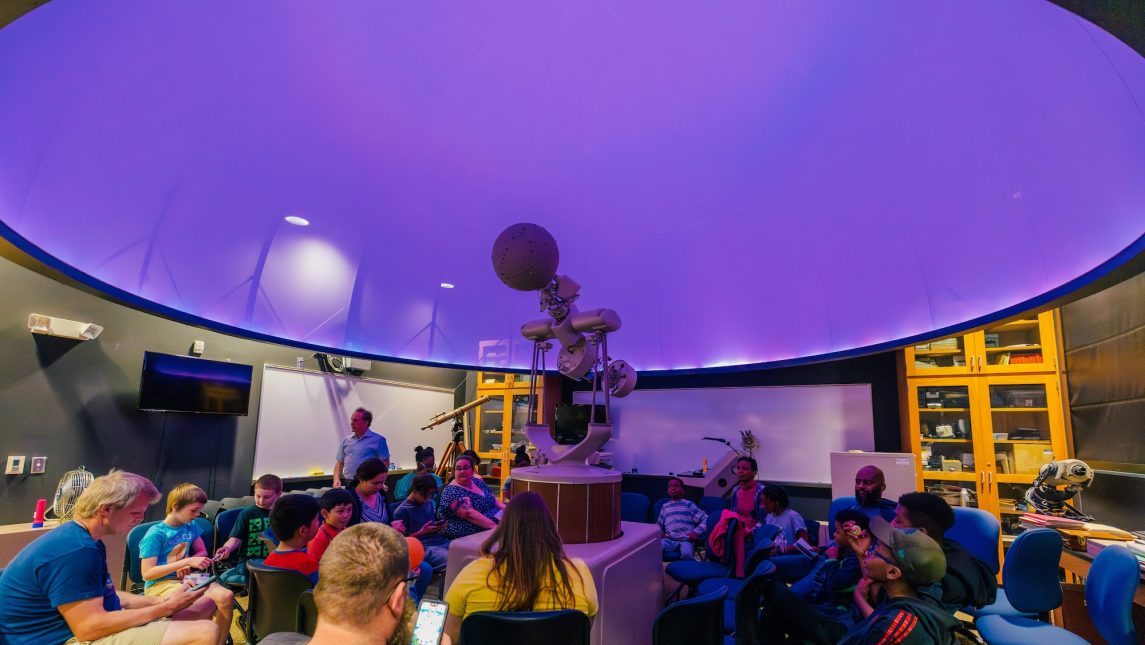
The UNCG Planetarium, on the third floor of Petty Science Building

Four cosmic events converge within 24 hours, giving one UNC Greensboro astrophysicist a chance to explain how they’re all connected.

A solar eclipse, a meteor shower, a new moon, and a parade of planets might seem like four random events. But according to Dr. Anatoly Miroshnichenko, director of the UNC Greensboro Planetarium and the Three College Observatory, they’re more connected than they appear.

On Aug. 12, all four will happen within roughly 24 hours of each other. It’s a convergence that astronomers don’t get to point out very often. What links them isn’t coincidence, but the orbital motions of the Earth, moon, planets, and other objects throughout the solar system.

The new moon is key to two of the week’s biggest celestial events, Miroshnichenko says. Its position between the Earth and the sun causes the solar eclipse, while the darker sky it creates makes the Perseid meteor shower easier to see.

Dr. Anatoly Miroshnichenko

“The Perseid meteor shower will be visually accessible in the evenings starting at about 11 p.m. and for a few more hours after that,” Miroshnichenko says. “You could expect to see up to several dozen meteors, but it’s unpredictable.”

No single place on Earth, including Greensboro, will get a perfect view of everything. Miroshnichenko notes the path of totality for the solar eclipse will pass across parts of Spain, Portugal, Greenland, and Iceland, but leave North Carolina with only a partial eclipse. As seen from Greensboro, up to 12% of the surface of the sun will be covered by the moon.

Luckily,& skywatchers here will still have plenty to look for: a pre-dawn lineup of six planets, a partial solar eclipse, and one of the year’s best meteor showers under a moonless sky.

The planetary alignment and the meteor shower are best viewed, Miroshnichenko says, from dark, rural areas free of light pollution from the cities. He adds that eye protection is a must for observing the solar eclipse.

The peak is Aug. 12, but Miroshnichenko says there’s no reason to stop watching after that. The Perseids will remain active for several nights, and the planetary alignment will remain visible for weeks. He hopes the unusual timing of the four events encourages more people to look up — and ask questions about what’s happening overhead.

Inside the UNCG Planetarium

The Spitz 512 projector at the UNCG Planetarium

Those questions don’t have to end when the sky grows cloudy or the celestial events pass. At the UNCG Planetarium, Miroshnichenko can recreate the night sky from anywhere in the Northern Hemisphere and at any point in time, giving visitors a chance to explore astronomical events that may be difficult — or impossible — to fully experience from Greensboro. Miroshnichenko brings his classes here regularly to demonstrate celestial phenomena; it is also open to the public about once a month, free of charge. 

“We’ll talk about what the sky is going to be like that night,” he says. “We’ll show them all of the things they could see in a really dark sky — darker than the Greensboro sky.”

The UNCG Planetarium came about when the remodeling of Petty Science Building was finished in 2009, and the Greensboro Science Center was refurbishing its own planetarium with a new digital projector.

Dr. Steve Danford, UNCG professor emeritus of physics and astronomy, says that after he made some inquiries, the Science Center agreed to donate its analog projector, a Spitz 512, as a gift to the University.

The UNCG Planetarium will next be open to the public on Saturday, Sept. 25 at 7:30 p.m. Reservations can be made at the Planetarium home page.

Story by Brian Clarey, University Communications
Photos by Sean Norona, University Communications ;

search the stars

Latest News

August 27, 2026

A Spartan’s Guide to September Fun at the G  

As the new school year gets underway, events like ranked soccer matchups, National College Colors Day, and NC Folk Fest offer studen...

August 27, 2026

Chancellor Gilliam Highlights UNCG’s Role Building Jobs, Research at State of Our Community Panel

At the event hosted by Greensboro Chamber of Commerce, Chancellor Gilliam emphasized intentional planning and collaboration between ...

August 26, 2026

What Are the August Blues? A UNCG Counseling Expert Explains

UNC Greensboro counseling expert Christian Chan explains the “August Blues,” including the stress, nostalgia, and “sunshine gu...

What's Trending

Connect with Us

Subscribe to our Top 5

Subscribe today to our Top 5 Weekly email

This field is for validation purposes and should be left unchanged.

Share Your Story

For the Media