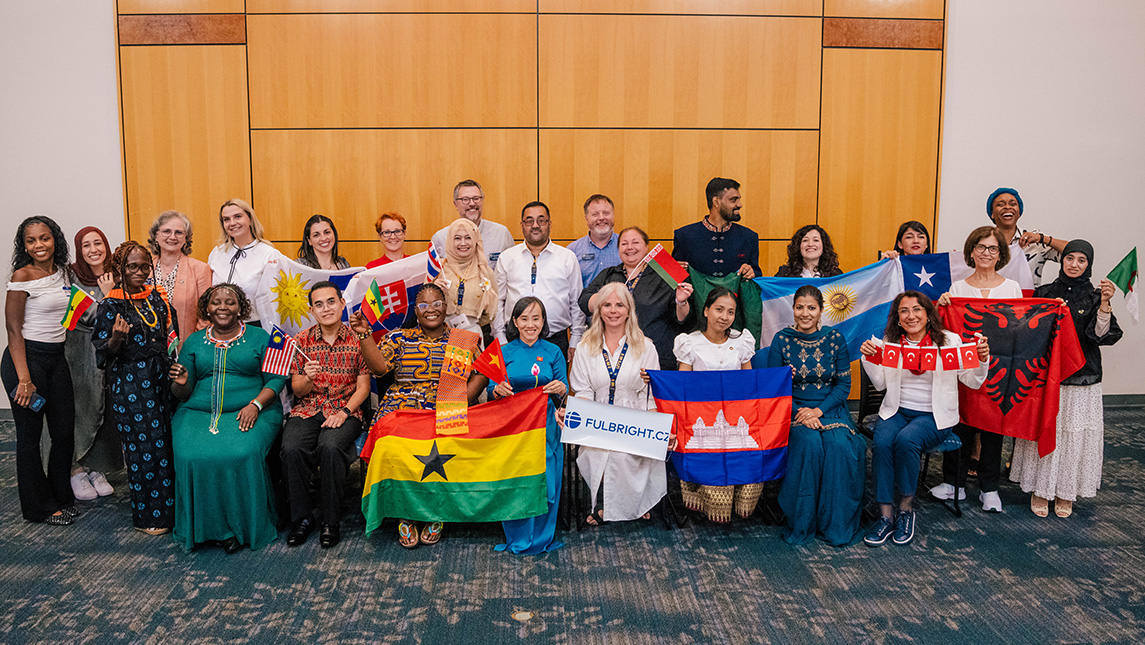
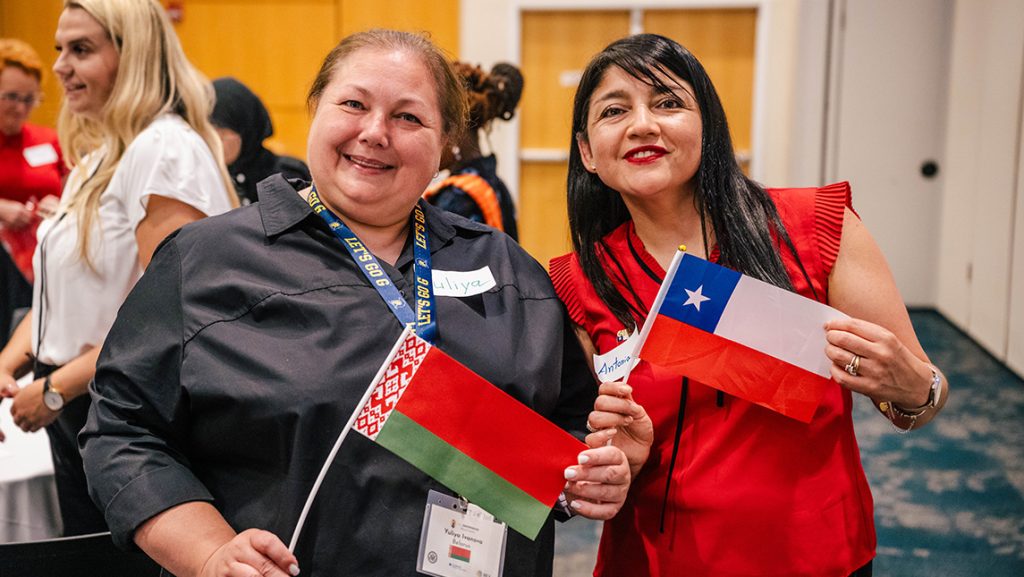
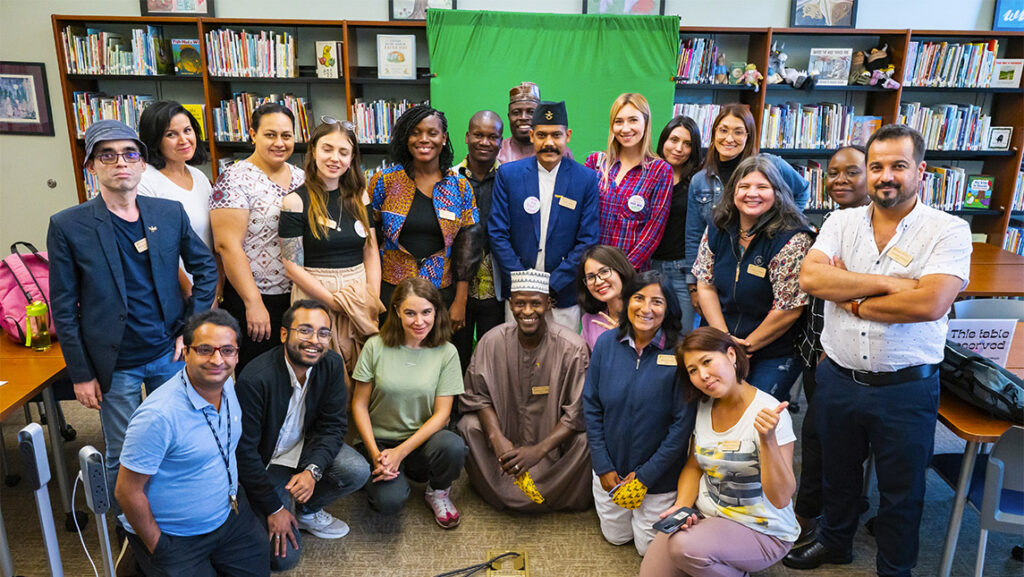
For five consecutive years, UNC Greensboro has brought the world to Greensboro classrooms while helping educators from around the globe expand their professional skills and networks. This year, UNCG was one of only three universities in the United States selected to host a six-week Fulbright Teaching Excellence and Achievement Program (Fulbright TEA) for 20 international educators.
Through Fulbright TEA, UNCG has hosted 103 secondary school educators representing 48 countries and territories across five cohorts. The program connects international teachers with UNCG faculty, Guilford County Schools (GCS) and the wider Greensboro community, creating opportunities for educational and cultural exchange that extend far beyond campus.
“The Fulbright TEA Program provides life-changing opportunities to the Fulbright Scholars, our faculty, and students on campus,” says Maria Anastasiou, associate provost for UNCG’s Global Engagement Office. “Hosting these teachers for the last five years has been our honor and privilege.”

Local Classrooms and Communities Gain International Perspective
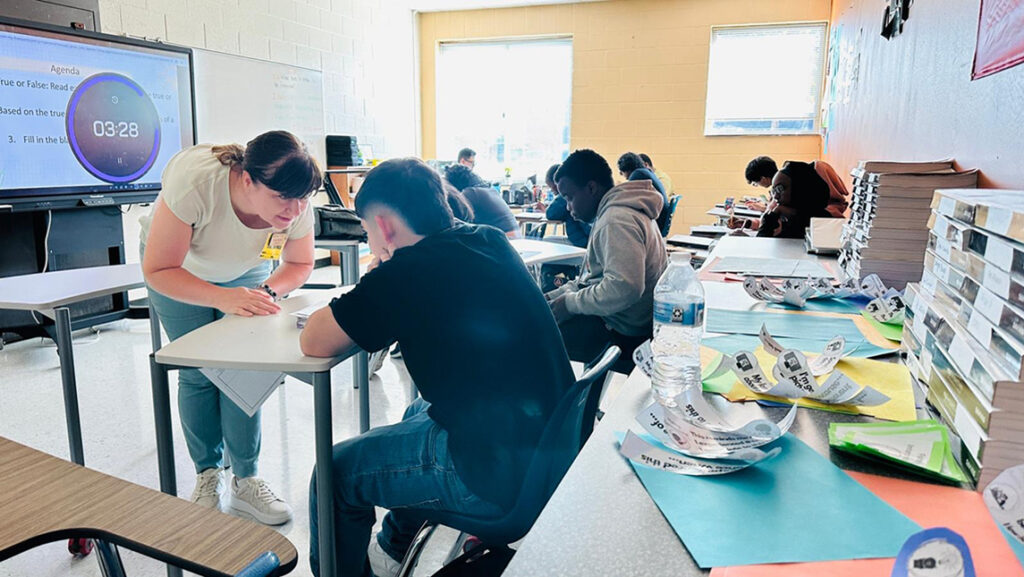
The program’s impact becomes especially tangible in local classrooms.
More than 30 GCS teachers have participated, forming relationships with visiting Fulbright educators and connecting local high school students and students overseas through virtual exchanges. More than 500 GCS students have had opportunities to learn about countries and cultures that may not otherwise be represented in their classrooms or communities.
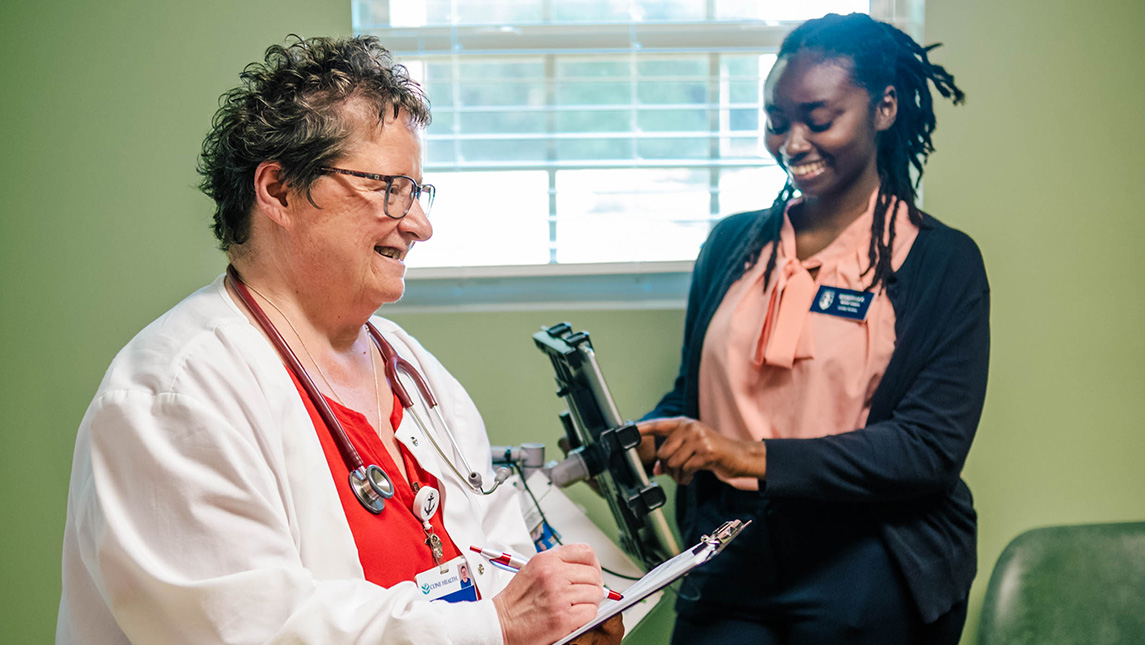
Visiting Fulbright TEA participants gain experience in U.S. classrooms, learn new teaching strategies, and exchange ideas about learning styles with local educators and students.
“The opportunity to be immersed in U.S. culture and to partner with a U.S. teacher in a classroom is an honor and privilege that all educators should seek,” says Keisha Russell-Graves, a 2023 TEA Fellow from Barbados. “The exchange of ideas and the ability to foster a deeper appreciation for cultural differences are a few reasons why being a part of this program was a necessity.”
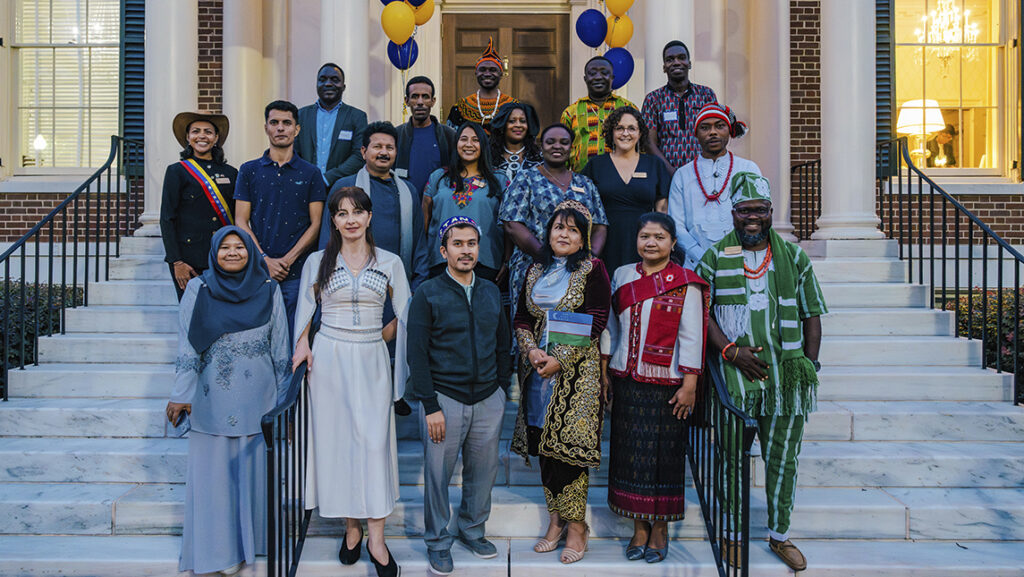
Visiting teachers have shared their cultures through classroom presentations, public talks, community events, and cultural exchanges. The result reflects the Fulbright program’s emphasis on mutual understanding while demonstrating how international education can have a meaningful local impact.
Fulbright TEA Expands Its Impact Across UNCG
The exchange reaches deep into UNCG as well. Nearly 102 faculty facilitators have engaged with the program over the years, spanning a broad range of academic and university areas. Beyond educational leadership, participants have learned from sessions with UNCG faculty from biology, chemistry, libraries, instructional technology, the Lloyd International Honors College, and UNCG’s School of Education Specialized Education Services.
“In my country, until about 10 years ago, students with disabilities were taught in separate schools,” says Irina Mutruc, a 2024 Fulbright TEA Fellow from Moldova. “Today, we have many challenges because the teachers are not prepared, and we must manage by ourselves. Here, we’ve been shown different approaches.”
A session with a UNCG professor introduced Mutruc to the benefits of inclusive classrooms designed to support students with a range of learning needs. “It’s a win-win,” she now believes. “Students with physical disabilities learn from their peers who help prepare them for adult life. At the same time, their classmates learn to be tolerant and helpful adults who are responsive to other people’s needs. It’s amazing how children can do that even easier than adults can.”
Five Years of the Fulbright Teaching Excellence and Achievement Program
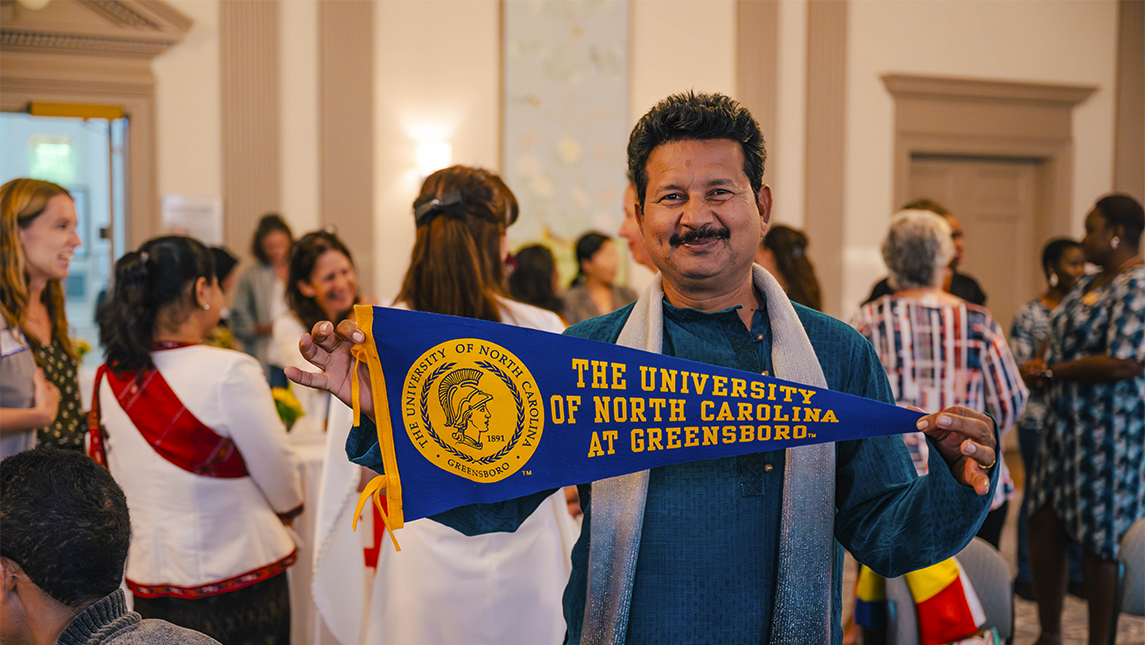
As members of this year’s Fulbright TEA cohort return to their schools and communities, they will carry innovative ideas, experiences, and relationships from Greensboro to classrooms around the world.
“My perspective on teaching has really changed. Teaching should be inclusive with regard to universal design learning that makes lessons accessible for all students,” says Frashakin Olusegun, a 2023 TEA Fellow from Nigeria. “Co-teaching is a strategy that should find popularity in my country. Technology-integrated learning may save time and stress as the application of the right tools in teaching can’t be overlooked.”
“Learning from my colleagues’ experiences around the world has underscored the importance of emphasizing global issues such as environmental awareness, empathy, effective communication, and global citizenship in my teaching,” says Estala Quintana, a former Fulbright TEA Fellow from Uruguay. “I believe these aspects are critical for my students’ development and their future lives.”
Story by Alice Manning Touchette
Photography by UNCG Photography
MEET INTERNATIONAL STUDENTS AND SCHOLARS AT UNCG