Thinspiration. Runway slender. Hungry chic. Skinny culture has come in many fads and phases through the years, culminating in what UNC Greensboro Professor of Psychology Janet Boseovski calls “a global health crisis.”
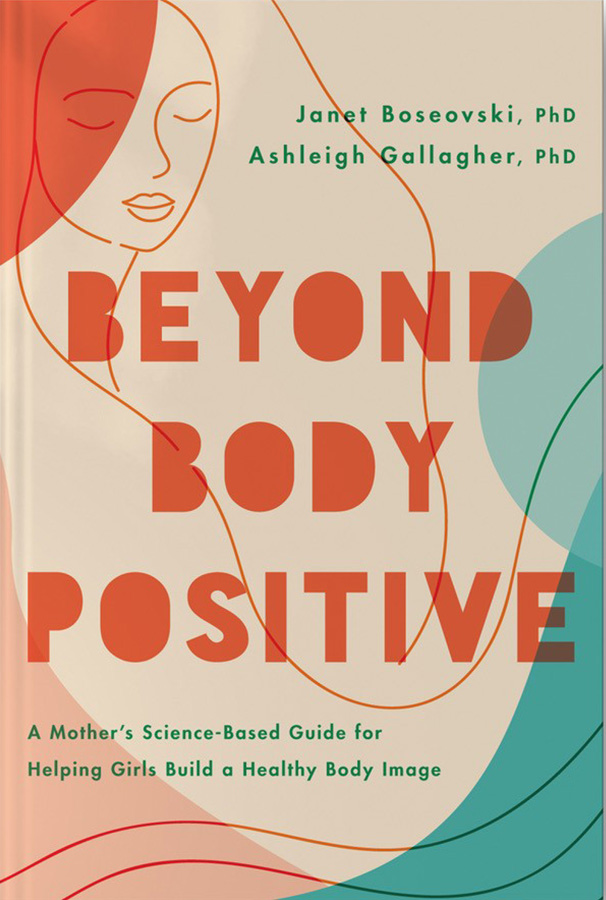
The co-author of “Beyond Body Positive” is determined in her efforts to educate the public about body-image development in young girls. Conducted with co-author, social psychologist Dr. Ashleigh Gallagher, Boseovski’s research efforts are devoted to unpacking the thin idea–the notion that a slender physique is the best physique–and educating everyone that body-image issues are not personal failings. They are cultural problems shaped by media, social expectations, and messages repeated across generations.
“There’s always a bone to pick with women’s bodies,” Dr. Boseovski says. “Body image researchers affirm that the way to stop it is to teach the next generation to reject these messages.”
How Diet Culture Keeps Reinventing Itself
Body-image pressures never disappear; they just evolve. Think about Twiggy in the 1970s, SlimFast in the 1980s, supermodels in the 1990s, and today’s social media influencers encouraging incessant chatter on celebrity bodies and GLP-1 use.
“In every decade the ideal body has changed. And that really means there is no ideal body,” Boseovski says.
In their blog on Psychology Today, Boseovski and Gallagher employ their expertise to expose these issues and shift the culture around body image for women and girls. The researchers bring awareness to mothers who may be unintentionally be fueling their daughters’ negative body images, warn about the harmful effects of social media, and offer ways men and fathers can help combat thin culture.
“The Psychology Today posts help unpack what the current hot thing is in the culture,” Boseovski says. “For example, there are a lot of posts on social media expressing anger at images of thin celebrities like Demi Moore and Ariana Grande. The question that I put back is, ‘What are you getting out of commenting on those things?’ By continuing to share those images, you’re making it worse.”
Boseovski explains that research teaches us that the more we all see those images, the more they are normalized for us. Her advice: Don’t engage.
“The best thing we can do is not perpetuate the media message that women’s bodies are something to work on,” she says.
What Parents can do
- Avoid criticizing their own bodies in front of children
- Talk with girls about media images and influencer culture
- Encourage nutrition and movement as care, not punishment
- Avoid sharing or commenting on thin-celebrity images
- Reinforce that a person’s worth is not tied to appearance
- Start these conversations early
Helping Girls Care for Their Bodies, Not Criticize Them
Boseovski is not just studying diet culture. She is helping girls, parents, and communities challenge it, starting with changing how young girls discuss body image in culture.
“There are so many things that you can do that are acting rather than reacting,” she says. “Women and girls should be taught to be agents rather than passively accepting what people are telling them.”
She emphasizes that early intervention and prevention are key to fostering healthy body images in young girls.
“Body image is part of your self-concept that starts developing in the preschool years,” she says. “Breaking the cycle means they need other women in their lives, especially their mothers, to stop self-criticizing and perpetuating punishing ideas of eating and exercise. We must promote caring for your body through nutrition and movement.”
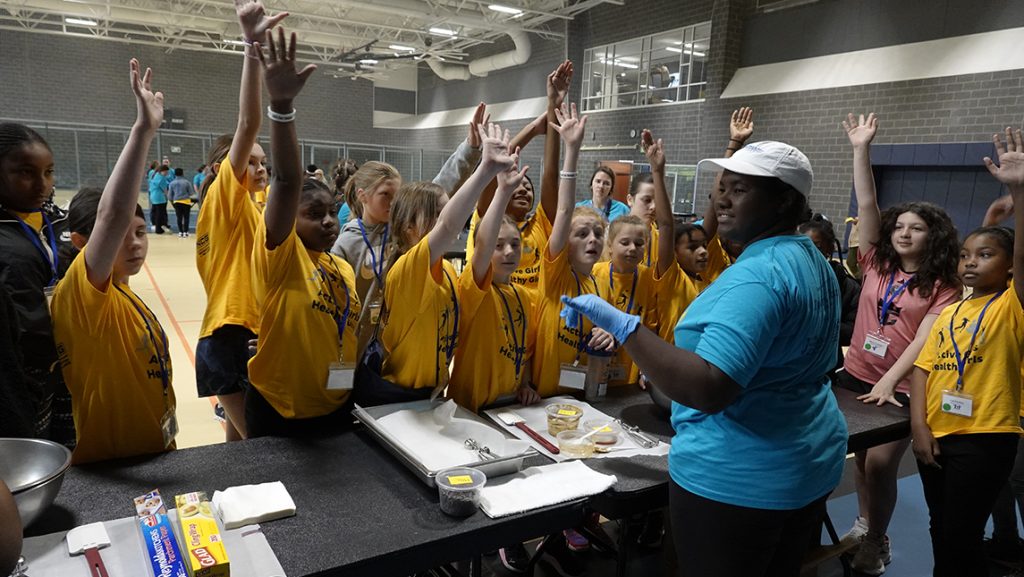
This spring she worked with UNCG’s Active Girls Healthy Girls (AGHG), a spring break camp that welcomed 80 local girls in 4th–6th grade at UNCG’s Center for Women’s Health and Wellness. The free, three-day camp kept the girls engaged through a wide variety of physical activity sessions that introduced them to new ways of moving, playing, and building confidence.
“AGHG is very much about fostering young girls through this culture,” Boseovski says. “We discussed with them awareness of the media from celebrities to kid influencers who profit from selling products. We’re teaching girls to become critical thinkers about what they see and hear.”


In addition, Boseovski and Gallagher presented a Women’s Table Talk to faculty, students, and staff as part of the Healthy UNCG initiative last spring. And this fall Boseovski is teaching “Body-Image Development in Childhood: Parent, Peer and Media Influence” in the Department of Psychology.
“The societal expectations and norms are a multidisciplinary problem that cuts across nutrition, sociology, and psychology,” she says.
Boseovski frequently speaks about the topic. She works with Greensboro community partner Arboro Empowered to talk with parents and has provided continuing education for mental health professionals through the North Carolina Psychological Association, among other outreach efforts.
“Our goal is to help people think critically about body image and reject the idea that their worth is tied to appearance,” Boseovski says. “Reject the shame. Enjoy your life without being consumed by body image preoccupations.”
Written by Alice Manning Touchette
Photography courtesy of Janet Boseovski