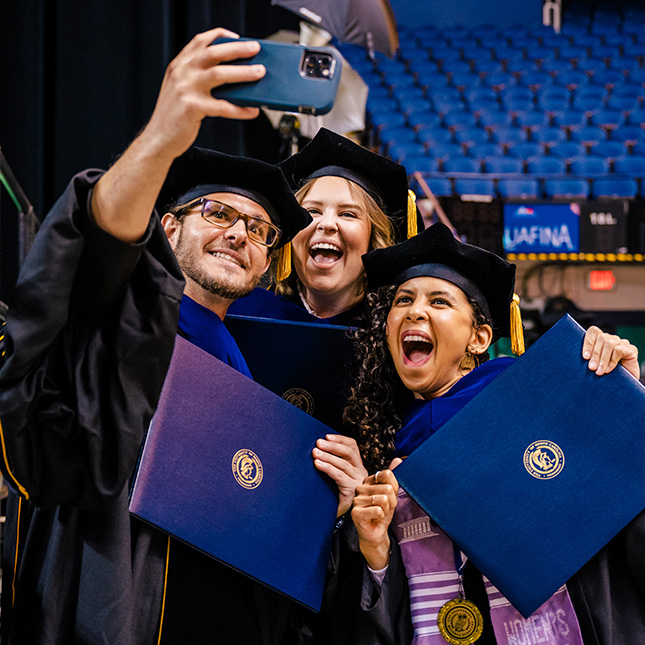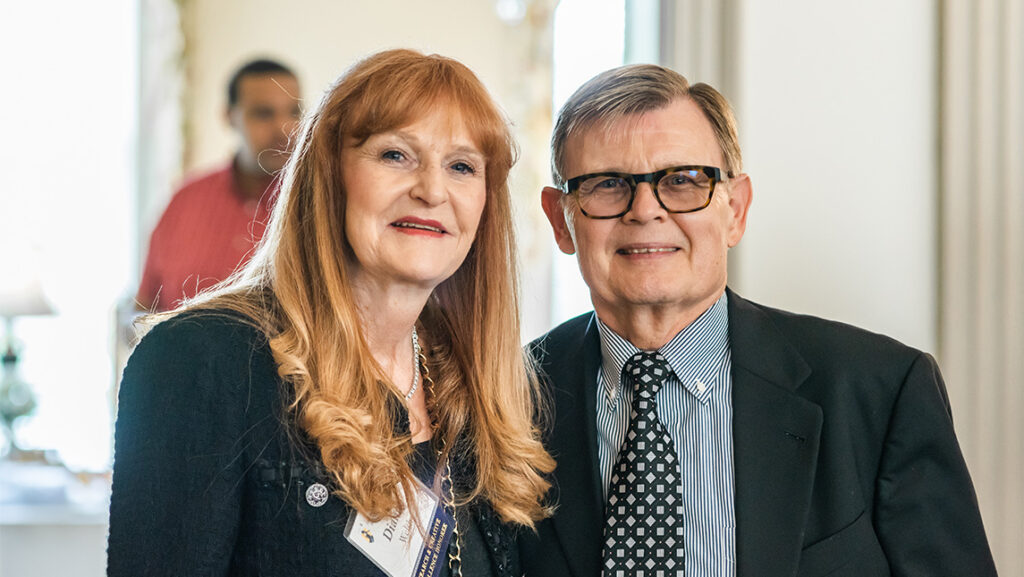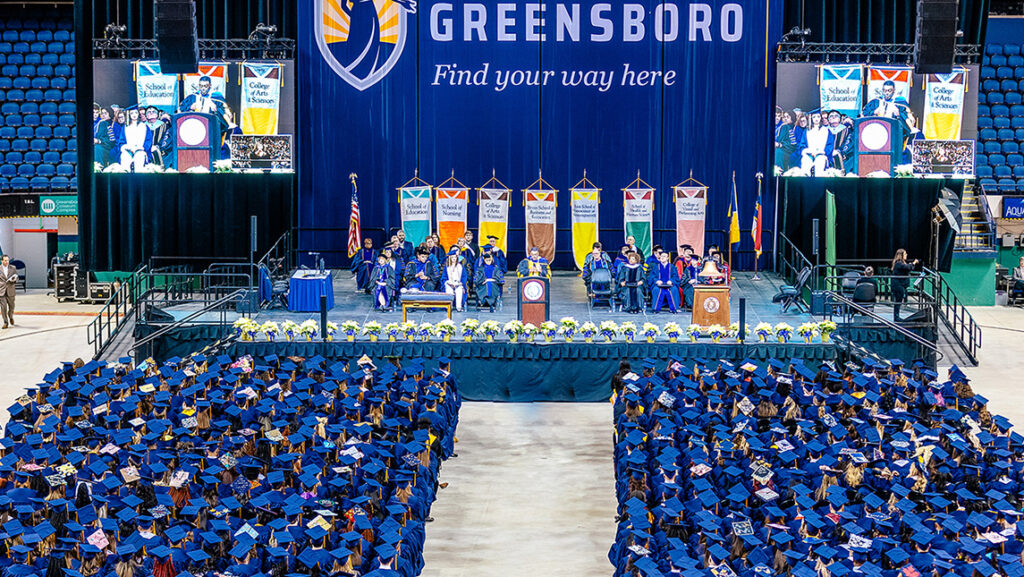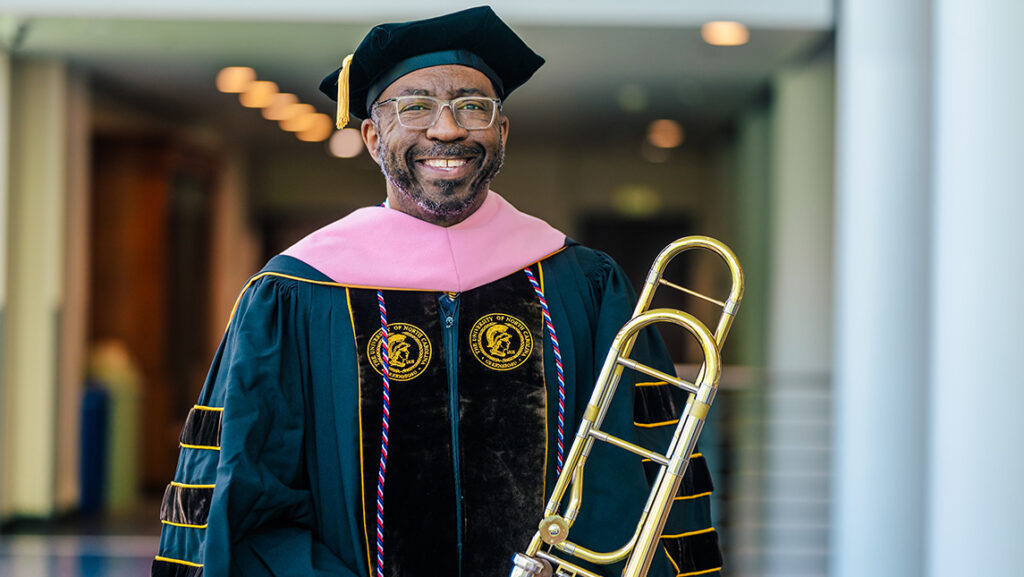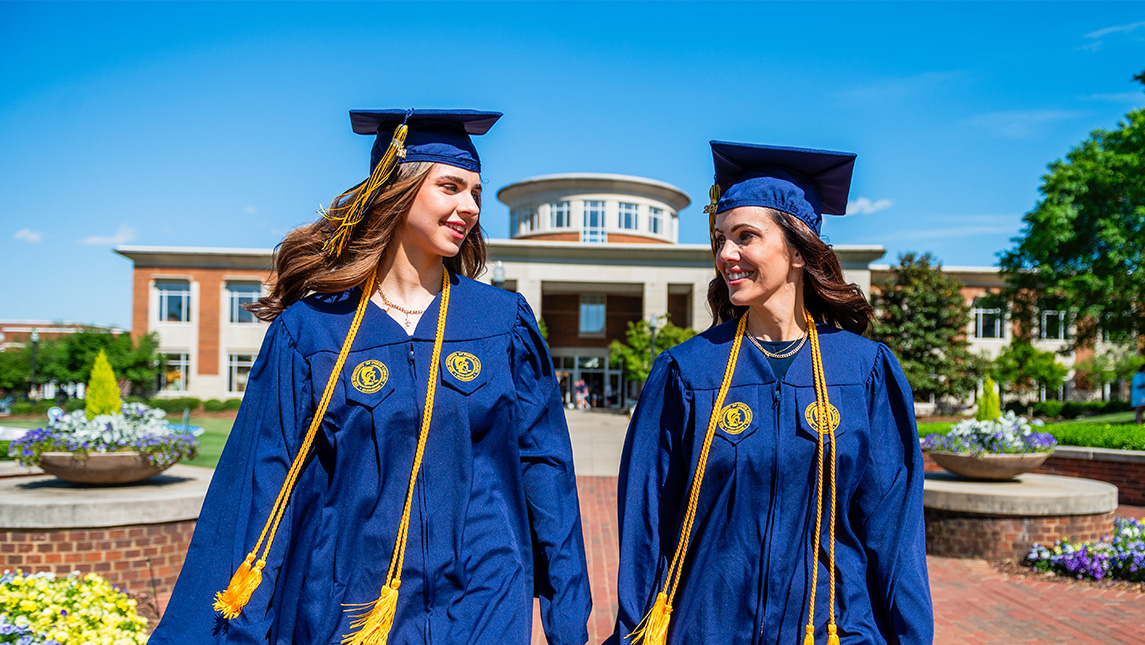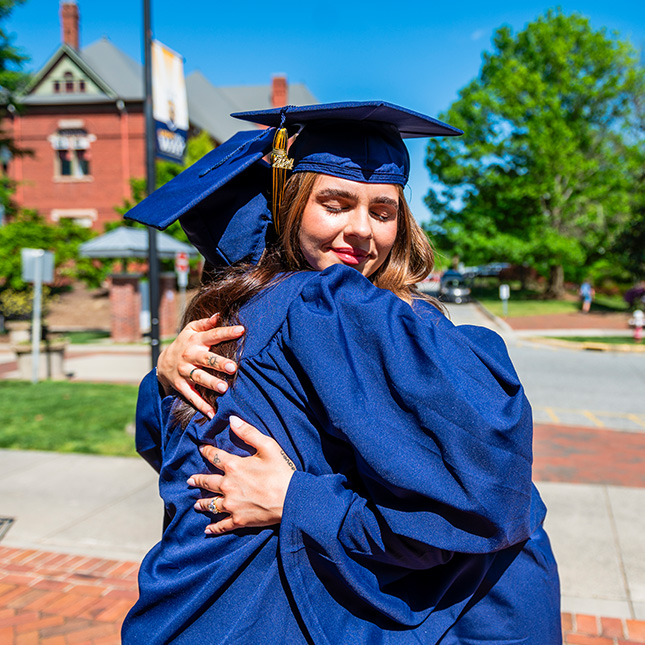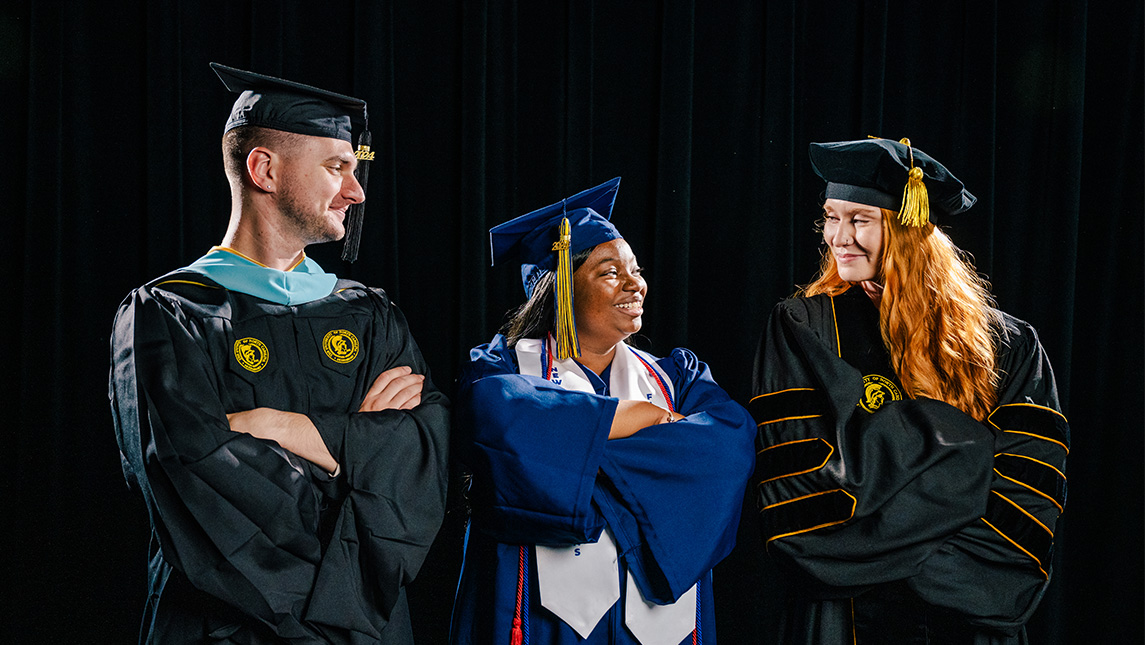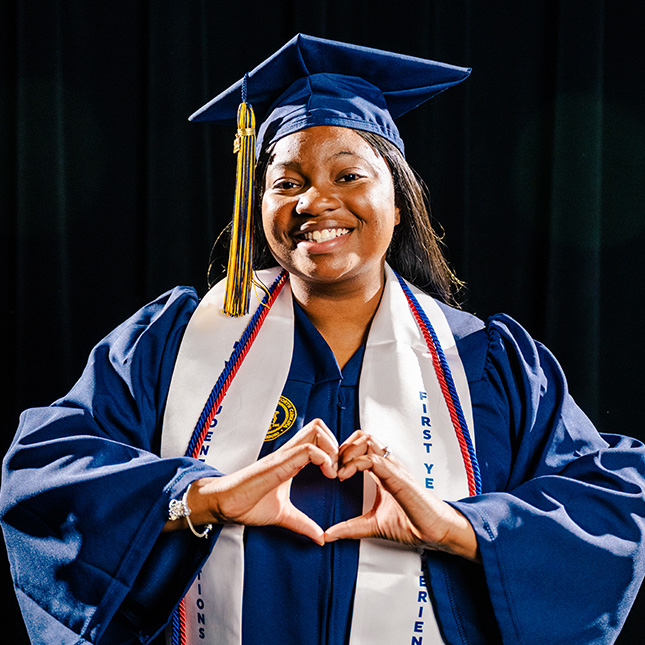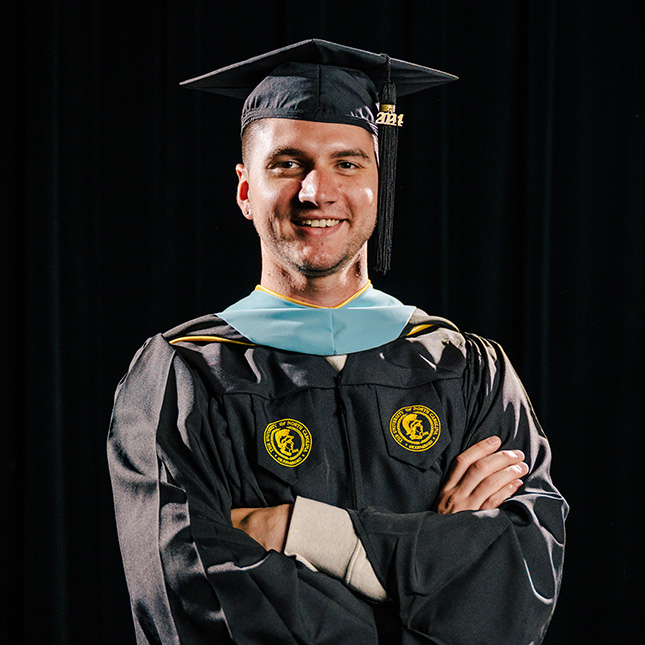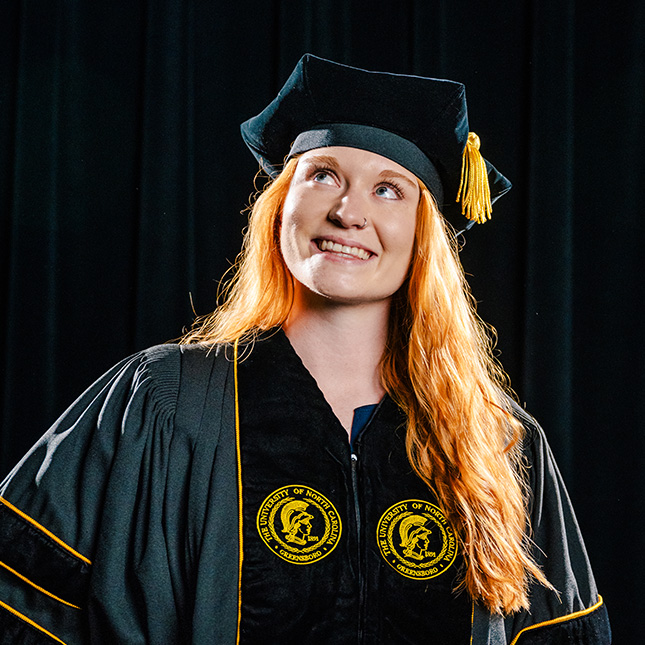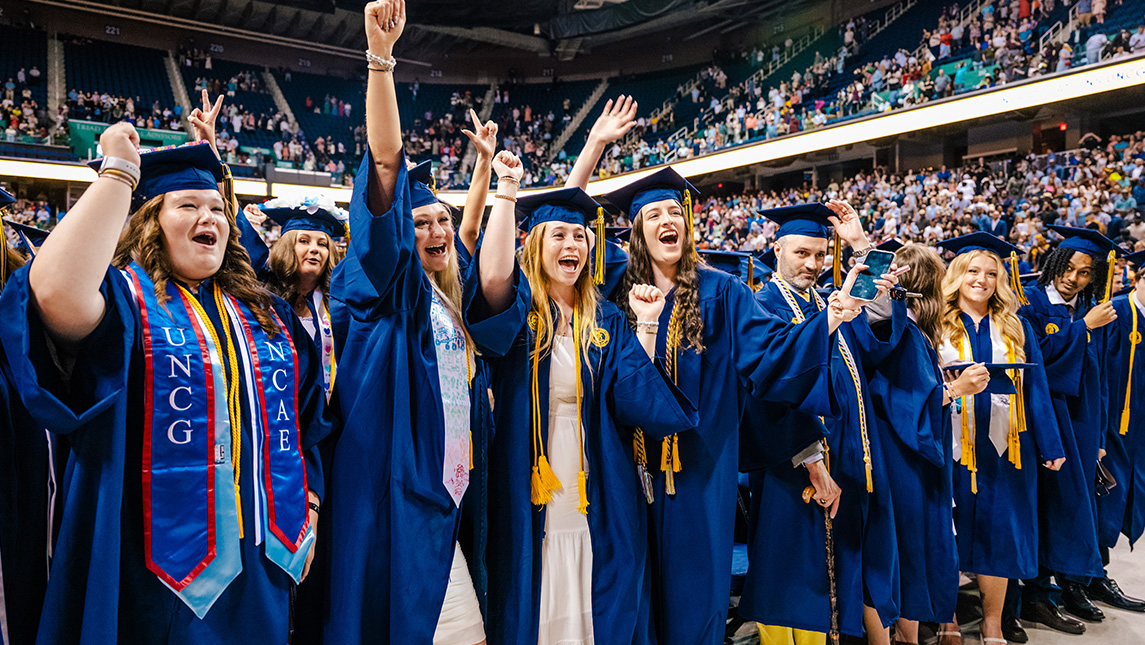
Cheers and tears of joy were shared among UNC Greensboro’s newest alumni, as their faculty and family members saw them complete their journey to the Spring 2024 Commencement ceremonies.
Embrace the transformation
When Abby Barley ’24 addressed her fellow graduates at the undergraduate ceremony, she reflected on everything it took to reach that moment – the commitments they made to themselves and to their friends and fellow students. She celebrated their hard work and how they rose above their anxiety or mistakes, embracing every instance as another step in a transformative experience.
“At our core, we are the same. With each interaction, we deepen our sense of self,” said Barley, shortly before earning her diploma for a bachelor of science in consumer, apparel, and retail studies from the Bryan School of Business and Economics. “The hardships we face along the way may feel relentless, but if we are a little happier, a bit healthier, and an ounce more authentic at the end of it, then we know it is the hardships that have allowed us to grow.”
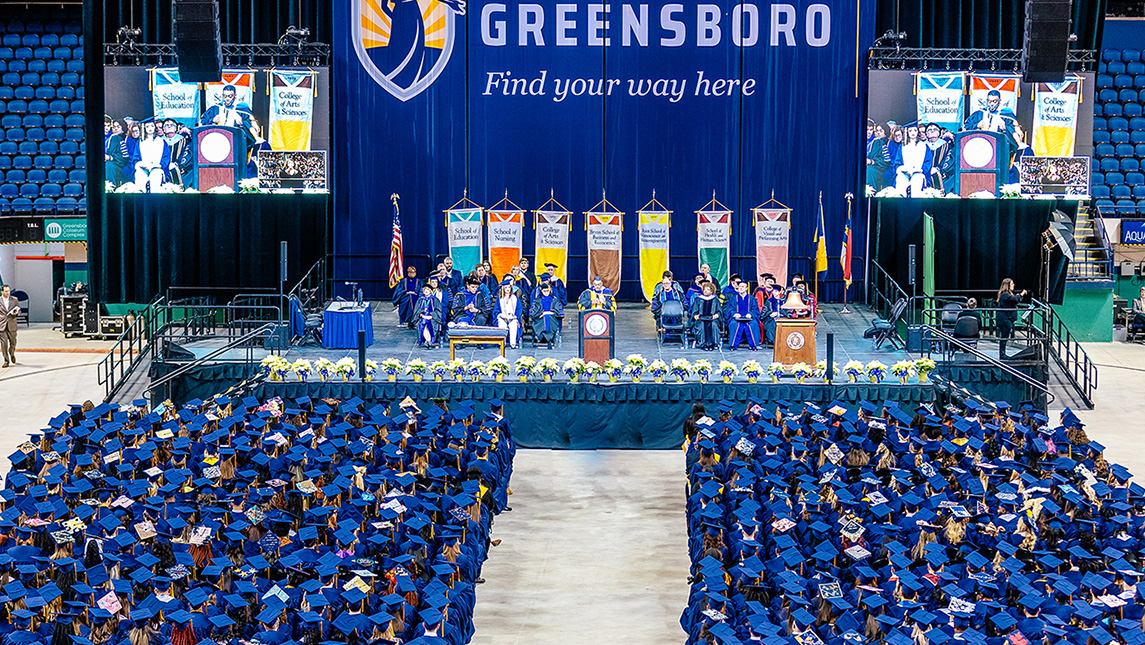
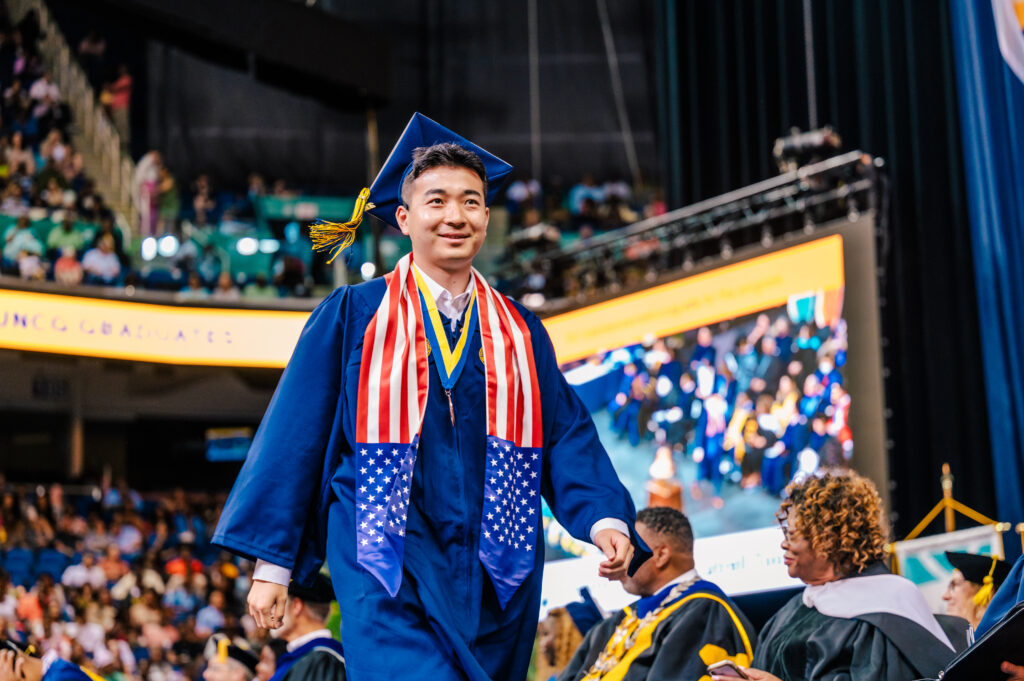
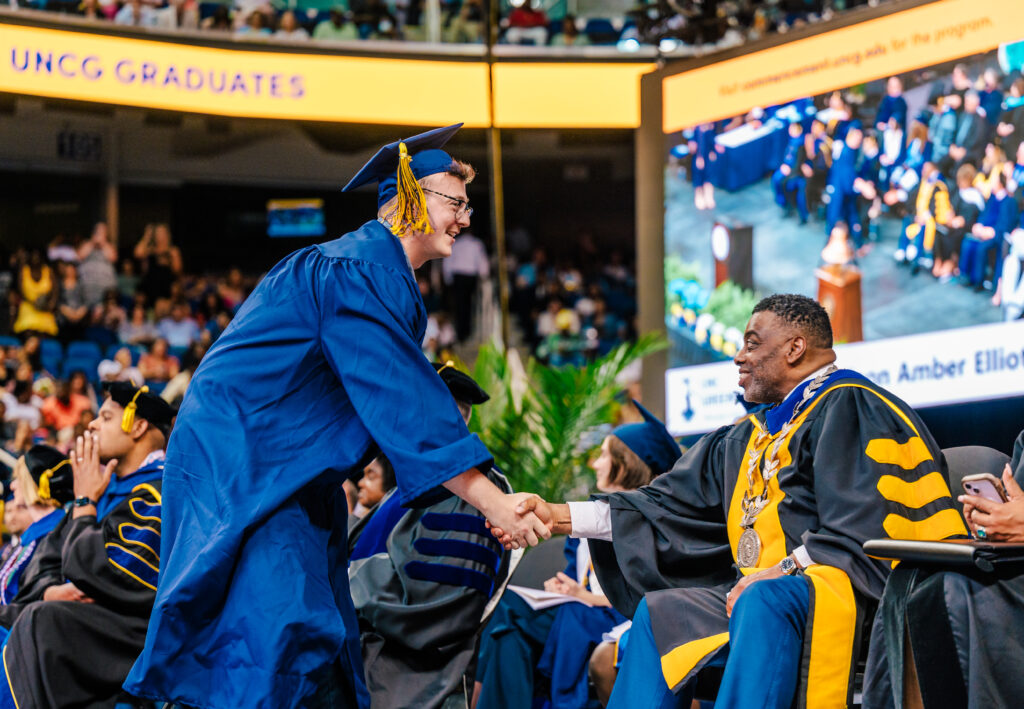
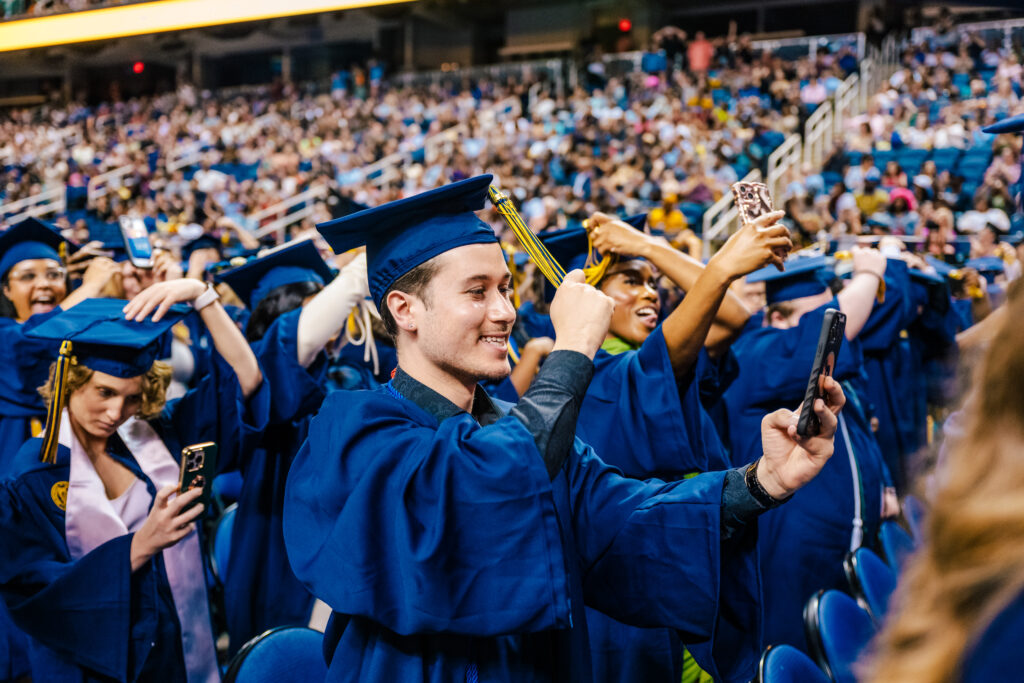
As the student speaker of UNCG’s undergraduate Commencement ceremony on May 3, Barley got to congratulate more than 2,000 Spartans getting their bachelor degrees, while their families and friends cheered from the stands of the Greensboro Coliseum.
“For many of us, college was the first opportunity for independence and separation. Leaving a hometown, living independently, or supporting oneself are a few stories of the multitudes we hear. It is an exciting, anxiety-inducing, and overwhelming journey.”


Change the world


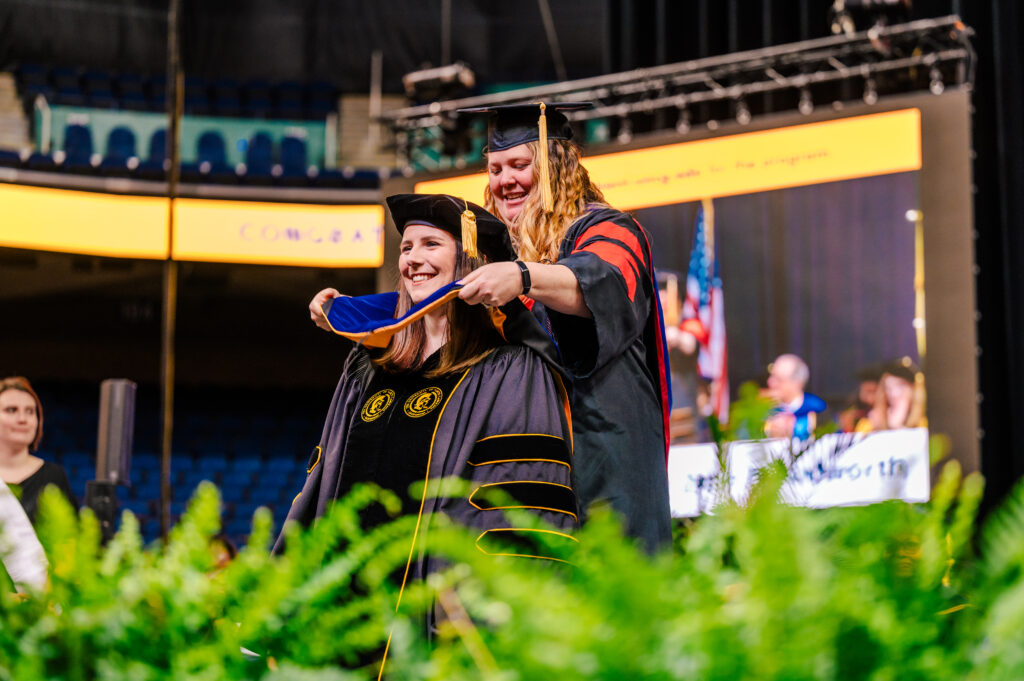
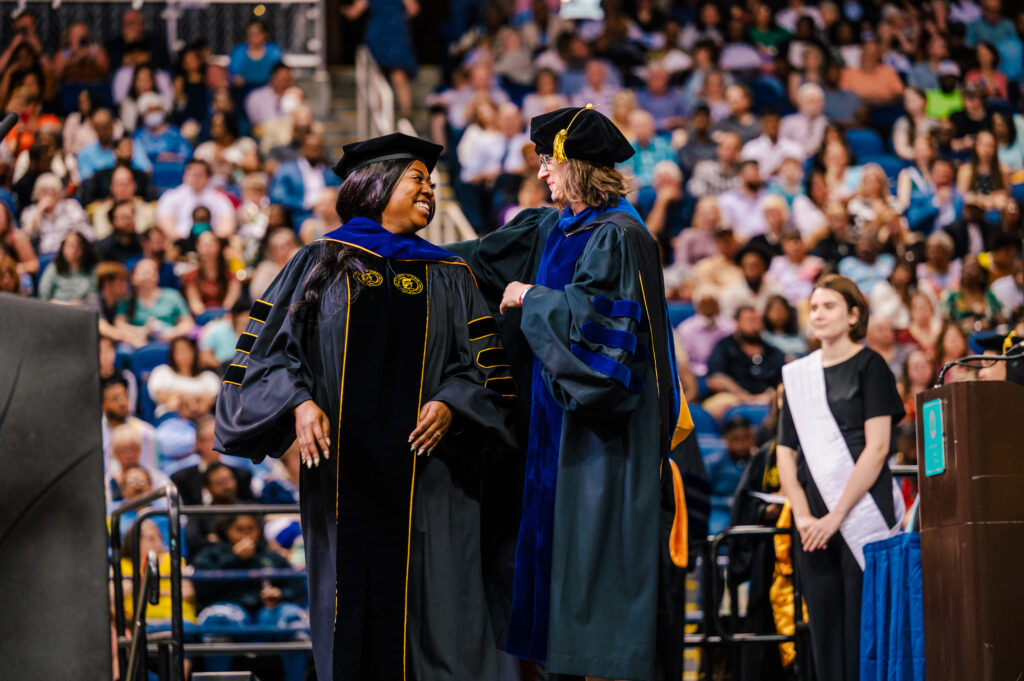
First to cross the stage as the UNCG Class of 2024, were 610 master and 104 doctoral candidates receiving hoods from their mentors in a ceremony on May 2.
Chancellor Franklin Gilliam addressed them proudly as “experts in a highly specialized field of study who have been empowered to make new discoveries and develop new knowledge in order to make a real-world impact.”
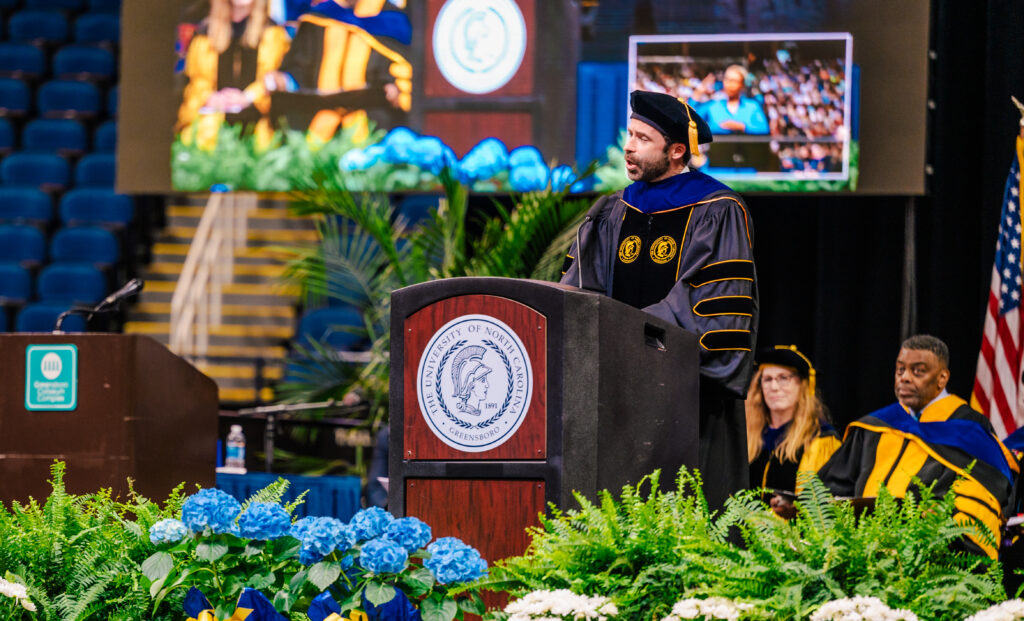
Nanoscientist, entrepreneur, and inventor Dr. Anthony Dellinger ’14 delivered the keynote address. Dellinger, who earned a PhD in nanoscience from the Joint School of Nanoscience and Nanoengineering introduced himself to the graduates as a “representative of a community that thrives on scholarship, innovation and dreams.”
“Harness your mind and unwavering determination to change the world,” he advised the master and doctoral candidates. “Be a polymath, be an innovator, be a thinker, be a leader, and be a catalyst for change.”
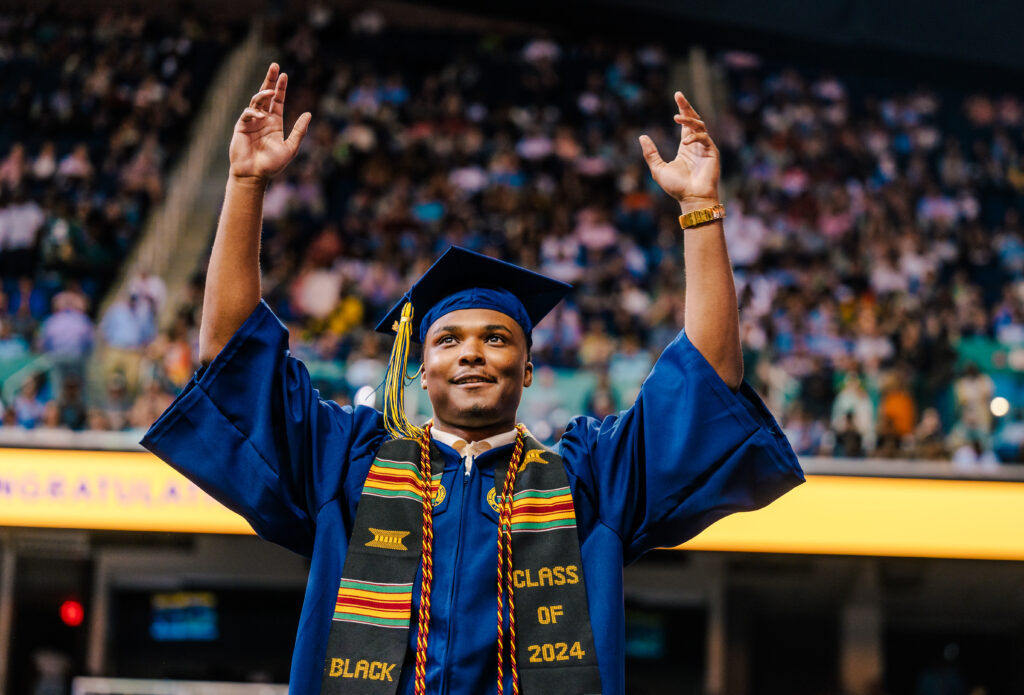
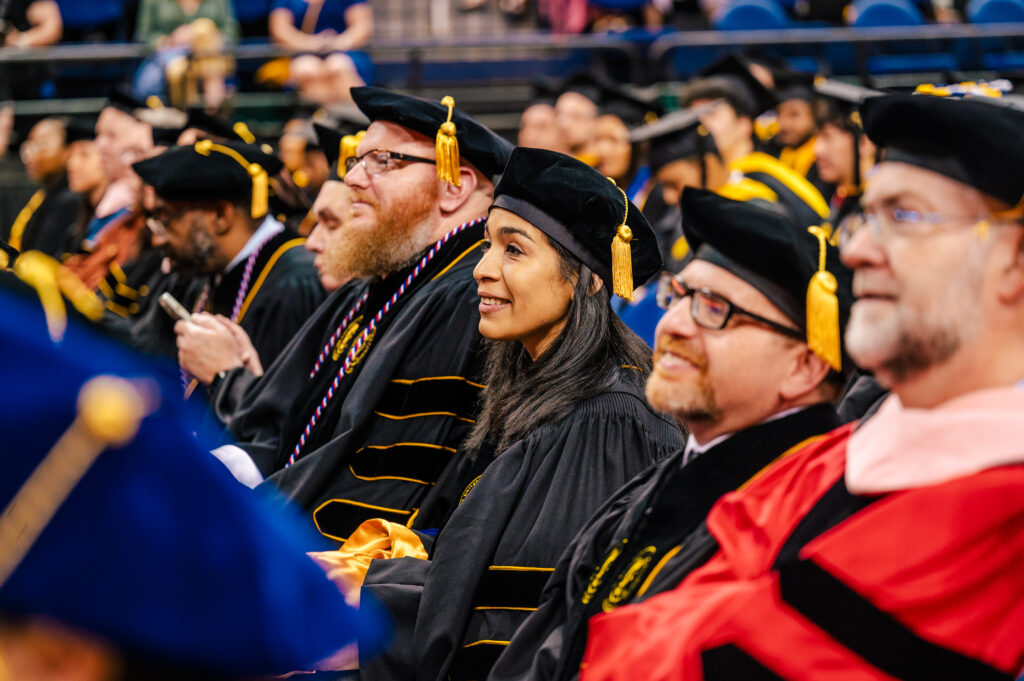
The nearly 2,900 graduates join the ranks of alumni, armed with new knowledge and a solid network of peers and educators read to help them on their next journey, whether that’s as the owner of a business, a nurse in the emergency room, or a teacher in the classroom.
Like Spartans who have gone before them, they’ve proved they have what it takes to fuel the future. In the meantime, Chancellor Gilliam urged them to live in the moment.
He said, “You’ve now demonstrated commitment, resilience, and transformative academic and personal growth. And you’ve become part of the Spartan family.”
Story by Janet Imrick and Becky Deakins, University Communications
Photography by Sean Norona, University Communications; and Bert VanderVeen, VanderVeen Photographers
Videography by Grant Evan Gilliard, David Lee Row, Jaysen Buterin, University Communications
Video editing by Grant Evan Gilliard, University Communications
Video written by Janet Imrick, University Communications
CELEBRATE OUR GRADS!
Graduates and their families are encouraged to share their accomplishments on social media by tagging the University accounts and using the hashtags #UNCGGrad and #UNCGWay. Visit UNCG’s digital swag page for graduation-themed graphics, filters, and templates.
Mention @UNCG in celebratory posts on Instagram and X and @uncgreensboro on TikTok.