A graduate research student and professsor in the lab at the Joint School of Nanoscience and Nanoengineering

Medical Science and Nanomedicine, P.B.C.

Nanoscience is the study of small things and advances in this field are making it possible to create innovations such as ultra-small senses, advanced drug delivery systems and novel materials. Nanoscience requires a broad knowledge in chemistry, biology, physics, materials science, and engineering. The post-baccalaureate certificate in Nanoscience program allows… Continue reading…


One student films another student sitting on a chair in Carmichael Studio.

Media Studies, B.A.

As a media studies major at UNCG, you will study a wide array of moving-image media, from film and television to all electronic media sources. Learn how to make media and develop the tools necessary to think more critically about what you see and hear in your daily life. Graduates… Continue reading…

A student intently listens as part of a classroom presentation.

NC TEACH Alternative Licensure, Middle Grades Math (6-9) Licensure Area

North Carolina Teachers of Excellence for All Children (NC TEACH) is designed to recruit, train, support, and retain mid-career professionals as they become licensed teachers in North Carolina. The Middle Grades Mathematics (6-9) certification area is designed to offer residency license teachers a foundation in Mathematics content and the method… Continue reading…

Two students collaborate in class

NC TEACH Alternative Licensure

North Carolina Teachers of Excellence for All Children (NC TEACH) is designed to recruit, train, support, and retain mid-career professionals as they become licensed teachers in North Carolina. nc teach licensure Program Distinctions The UNC Greensboro School of Education was named one of the 2022 “Top Graduate Schools of Education”… Continue reading…

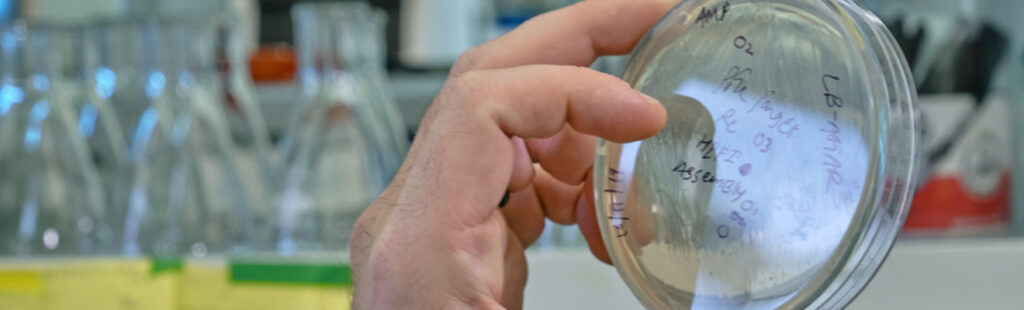
A professor examines a petri dish at the Joint School of Nanoscience and Nanoengineering.

Nanoscience, Ph.D. Synthetic Biology Concentration

The Ph.D. in Nanoscience is a minimum 49-credit degree program that has two concentrations—one in Materials Science and Nanomaterials, and the other in Synthetic Biology. Students earning a Ph.D. in Nanoscience will be expected to design, organize and manage multifaceted research programs or projects in the areas of nanotechnology and… Continue reading…

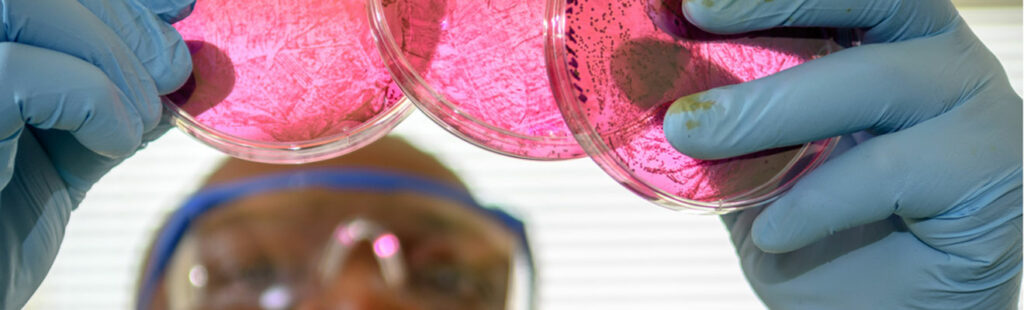
A male student in lab environment is examining some brightly colored petri dishes. He is wearing protective goggles and gloves

Nanoscience, Ph.D. Frontier Materials Concentration

The Ph.D. in Nanoscience is a minimum 49-credit degree program that has two concentrations—one in Frontier Materials Science, and the other in Synthetic Biology. Students earning a Ph.D. in Nanoscience will be expected to design, organize, and manage multifaceted research programs or projects in the areas of nanotechnology and nanoscience;… Continue reading…

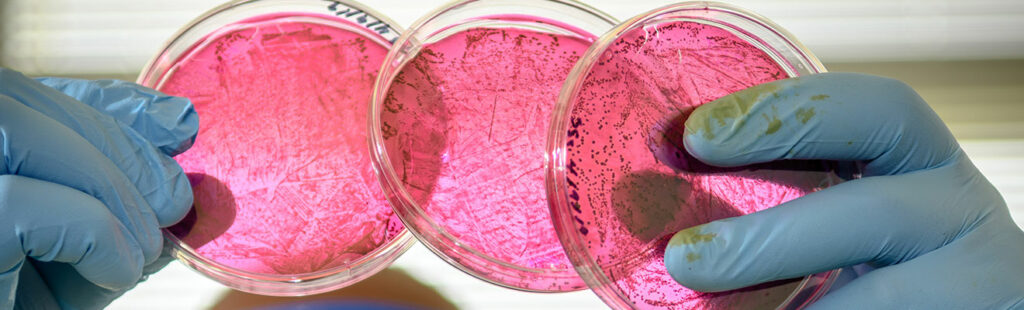
A male student in lab environment is examining some brightly colored petri dishes. He is wearing protective goggles and gloves.

Nanoscience, Ph.D.

The Ph.D. in Nanoscience is a minimum of 49-credit degree program that has two concentrations—one in Materials Science and Nanomaterials, and the other in Synthetic Biology. Students earning a Ph.D. in Nanoscience will be expected to design, organize and manage multifaceted research programs or projects in the areas of nanotechnology… Continue reading…